ServSafe Manager: Regulations and inspections Questions
The Food Code, health inspections, priority items, imminent health hazards and reporting duties.
38 questions in this topic. The quiz draws 20 at a time. Free, with no sign-up.
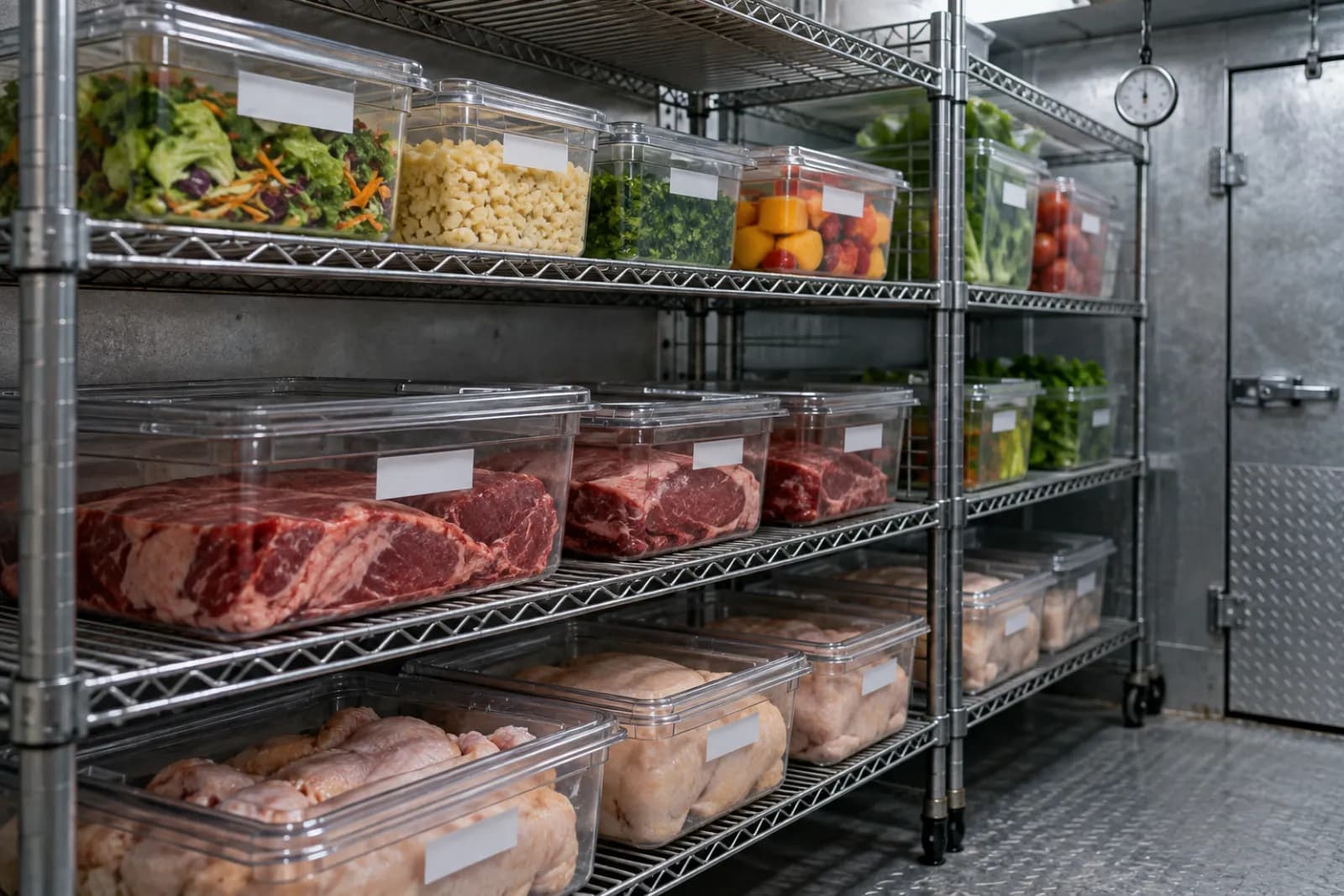
Regulations and inspections practice quiz
- 20 questions · 30 minutes · pass mark 70%
- Answers and explanations are shown at the end, with every question to review.
Key numbers
- Routine inspection: at least once every 6 months in most cases
- Priority item: fix at the inspection, or within 72 hours if the regulator agrees
- Priority foundation item: fix at the inspection, or within 10 calendar days if the regulator agrees
- Core item: fix within 90 calendar days, unless the regulator approves a longer written schedule
- Imminent health hazard: stop operations and notify the regulator right away
Source: FDA Food Code 2022, 8-401.10, 8-404.11, 8-405.11, 8-406.11
9 sample regulations and inspections questions and answers
9 of our 38 questions, with the answer and why.
1. A new owner has a tax registration and a food-safety course certificate but no food-establishment operating permit. Under the FDA model code, what is still needed before operation?
Answer: A valid permit to operate issued by the regulatory authority
- A) Only the tax registration because it identifies the business
- B) Only the course certificate because someone has received training
- C) A valid permit to operate issued by the regulatory authority (correct answer)
- D) Only a supplier account showing the business can buy food
Why: The model code requires the authority's operating permit rather than those other documents alone. Tax registration does not replace the required food-establishment operating permit.
Source: FDA Food Code 2026, 8-301.11
2. An operator is ready to begin building a new restaurant. Which step comes before construction under the model-code plan-review requirement?
Answer: Submit properly prepared plans and specifications for authority review and approval
- A) Complete construction and request review only after equipment is installed
- B) Open for a trial week before submitting the drawings
- C) Submit properly prepared plans and specifications for authority review and approval (correct answer)
- D) Send only a menu to the contractor and omit authority review
Why: The required submission and approval process precedes construction. Post-construction submission reverses the required order.
Source: FDA Food Code 2026, 8-201.11
3. During a preoperational visit, an inspector compares the installed kitchen with the approved drawings. Which model-code purpose does that comparison serve?
Answer: Verify construction and equipment conform to the approved plans
- A) Replace all future food-safety inspections
- B) Verify construction and equipment conform to the approved plans (correct answer)
- C) Approve any unreviewed change simply because it is already installed
- D) Confirm only that the dining-room colors match the owner's preferences
Why: Preoperational inspections include verifying the constructed and equipped establishment against approved plans. Preoperational verification does not end future inspection obligations.
Source: FDA Food Code 2026, 8-203.10
4. A limited emergency affects one operation, while another genuinely unaffected area can operate safely. What distinction does the FDA model code make?
Answer: The unaffected area need not discontinue solely because another area has the hazard
- A) Every room automatically qualifies as unaffected if its door is closed
- B) The hazardous area can continue if another area is safe
- C) The unaffected area need not discontinue solely because another area has the hazard (correct answer)
- D) Any area can reopen as soon as its floor looks dry
Why: The code expressly distinguishes areas unaffected by the imminent health hazard. A closed door alone does not establish that an area is unaffected.
Source: FDA Food Code 2026, 8-404.11
5. Who can grant a model-code variance after deciding the modification will not create a health hazard or nuisance?
Answer: The regulatory authority
- A) The regulatory authority (correct answer)
- B) The restaurant's equipment salesperson
- C) The person in charge acting without authority approval
- D) A trade association through a general recommendation
Why: The variance power and the no-hazard-or-nuisance determination belong to the regulatory authority. A salesperson does not have the stated variance authority.
Source: FDA Food Code 2026, 8-103.10
6. An operator wants to donate prepared food that has been safely stored, handled, packaged, displayed and labeled in compliance with applicable requirements. What does the Food Code donation provision allow?
Answer: The compliant food may be offered for donation
- A) Only food already considered unsafe may be donated
- B) The compliant food may be offered for donation (correct answer)
- C) Donation automatically removes storage and handling requirements
- D) Any returned guest food becomes acceptable if donation is free
Why: The provision permits donation when the food meets the relevant law and code conditions. Donation does not create an outlet for unsafe food.
Source: FDA Food Code 2022, 3-204.10
7. Which claim about the FDA model-code exception to certified-manager requirements is NOT correct?
Answer: An operator may waive the requirement simply by declaring the menu low risk
- A) The regulatory authority determines whether the stated minimal-risk exception applies
- B) An operator may waive the requirement simply by declaring the menu low risk (correct answer)
- C) The nature of the operation matters to the exception
- D) The extent of food preparation matters to the exception
Why: An operator's own low-risk description does not establish the certification exception. The regulatory authority makes the stated determination based on the operation and extent of food preparation.
Source: FDA Food Code 2022, 2-102.12
8. Which federal agency, rather than FDA, regulates meat, poultry and egg products?
Answer: The U.S. Department of Agriculture (USDA)
- A) The Centers for Disease Control and Prevention (CDC)
- B) The U.S. Department of Agriculture (USDA) (correct answer)
- C) The Environmental Protection Agency (EPA)
- D) The Occupational Safety and Health Administration (OSHA)
Why: FDA notes that meat, poultry and egg products are regulated by the U.S. Department of Agriculture, which is why FDA's allergen labeling law does not cover them. FDA regulates most other packaged foods.
Source: FDA: Food Allergies, Food Allergen Labeling
9. An inspector finds an imminent health hazard, such as a sewage backup in the kitchen. What can the regulatory authority do?
Answer: Suspend the permit right away and close the operation until the hazard is fixed
- A) Suspend the permit right away and close the operation until the hazard is fixed (correct answer)
- B) Only give a written warning and come back in 90 days
- C) Close the operation only after a formal hearing
- D) Issue a fine but let the kitchen keep operating
Why: When an imminent health hazard exists, the regulatory authority can suspend the permit immediately, without a prior warning or hearing. The operation stays closed until the authority approves reopening.
Source: FDA Food Code 2022, Annex 1, 8-904.10 Conditions Warranting Action
Keep practicing
Inspection rules finish the Manager topic list. Go back to the ServSafe Manager exam practice page to review any topic you missed.
Ready for a full paper? Try the free 90-question ServSafe practice test.
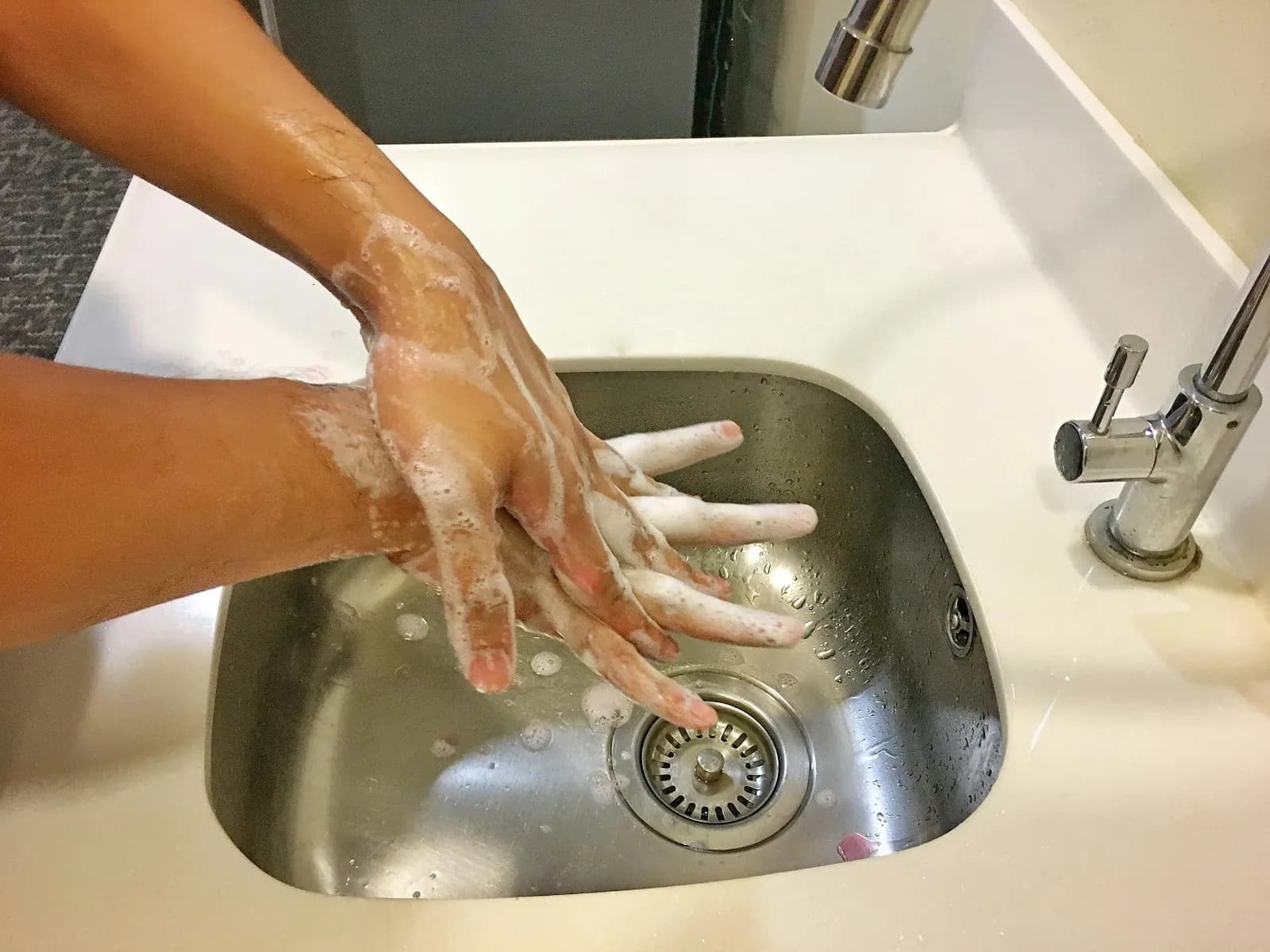
Handwashing, gloves, hair restraints, jewelry and when sick staff must stay away from food.
48 questions in the pool, free
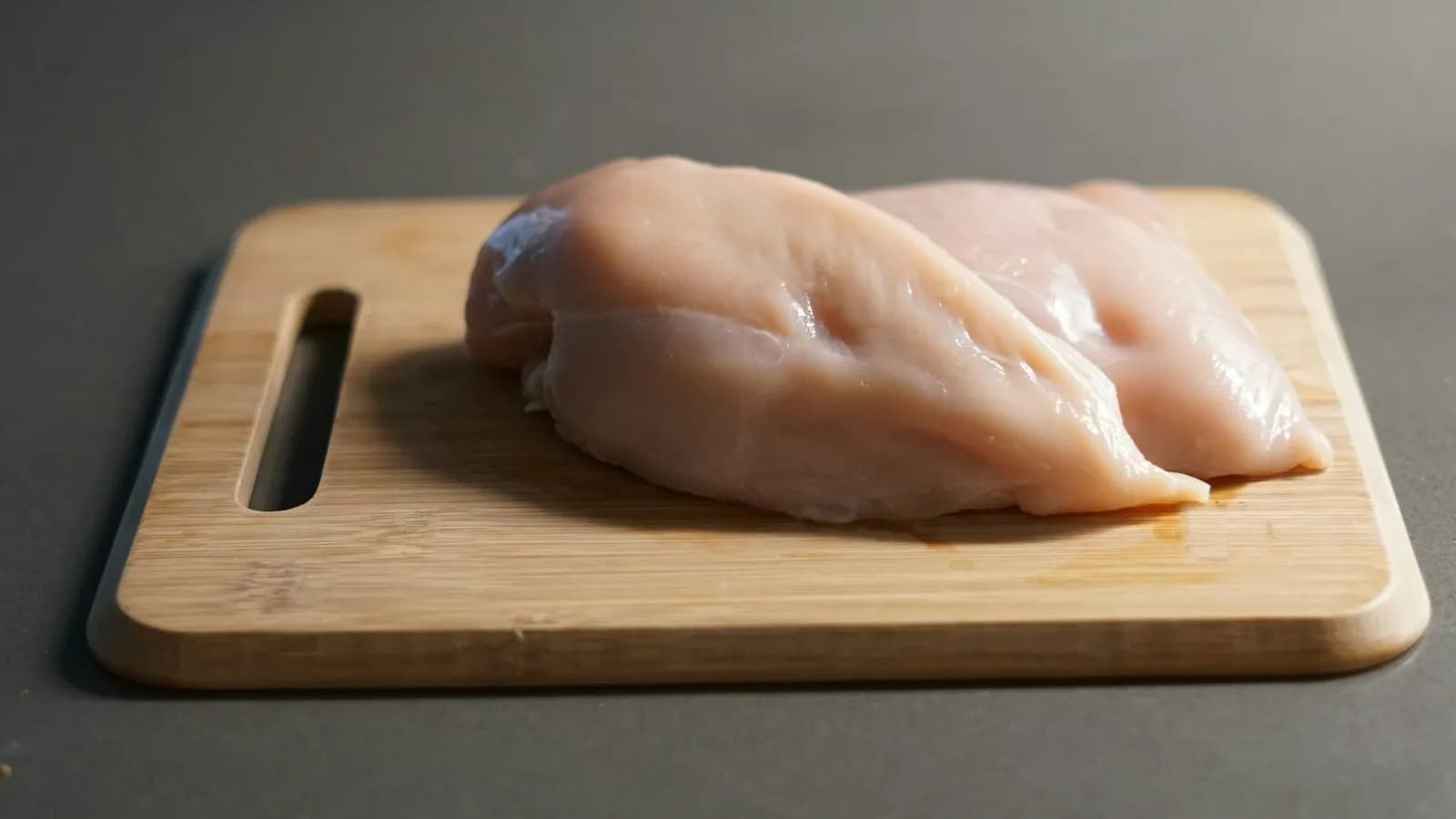
The germs behind foodborne illness, their symptoms, the foods they travel in and who is most at risk.
82 questions in the pool, free
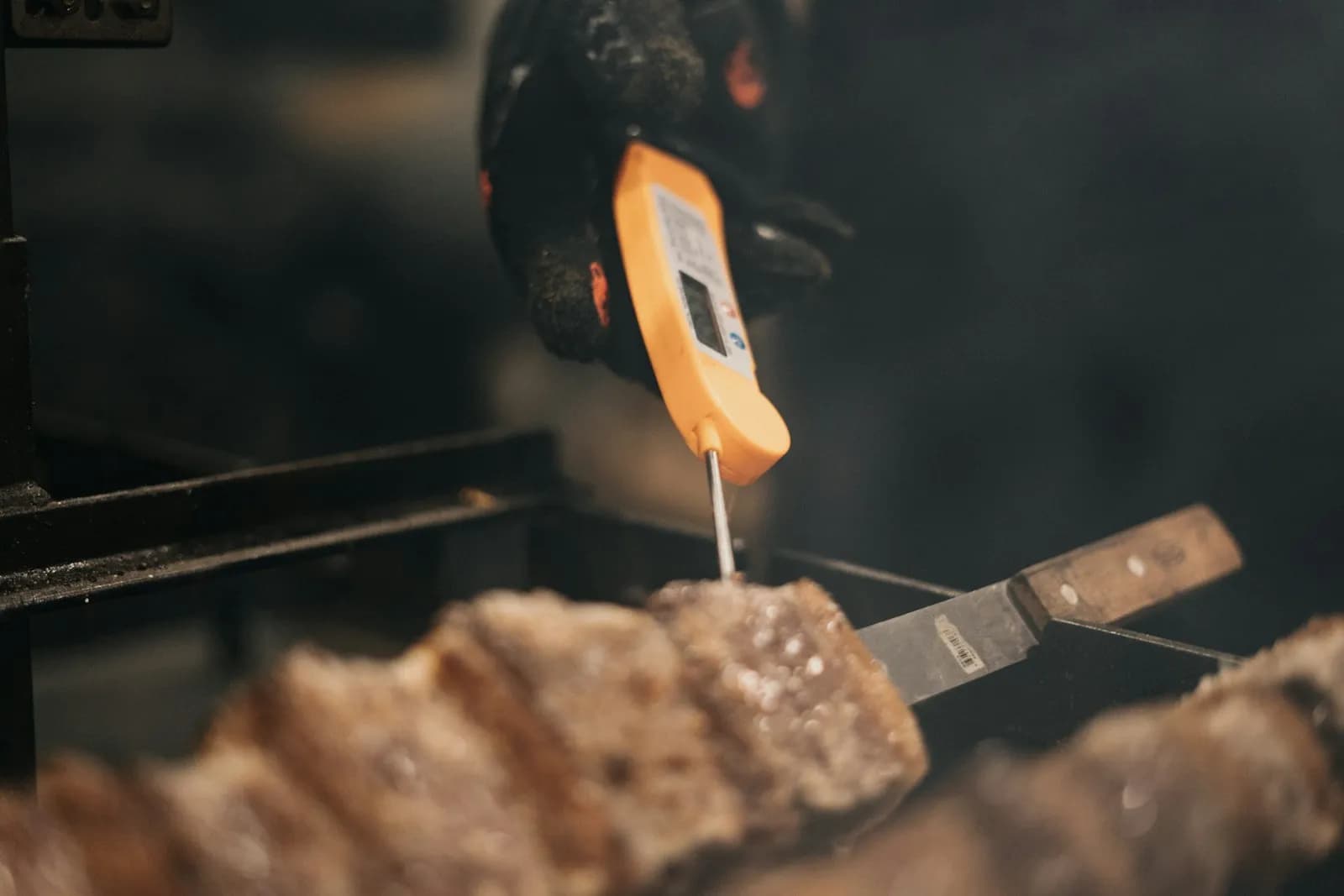
Minimum internal temperatures and hold times for meat, poultry, seafood and eggs.
41 questions in the pool, free