ServSafe Manager: Personal hygiene Questions
Handwashing, gloves, hair restraints, jewelry and when sick staff must stay away from food.
48 questions in this topic. The quiz draws 20 at a time. Free, with no sign-up.
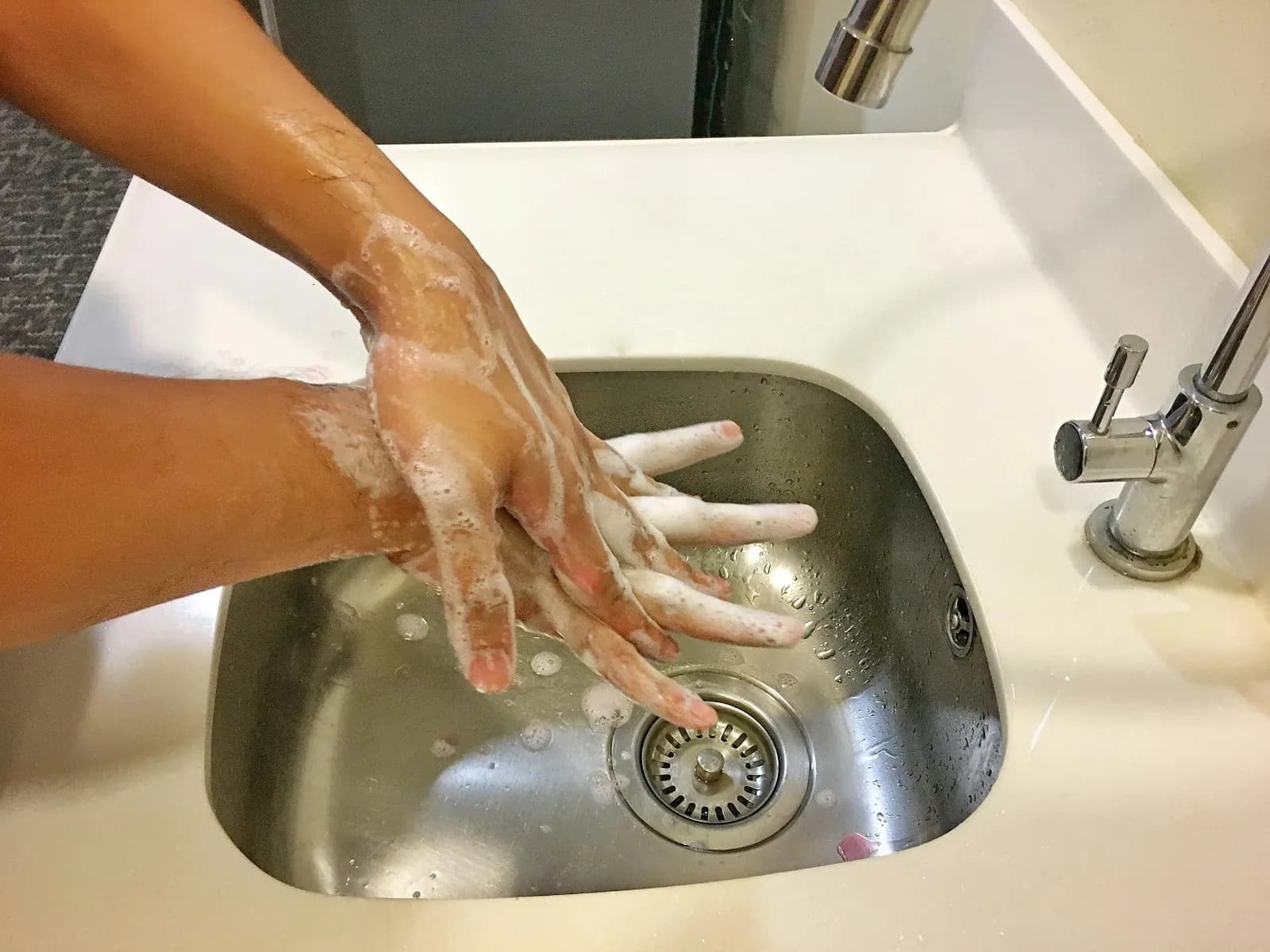
Personal hygiene practice quiz
- 20 questions · 30 minutes · pass mark 70%
- Answers and explanations are shown at the end, with every question to review.
Key numbers
- Handwashing: at least 20 seconds in all
- Scrubbing with soap: at least 10 to 15 seconds
- Handwashing sink water: at least 85°F
- Jewelry on hands and arms while preparing food: a plain ring only
- Single-use gloves: one task, then discard if damaged, soiled or interrupted
Source: FDA Food Code 2022, 2-301.12, 2-303.11, 3-304.15, 5-202.12
10 sample personal hygiene questions and answers
10 of our 48 questions, with the answer and why.
1. A handwashing training card separates total wash time from scrubbing time. What minimum total procedure should it show?
Answer: At least 20 seconds
- A) At least 20 seconds (correct answer)
- B) At least 10 seconds
- C) At least 5 seconds
- D) Stop when the visible soil is gone, without timing the wash
Why: The entire hand-cleaning procedure requires at least 20 seconds. Ten seconds does not cover the minimum entire procedure.
Source: FDA Food Code 2026, 2-301.12
2. A supervisor observes careful palm washing but food residue under the cook's nails. What needs correction?
Answer: Clean beneath the fingernails during rubbing
- A) Clean beneath the fingernails during rubbing (correct answer)
- B) Lengthen the final rinse but leave the nail area unrubbed
- C) Skip rubbing and use more soap
- D) Put on intact gloves over the remaining nail residue
Why: The rubbing step specifically requires attention beneath the nails. A longer rinse does not replace attention to soil under the nails during rubbing.
Source: FDA Food Code 2026, 2-301.12
3. After returning from the toilet room, a worker reaches for a clean spatula. What must happen before handling it?
Answer: Wash hands properly
- A) Apply hand antiseptic without washing
- B) Wash hands properly (correct answer)
- C) Put on new gloves without washing
- D) Wait for visible dirt
Why: Handwashing is required after toilet-room use and before handling clean food-contact items. Toilet-room use triggers a proper handwash rather than antiseptic alone.
Source: FDA Food Code 2026, 2-301.14
4. A server uses a tissue for a sneeze and immediately picks up clean tongs. What correction is appropriate?
Answer: Wash hands before handling the tongs
- A) Continue because the tissue prevented direct nose contact
- B) Apply hand antiseptic without first washing
- C) Wash hands before handling the tongs (correct answer)
- D) Handle the tongs only for a few seconds
Why: Using a tissue after sneezing triggers another handwash. Using a tissue after a sneeze is itself a handwashing trigger.
Source: FDA Food Code 2026, 2-301.14
5. A cook with nail polish will assemble exposed salads. Which condition is necessary for the nails to comply?
Answer: Wear intact gloves in good repair
- A) Use clear polish rather than coloured polish
- B) Keep polished fingertips above the food
- C) Wear intact gloves in good repair (correct answer)
- D) Use utensils but leave polished nails ungloved over exposed salads
Why: The nail-polish exception requires intact gloves for exposed-food work. The provision does not exempt clear polish.
Source: FDA Food Code 2026, 2-302.11
6. Under the model-code exception, what makes an employee beverage container acceptable at work?
Answer: A closed container handled to prevent contamination
- A) A closed container handled to prevent contamination (correct answer)
- B) Any uncovered cup kept beside clean plates
- C) A sealed cup that leaks onto utensils
- D) Any cup labelled with the worker's name
Why: Both closure and contamination-preventing handling are required. An open cup does not meet the closed-container exception.
Source: FDA Food Code 2026, 2-401.11
7. A prep employee wants to hold a visiting pet before returning to work. Which management instruction fits the model code?
Answer: Do not handle the pet as part of food duties
- A) Handle any pet if gloves are on
- B) Do not handle the pet as part of food duties (correct answer)
- C) Handle the pet only after moving it away from the food counter
- D) Handle the pet briefly because it appears clean
Why: Food employees generally may not care for or handle animals present. Gloves do not create an unrestricted pet-handling exception.
Source: FDA Food Code 2026, 2-403.11
8. During prep, a worker changes from a dirty task to a clean one before the scheduled break. When is the next handwash due?
Answer: Before the clean task whenever needed to remove contamination
- A) At the next scheduled break only
- B) Before the clean task whenever needed to remove contamination (correct answer)
- C) At clock-out only
- D) Only if the supervisor sees visible dirt
Why: Handwashing follows task-related contamination rather than a fixed break schedule. A break schedule cannot postpone a contamination-triggered handwash.
Source: FDA Food Code 2026, 2-301.14
9. A worker's closed drink drips onto clean utensils whenever it is lifted. Does the closed-container exception cover this handling?
Answer: No, handling must prevent contamination of protected items
- A) Yes, any closed lid makes handling acceptable
- B) Yes, if the beverage is water
- C) No, handling must prevent contamination of protected items (correct answer)
- D) Yes, if the worker wipes the utensils after each drip
Why: The exception requires contamination prevention as well as a closed container. A lid alone does not satisfy safe handling conditions.
Source: FDA Food Code 2026, 2-401.11
10. A properly maintained slash-resistant glove directly contacts a raw primal meat cut that will receive the required cooking. Why is that use evaluated differently from handling ready-to-eat food with the same uncovered glove?
Answer: The direct-contact branch permits food that will subsequently receive the required cooking
- A) The glove removes the need to meet the meat's cooking requirements
- B) The raw-food use automatically permits the glove on ready-to-eat food without checking its outer surface
- C) A slash-resistant glove makes handwashing unnecessary for the task
- D) The direct-contact branch permits food that will subsequently receive the required cooking (correct answer)
Why: Direct slash-resistant-glove contact is permitted under the branch for food subsequently cooked as required. That permission does not automatically authorize an unsuitable uncovered glove surface for ready-to-eat food.
Source: FDA Food Code 2022, 3-304.15
Keep practicing
Done with handwashing and gloves? See every other topic on our free ServSafe Manager practice test page.
Ready for a full paper? Try the free 90-question ServSafe practice test.
Studying for the other exam? Try the Food Handler personal hygiene quiz.
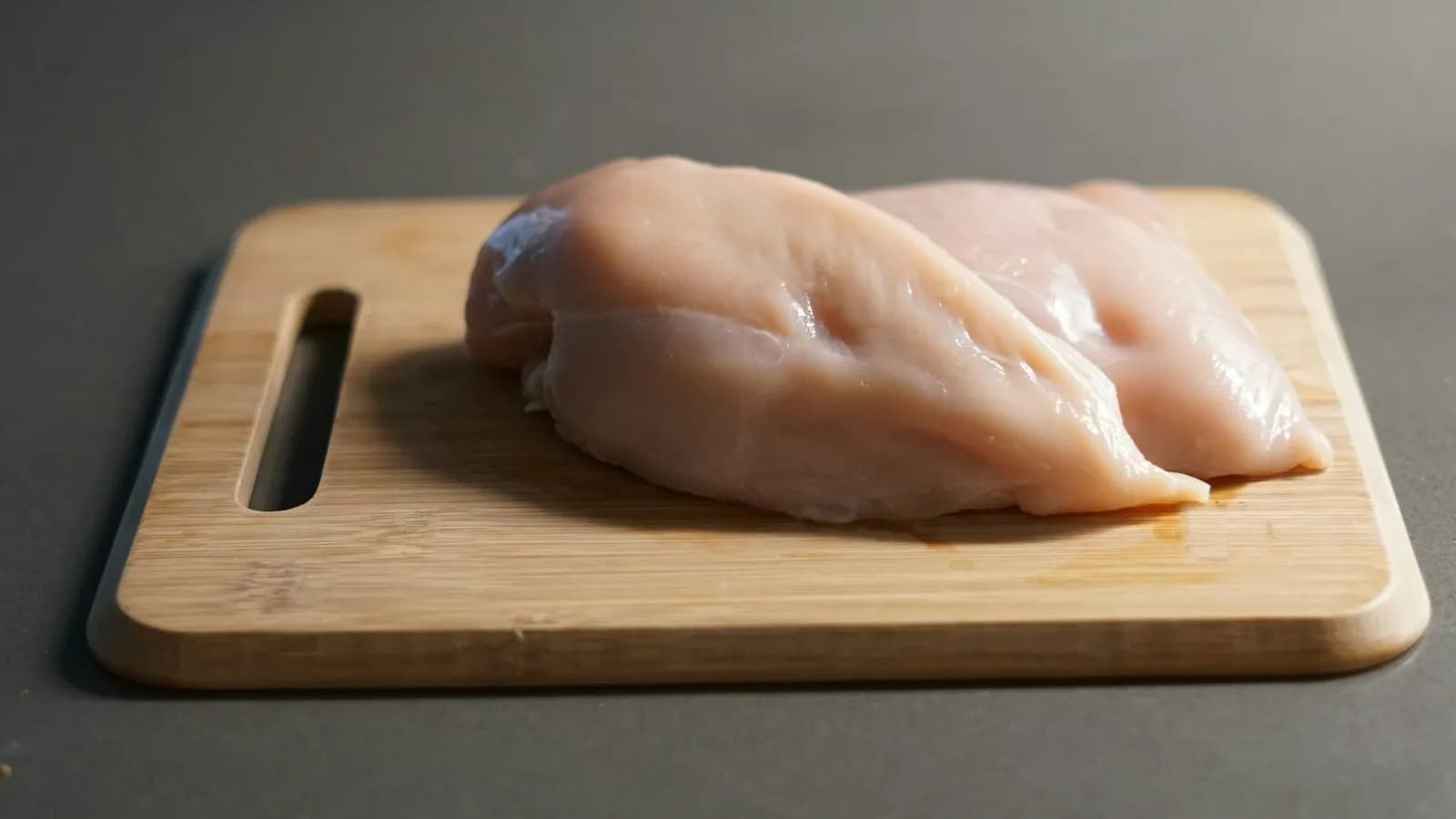
The germs behind foodborne illness, their symptoms, the foods they travel in and who is most at risk.
82 questions in the pool, free
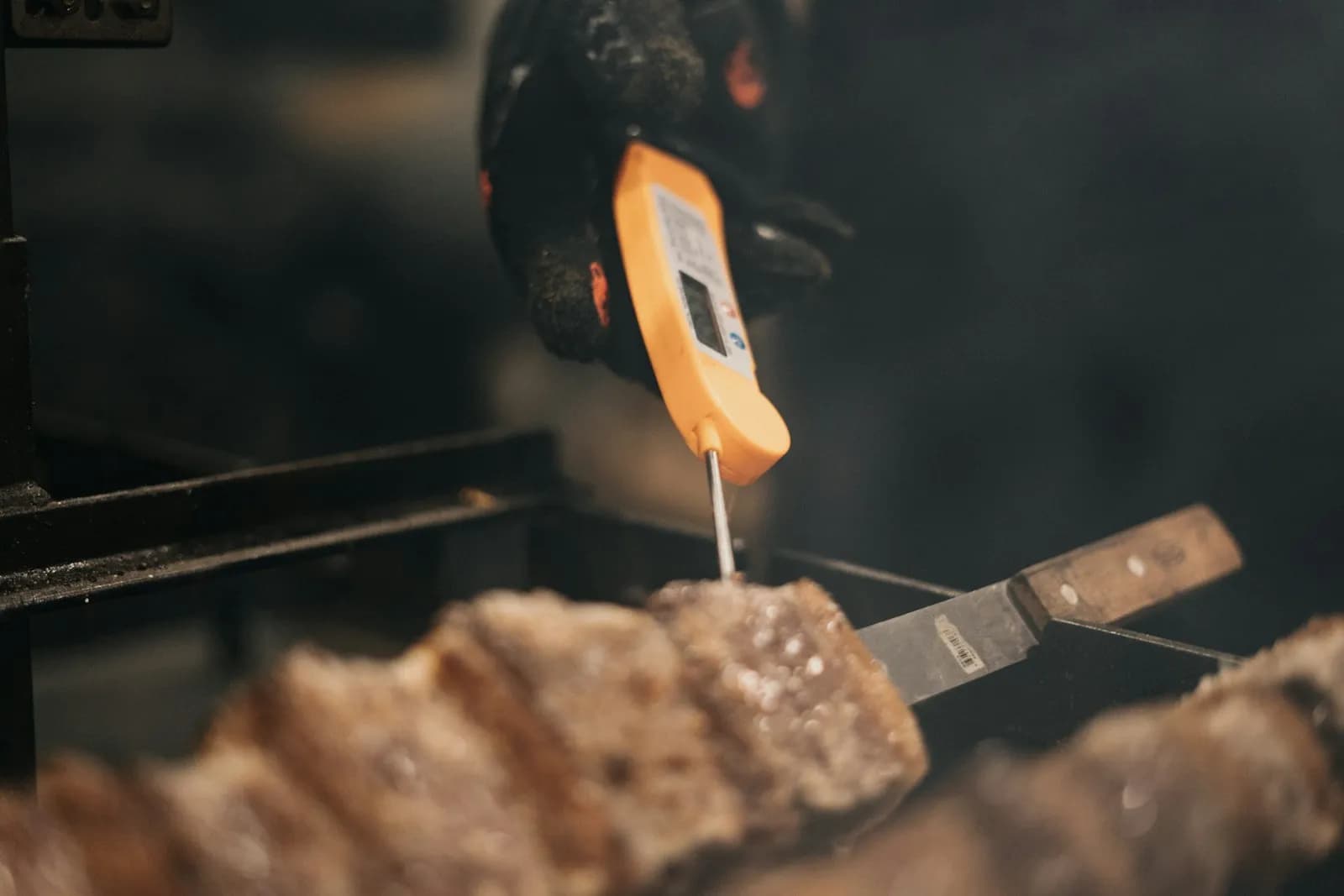
Minimum internal temperatures and hold times for meat, poultry, seafood and eggs.
41 questions in the pool, free
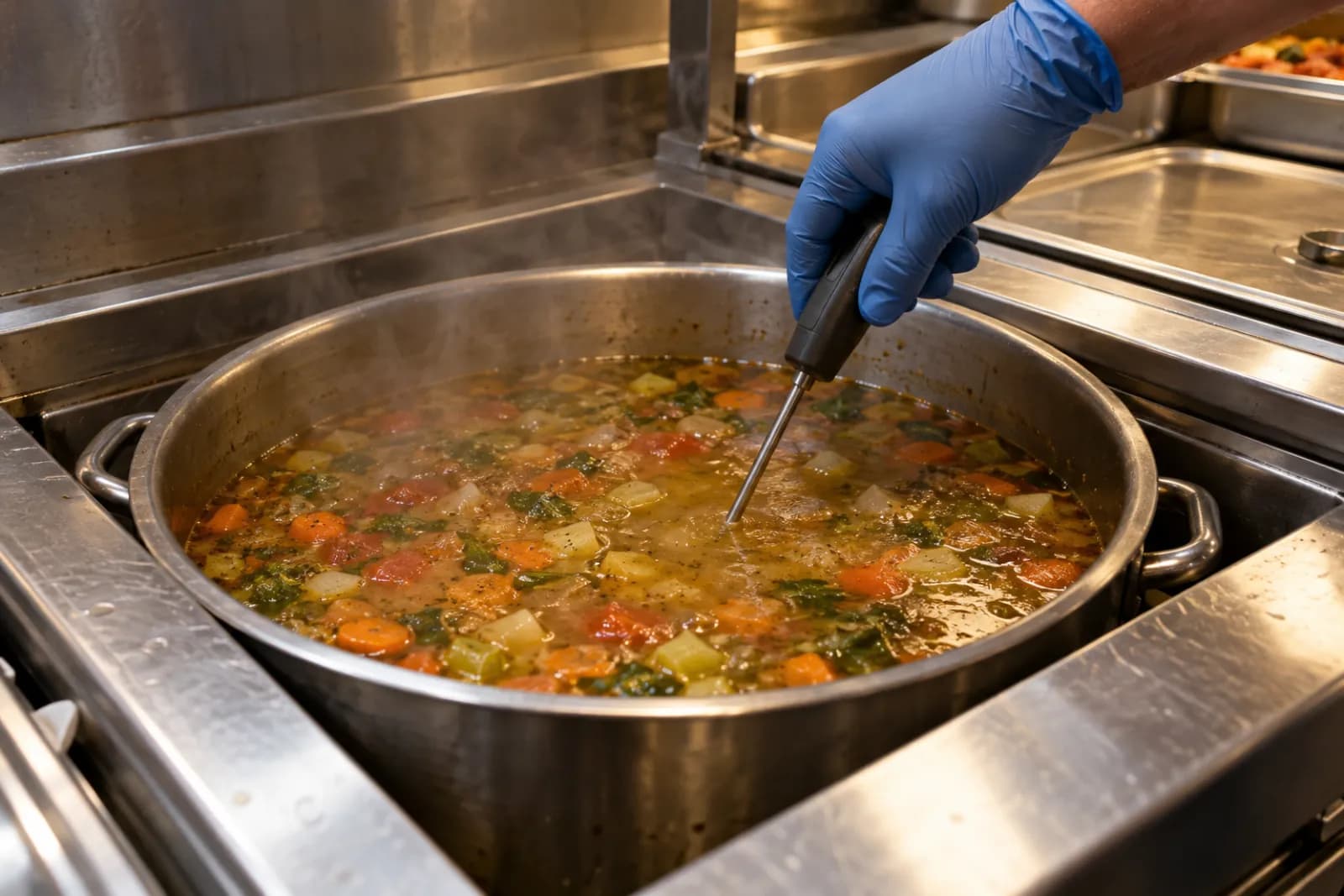
Keeping food out of the temperature danger zone on hot and cold holding lines, and using time as a control.
41 questions in the pool, free