ServSafe Food Handler Practice Test
Start a free food handler quiz right here, with no sign-up. You get 10 questions and see every answer with its reason at the end.
Start the free 10-question food handler quiz
- 10 questions · 15 minutes · pass mark 75%
- Answers and explanations are shown at the end, with every question to review.
The food handler test at a glance
- Questions
- 40
- Pass mark
- 75%
- Time limit
- None
- Proctor
- Not proctored on the standard online version
- Price
- $15, course and assessment
- Valid for
- 3 years
From ServSafe's certificate page, product page and FAQ. ServSafe notes that some places set a different passing score.
Is this the certificate your state wants?
Check before you pay for a course. We do not issue certificates or cards. ServSafe's FAQ says some states require state-specific training or have their own licensing rules.
State cards are separate products. For example, Washington has its own Food Worker Card, and a ServSafe certificate is a different thing. The state health department says you can work for up to 14 days before you get the card, if your employer gives you food safety training.
Rules change, so check with your state or local health agency. You can also read about which ServSafe certificate you need.
These are our own practice questions, not real exam questions.
10 sample Food Handler questions and answers
10 of our 375 questions, with the answer and why.
1. A cook wants a drink during service. Which choice follows the closed-container allowance?
Answer: Use a closed beverage container handled to prevent contamination
- A) Use a closed beverage container handled to prevent contamination (correct answer)
- B) Leave an open mug above the exposed salad bowls
- C) Set a glass on a cutting board and touch the rim during prep
- D) Share an uncovered cup with the prep team
Why: The closed-container allowance depends on handling that prevents contamination of hands, the container and protected items. An open mug does not meet the closed-container condition.
Source: FDA Food Code 2026, 2-401.11(B)
2. In a food-worker orientation, which situation illustrates the meaning of a foodborne illness rather than an unrelated workplace problem?
Answer: A person becomes ill after eating food containing harmful germs
- A) A person becomes ill after eating food containing harmful germs (correct answer)
- B) An employee strains a wrist while lifting a clean rack
- C) A worker gets stinging eyes when cleaning spray contacts them
- D) A cook burns an arm on a hot pan during service
Why: Eating food contaminated with harmful germs can cause a foodborne illness. A lifting injury is not the food-ingestion illness described here.
Source: CDC Food Safety Basics, At a glance
3. Why must raw animal food be kept separate from cooked ready-to-eat food during holding as well as preparation?
Answer: The separation requirement covers storage, preparation, holding and display
- A) Only foods currently being cut can transfer contamination
- B) The separation requirement covers storage, preparation, holding and display (correct answer)
- C) Separation stops applying once raw food is chilled
- D) Separation is needed only when foods look different
Why: The code explicitly applies separation during holding as well as other stages. Refrigeration does not remove the raw-to-ready-to-eat separation requirement.
Source: FDA Food Code 2026, 3-302.11(A)(1)
4. A cutting surface has contacted raw cod and will next contact raw beef. What allergen-related preparation is needed before the switch?
Answer: Clean and sanitize the food-contact surface
- A) Wipe the surface with a dry apron
- B) Clean and sanitize the food-contact surface (correct answer)
- C) Leave the fish residue because beef cooks hotter
- D) Move only the visible fish pieces and continue
Why: The Food Code's public-health explanation requires cleaning and sanitizing surfaces that contacted allergenic raw fish before other raw animal foods. A higher later cooking temperature does not remove that cleaning requirement.
Source: FDA Food Code 2026, Annex 3, 4-602.11
5. A batch of soup moves from 150°F (66°C) hot holding into a cooling process toward 38°F (3°C). Which band on the cooling log represents the FDA retail danger zone that the soup crosses?
Answer: Between 41°F (5°C) and 135°F (57°C)
- A) Between 41°F (5°C) and 135°F (57°C) (correct answer)
- B) Between 32°F (0°C) and 41°F (5°C) only
- C) Between 135°F (57°C) and 165°F (74°C) only
- D) Every temperature below 32°F (0°C)
Why: The FDA retail process discussion identifies the temperature danger zone between 41°F (5°C) and 135°F (57°C). The proposed 32°F (0°C) to 41°F (5°C) interval excludes the warmer temperatures in that danger zone.
Source: FDA Food Code 2022, Annex4, Process approach
6. A worker plans to mix a food-establishment chemical at a dilution different from its label because the job is difficult. What should guide use instead?
Answer: The manufacturer's labeled use directions and applicable rules
- A) The manufacturer's labeled use directions and applicable rules (correct answer)
- B) The strongest mixture the container can hold
- C) The dilution chosen only by its smell
- D) A coworker's unmeasured estimate from a different product
Why: Toxic materials must be used according to their labeled directions and applicable requirements. A difficult job does not authorize an arbitrary stronger dilution.
Source: FDA Food Code 2026, 7-202.12(A)(2)
7. Flour covers a baker's wrists as well as the palms. Which areas belong in the handwashing procedure?
Answer: Hands and the exposed parts of the arms
- A) Hands and the exposed parts of the arms (correct answer)
- B) Palms only because flour is dry
- C) Fingertips only before gloves are put on
- D) Gloves only if the baker will wear them
Why: Clean the hands and exposed arms, including soiled wrists. Washing only the palms leaves other contaminated skin untreated.
Source: FDA Food Code 2026, 2-301.11
8. A prep employee vomits before the opening shift and thinks the cause is unknown. What should the employee tell the person in charge?
Answer: Report the vomiting before starting food work
- A) Keep the information private until the next staff meeting
- B) Report the vomiting before starting food work (correct answer)
- C) Say nothing unless another employee also vomits
- D) Report only after touching ready-to-eat food
Why: Vomiting is a reportable symptom, so the person in charge needs the information before work begins. A second sick employee is not needed to trigger reporting.
Source: FDA Food Code 2026, 2-201.11(A)
9. A bakery employee is arranging ready-to-eat cookies under ordinary procedures without a bare-hand-contact approval. Which tool provides a suitable handling method?
Answer: Clean tongs
- A) Clean tongs (correct answer)
- B) Freshly washed bare fingers without an approved alternative procedure
- C) A clean bare hand holding only the edge of each cookie
- D) Bare hands after using antiseptic without an approved alternative procedure
Why: Suitable utensils such as tongs avoid bare-hand contact with ready-to-eat food. Washing or using antiseptic does not by itself create a bare-hand-contact approval.
Source: FDA Food Code 2026, 3-301.11(B)
10. What basic condition must food-contact equipment surfaces and utensils meet after cleaning?
Answer: Clean to sight and touch
- A) Shiny on the outside while the food-contact side is dirty
- B) Wet with detergent even if soil remains
- C) Clean to sight and touch (correct answer)
- D) Free of odor even if food residue remains
Why: Food-contact surfaces and utensils must be clean to sight and touch. A lack of odor alone does not show that residue has been removed.
Source: FDA Food Code 2026, 4-601.11(A)
Food handler quizzes by topic
Every topic quiz is free, with no sign-up.
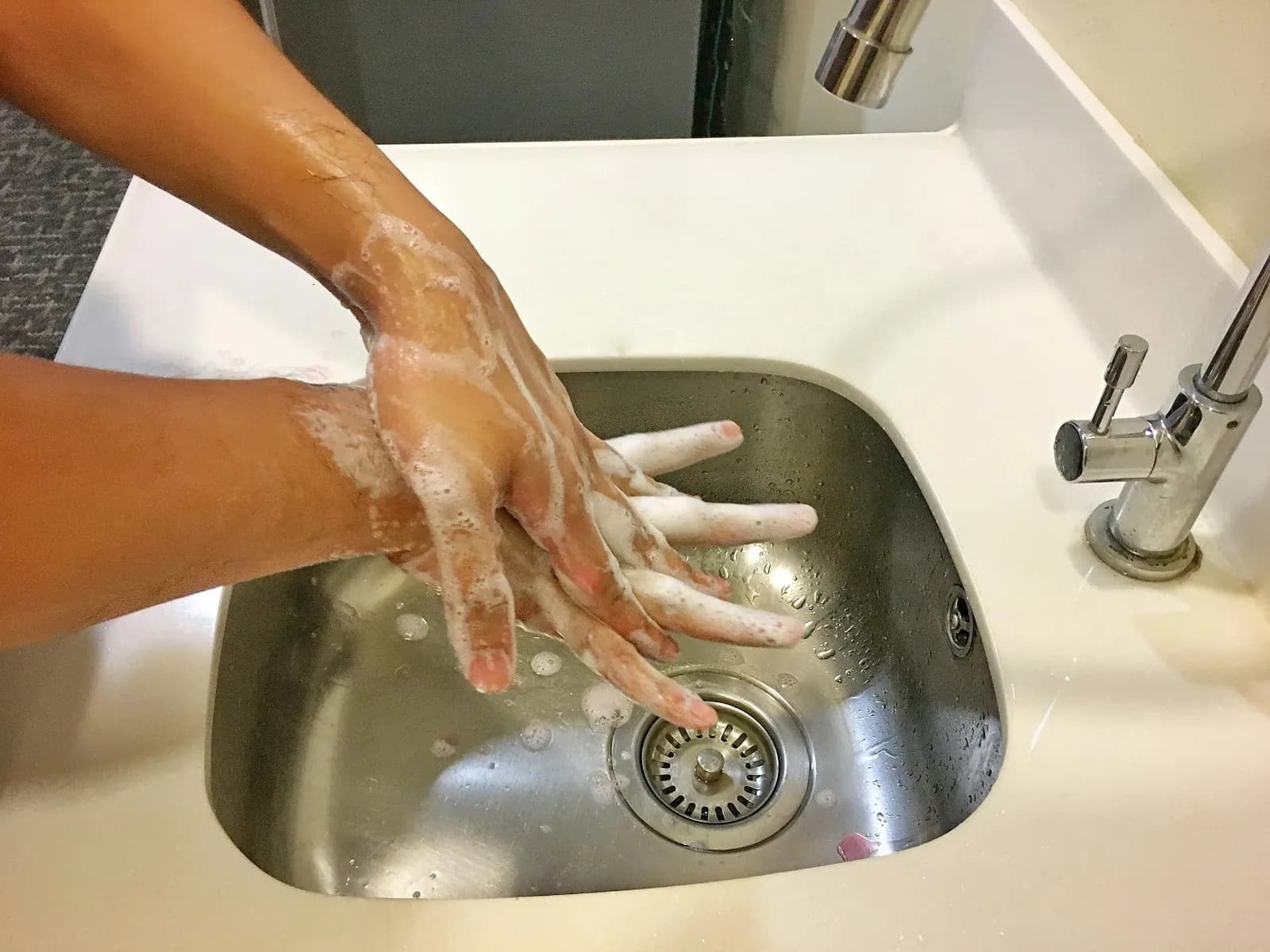
Handwashing, gloves, hair restraints, jewelry and when sick staff must stay away from food.
49 questions in the pool, free
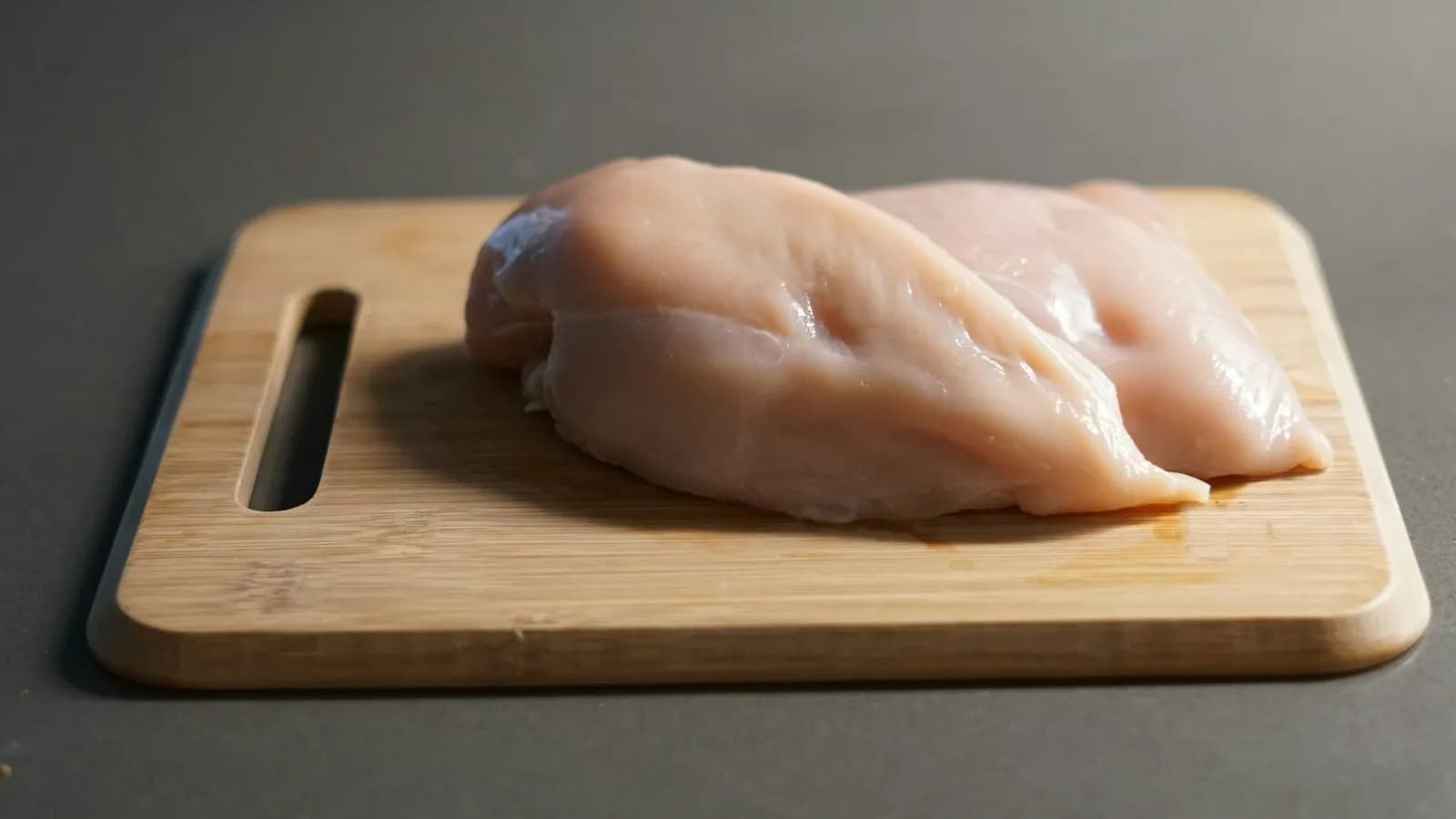
The germs behind foodborne illness, their symptoms, the foods they travel in and who is most at risk.
43 questions in the pool, free
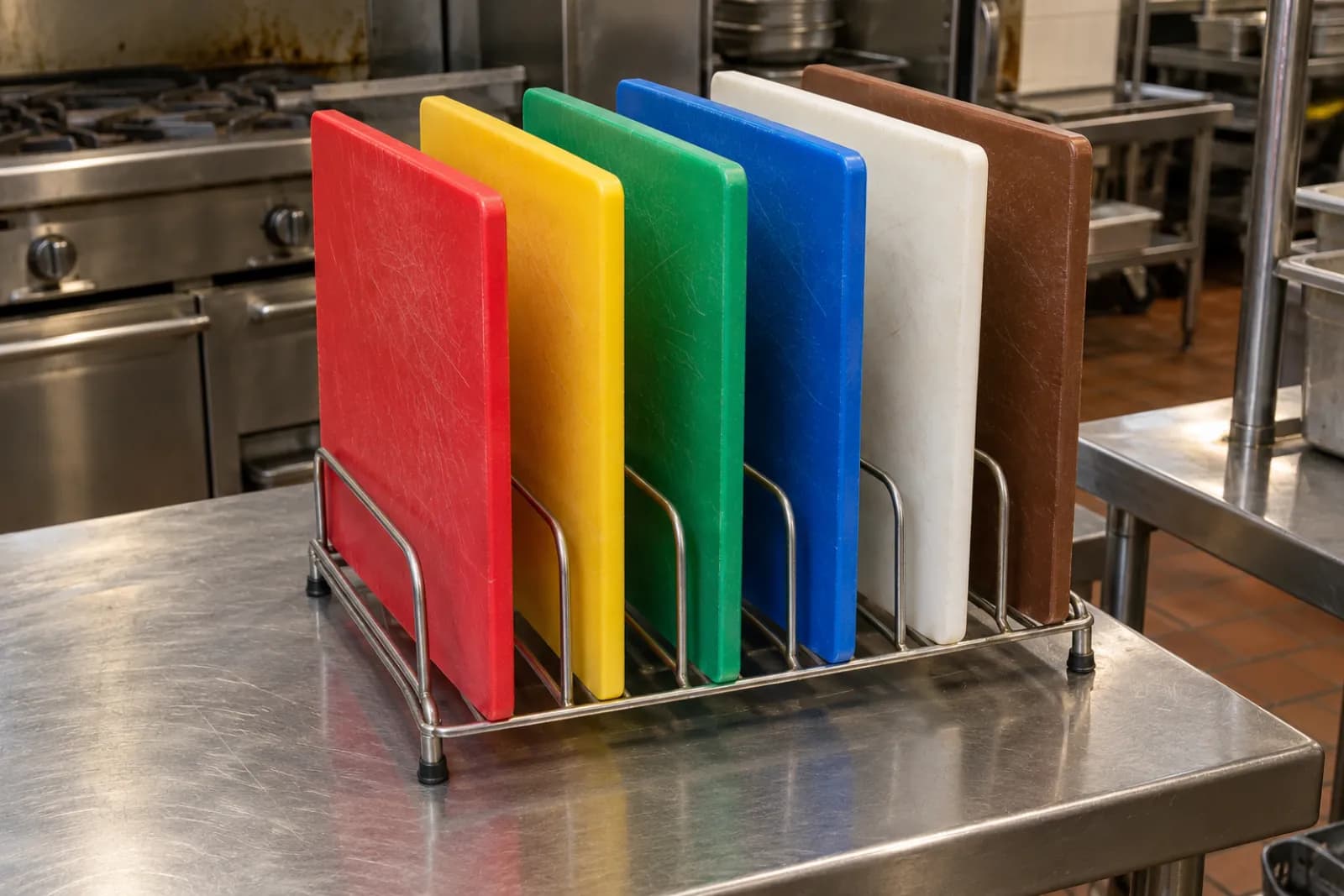
Biological, chemical and physical hazards, and how to keep raw foods and allergens apart from ready-to-eat food.
50 questions in the pool, free
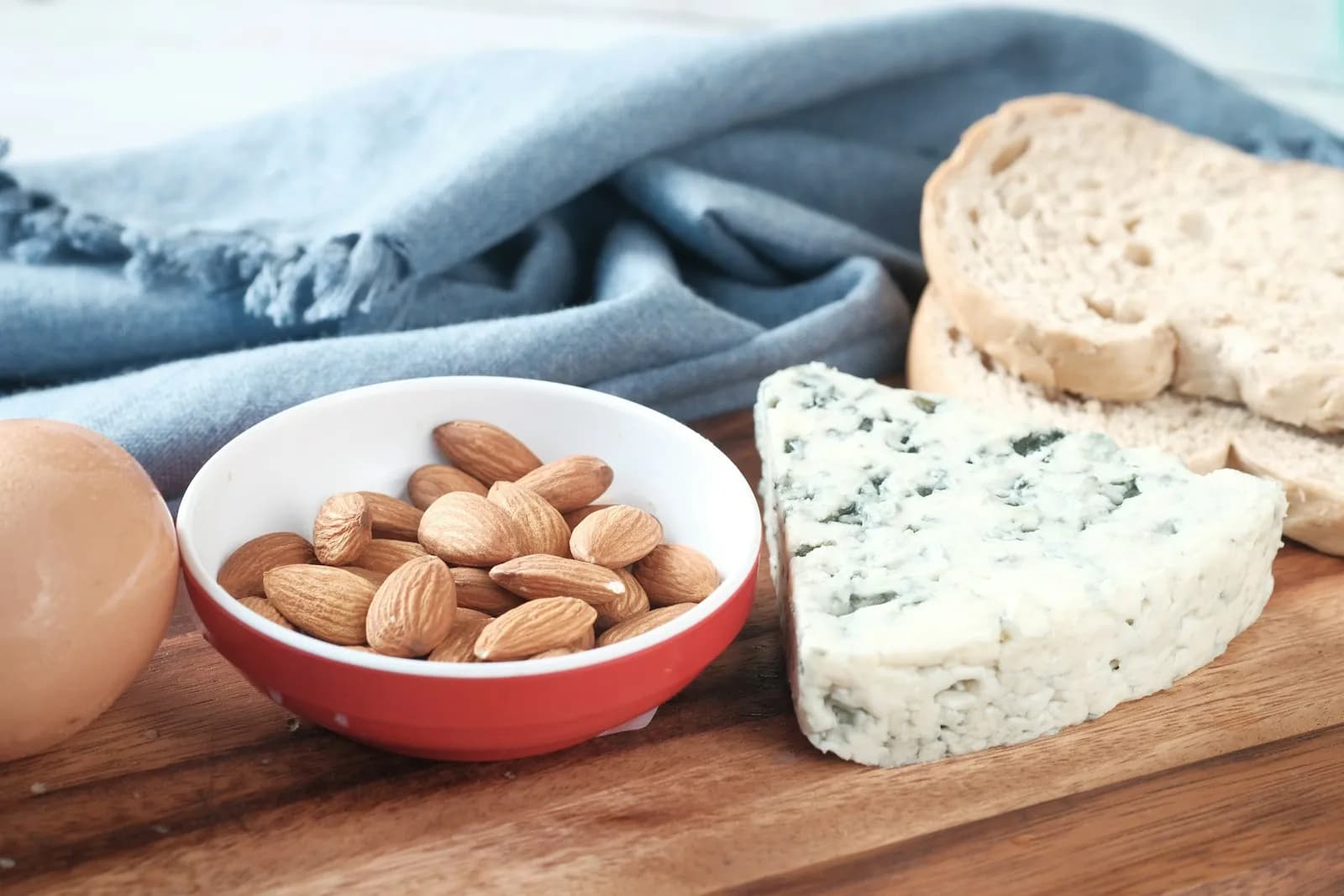
The nine major US allergens, label reading, cross-contact and talking with guests about their allergies.
27 questions in the pool, free
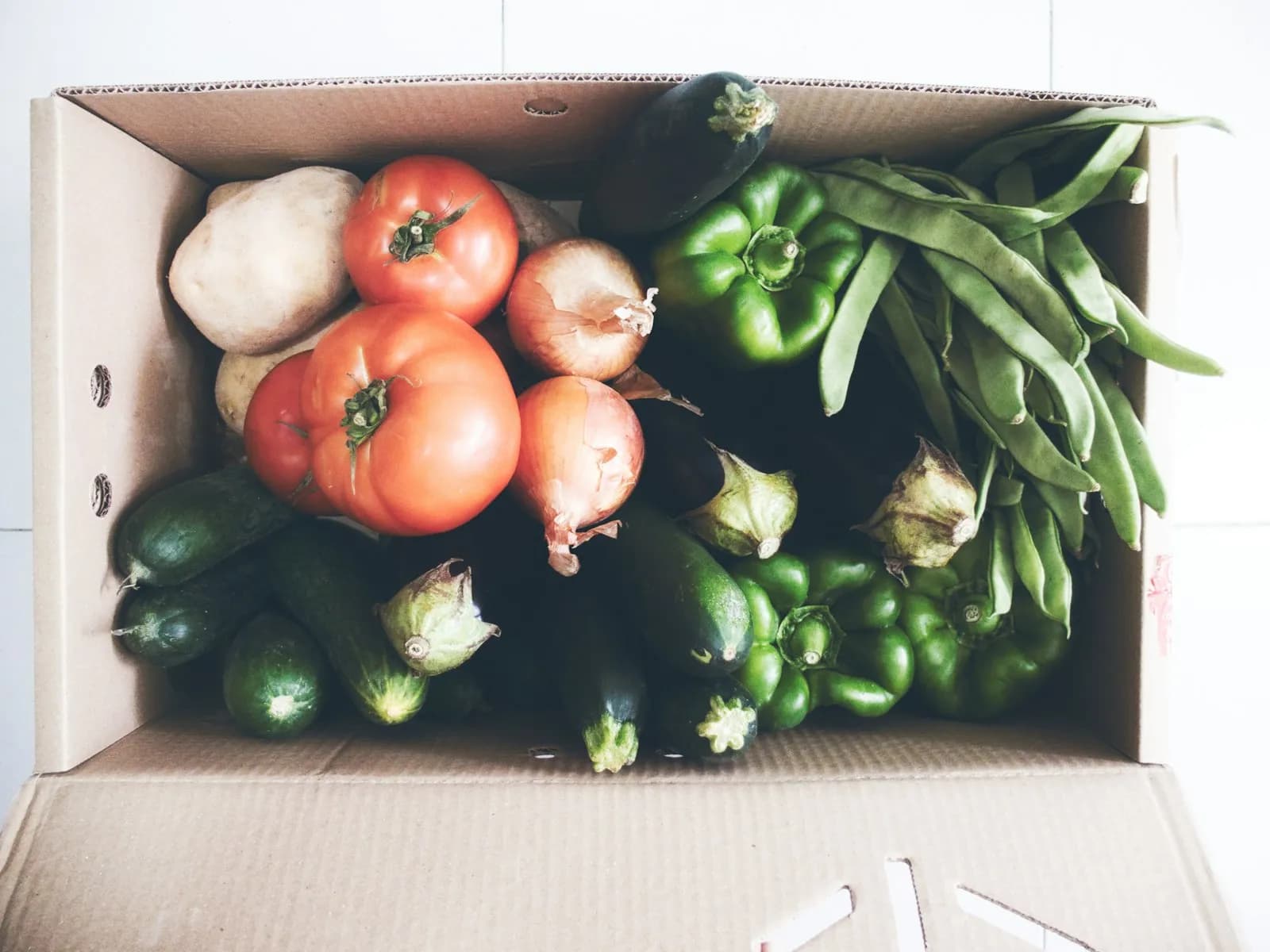
Approved suppliers, checking deliveries, and when to reject a shipment.
20 questions in the pool, free
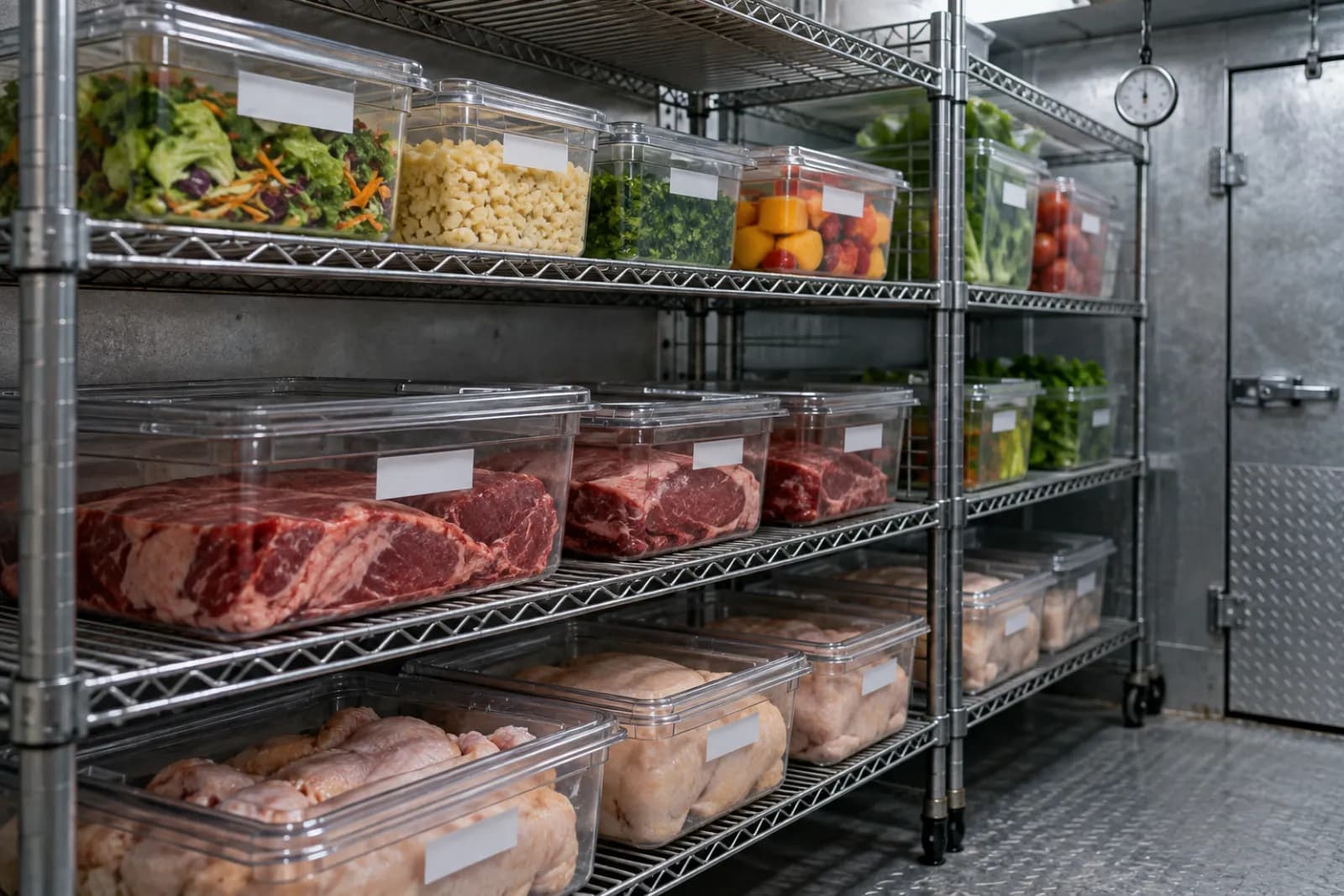
Shelf order, labels, date marking, first in first out and refrigerator and freezer temperatures.
15 questions in the pool, free
Thawing, washing produce, handling raw food and the steps that need a variance.
16 questions in the pool, free
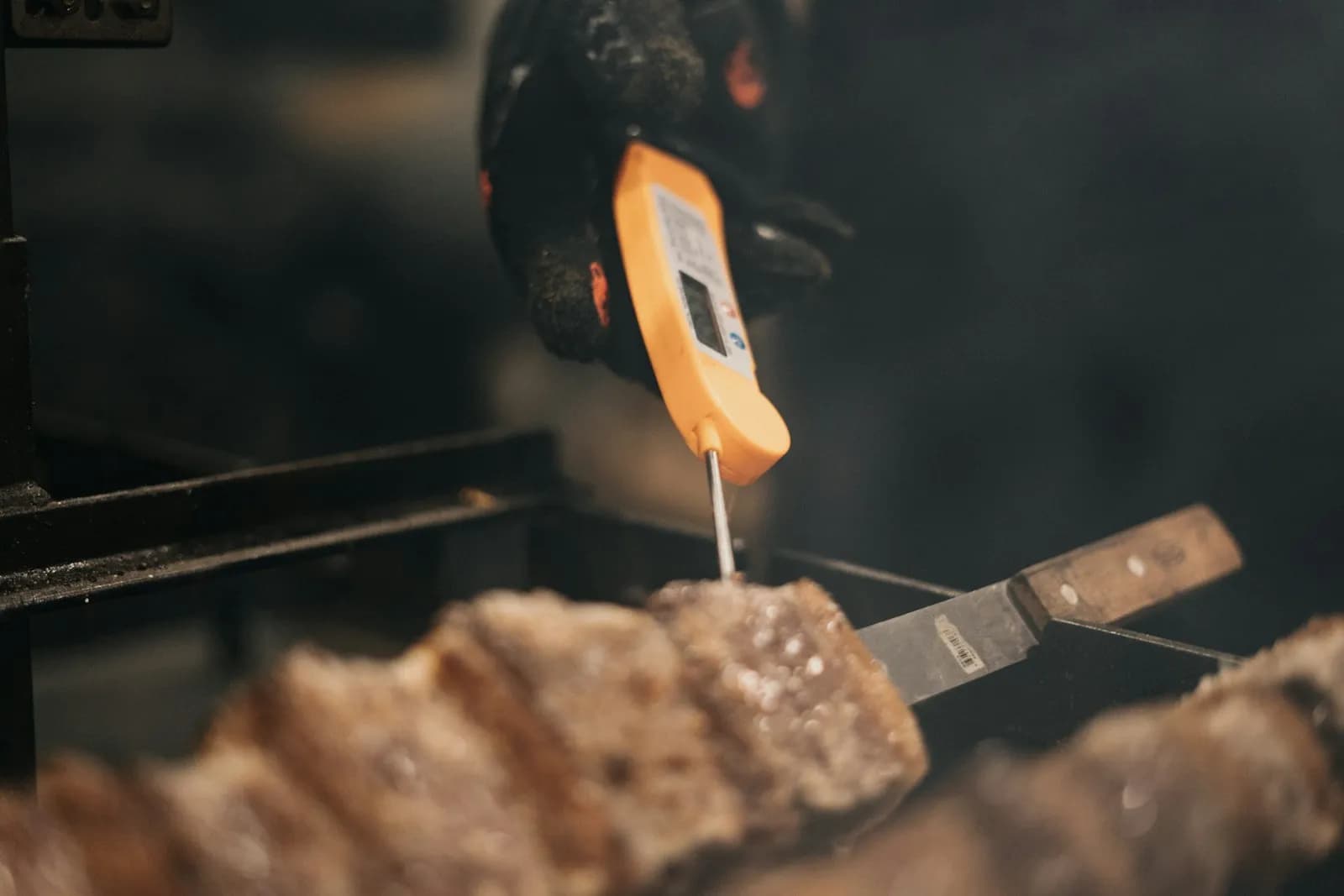
Minimum internal temperatures and hold times for meat, poultry, seafood and eggs.
19 questions in the pool, free
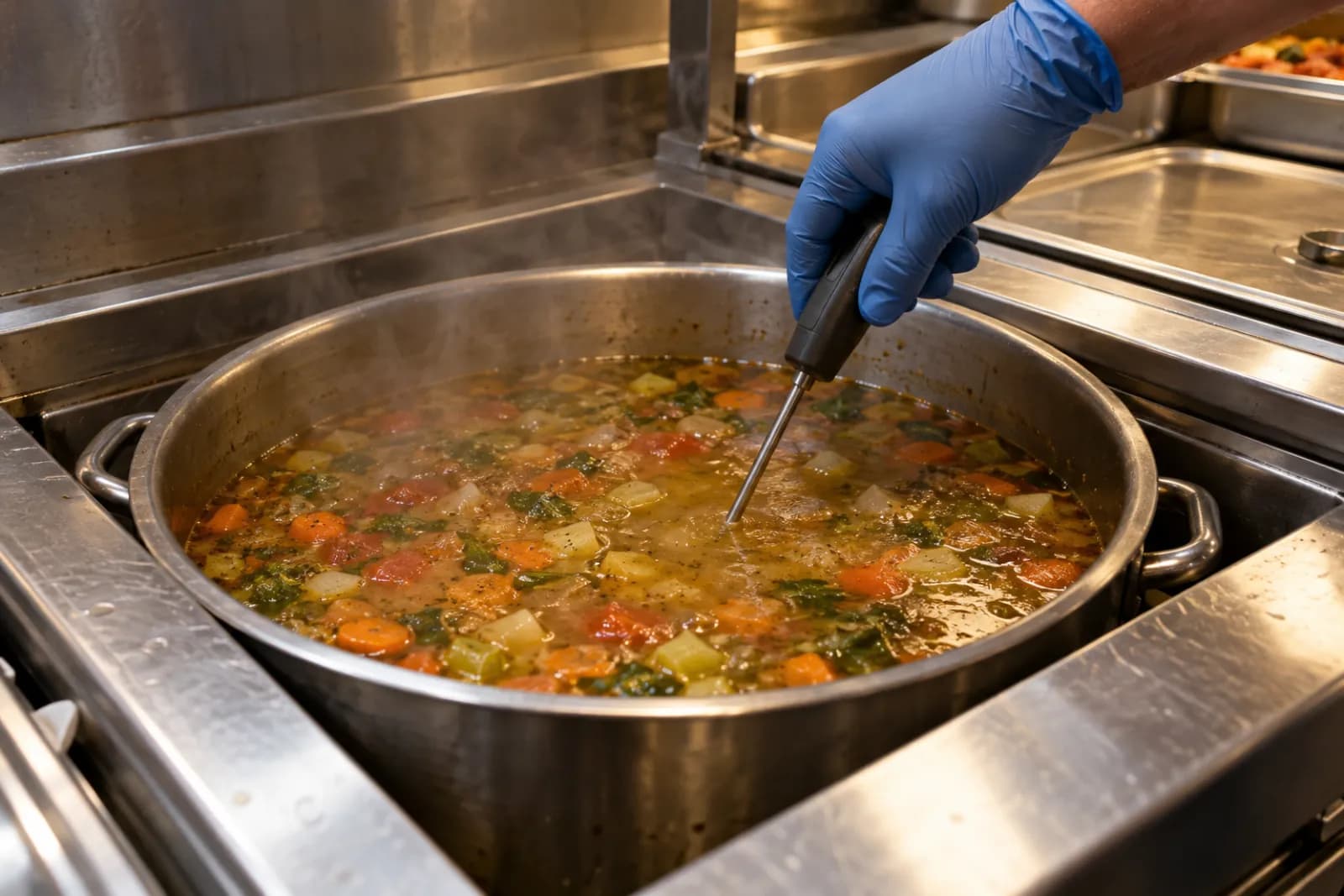
Keeping food out of the temperature danger zone on hot and cold holding lines, and using time as a control.
25 questions in the pool, free
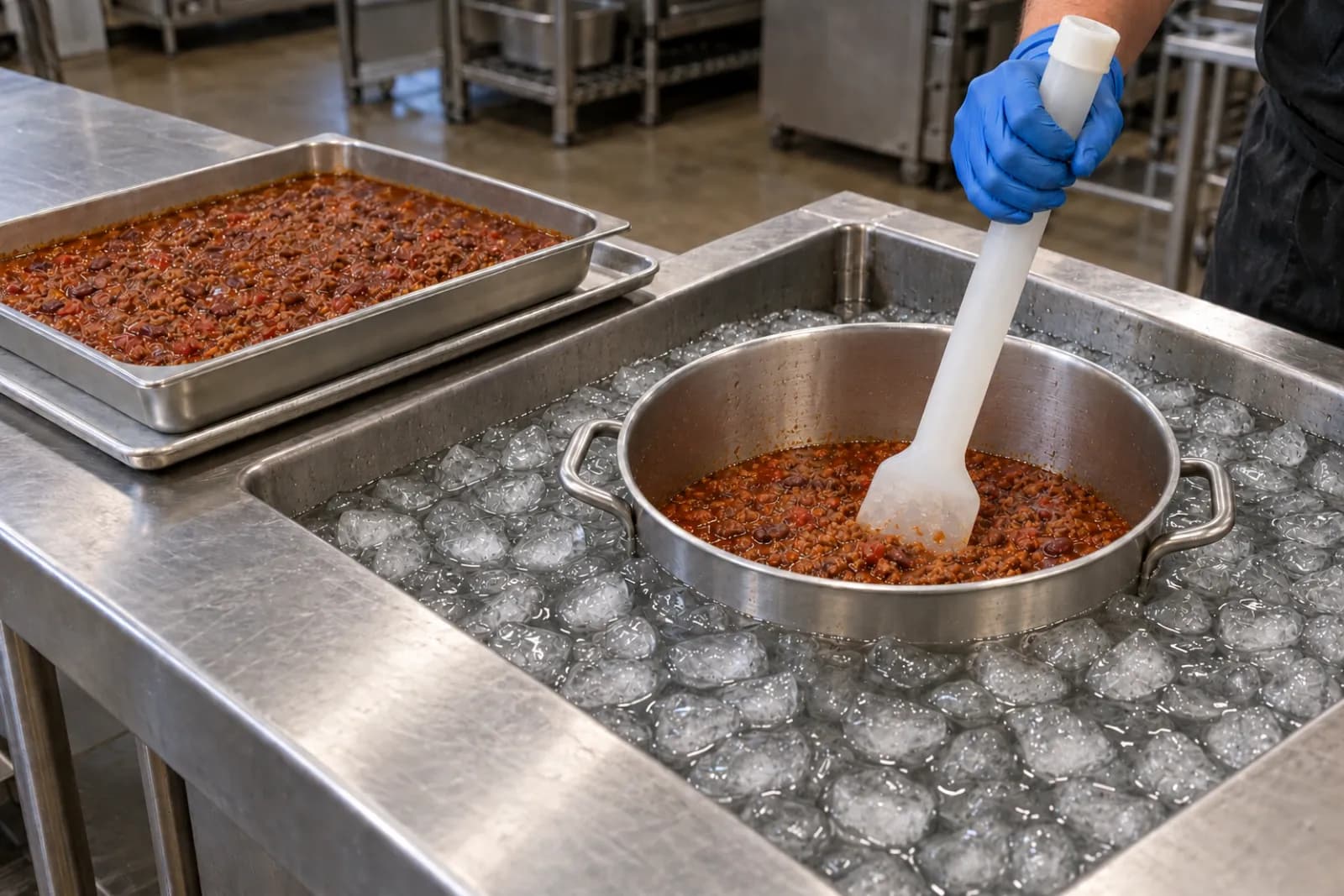
The two-stage cooling limits, safe cooling methods and how to reheat food for hot holding.
20 questions in the pool, free
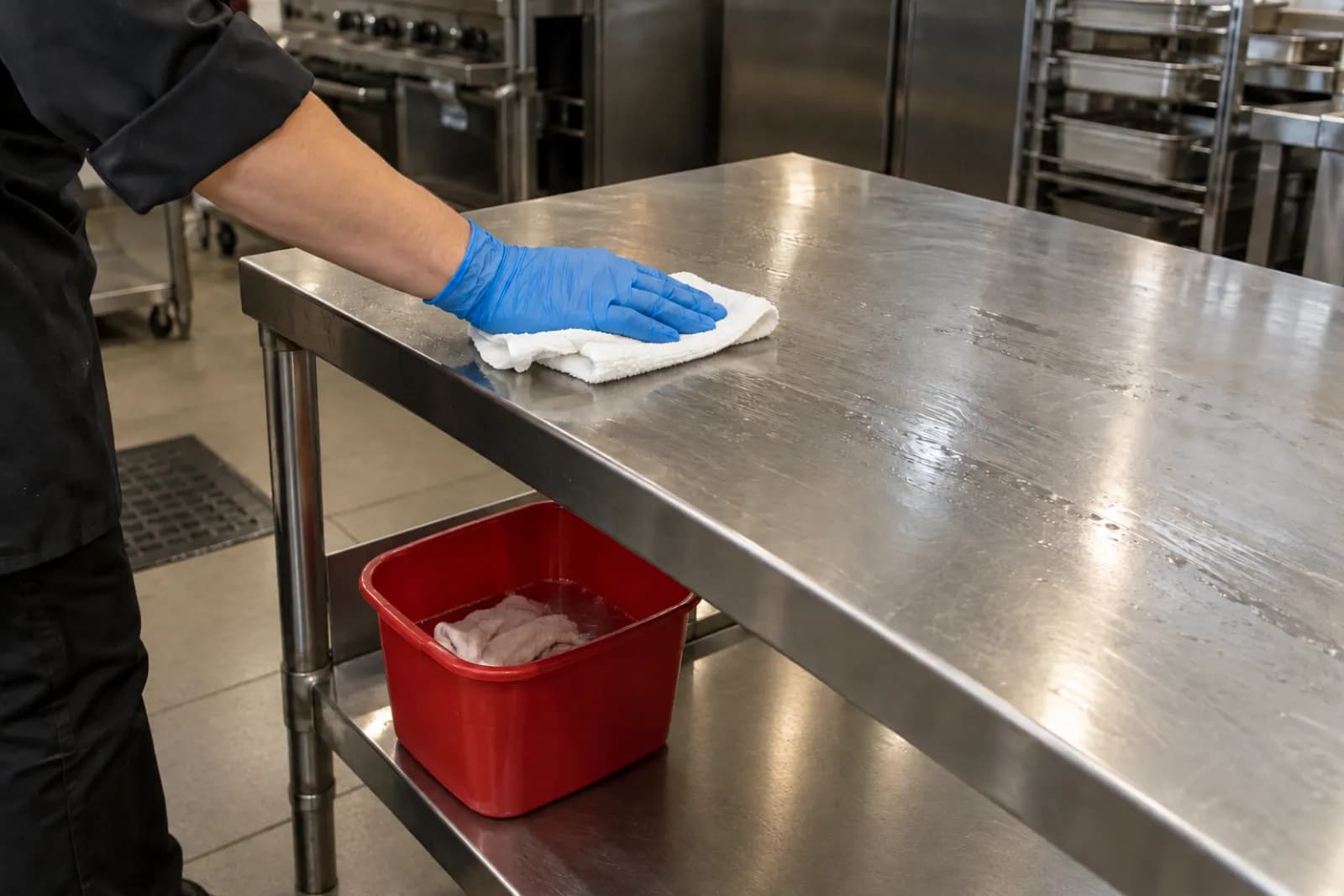
Cleaning versus sanitizing, sanitizer strength, dishwashing and three-compartment sinks.
53 questions in the pool, free
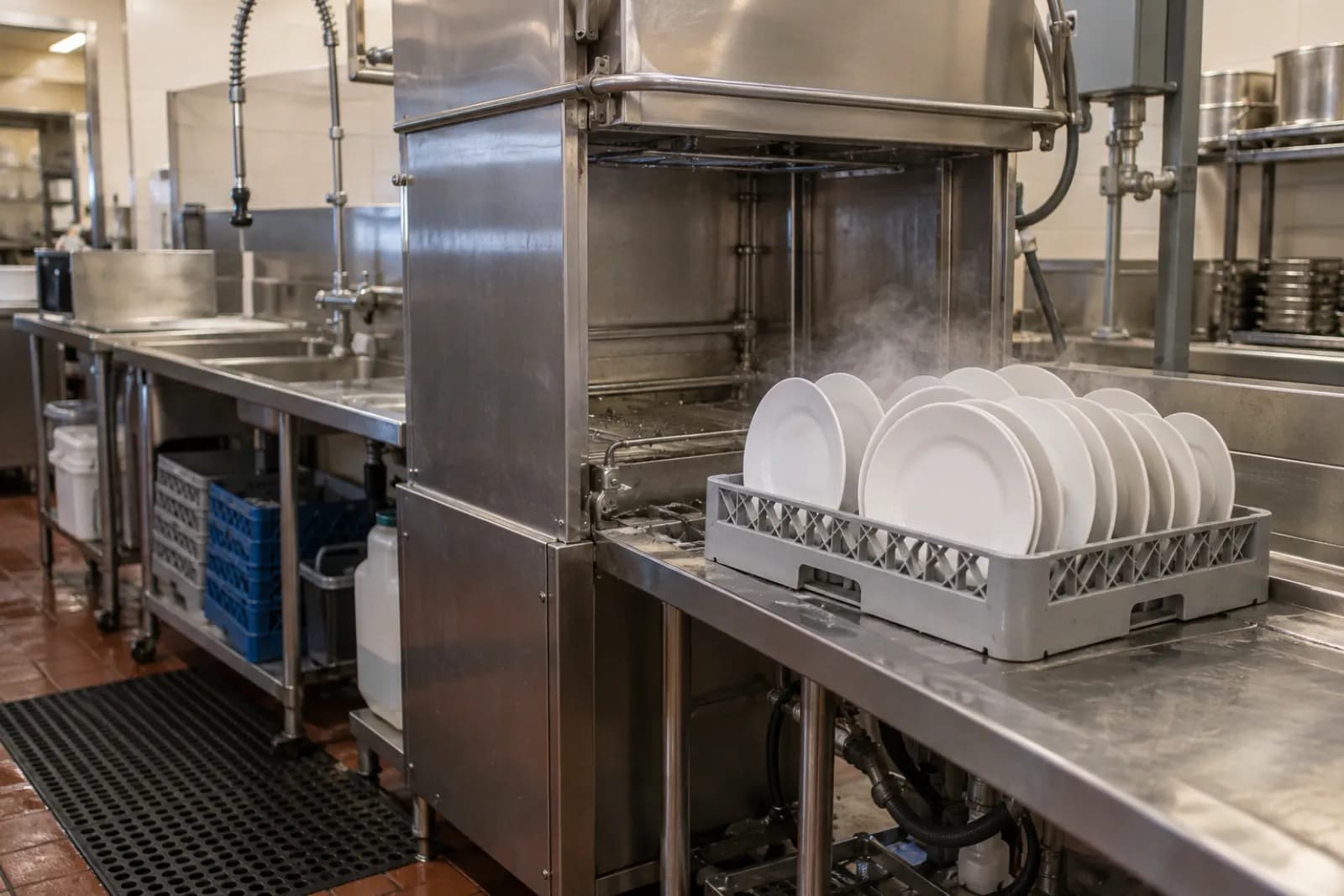
Handwashing sinks, plumbing, backflow, ventilation, lighting and approved equipment.
19 questions in the pool, free
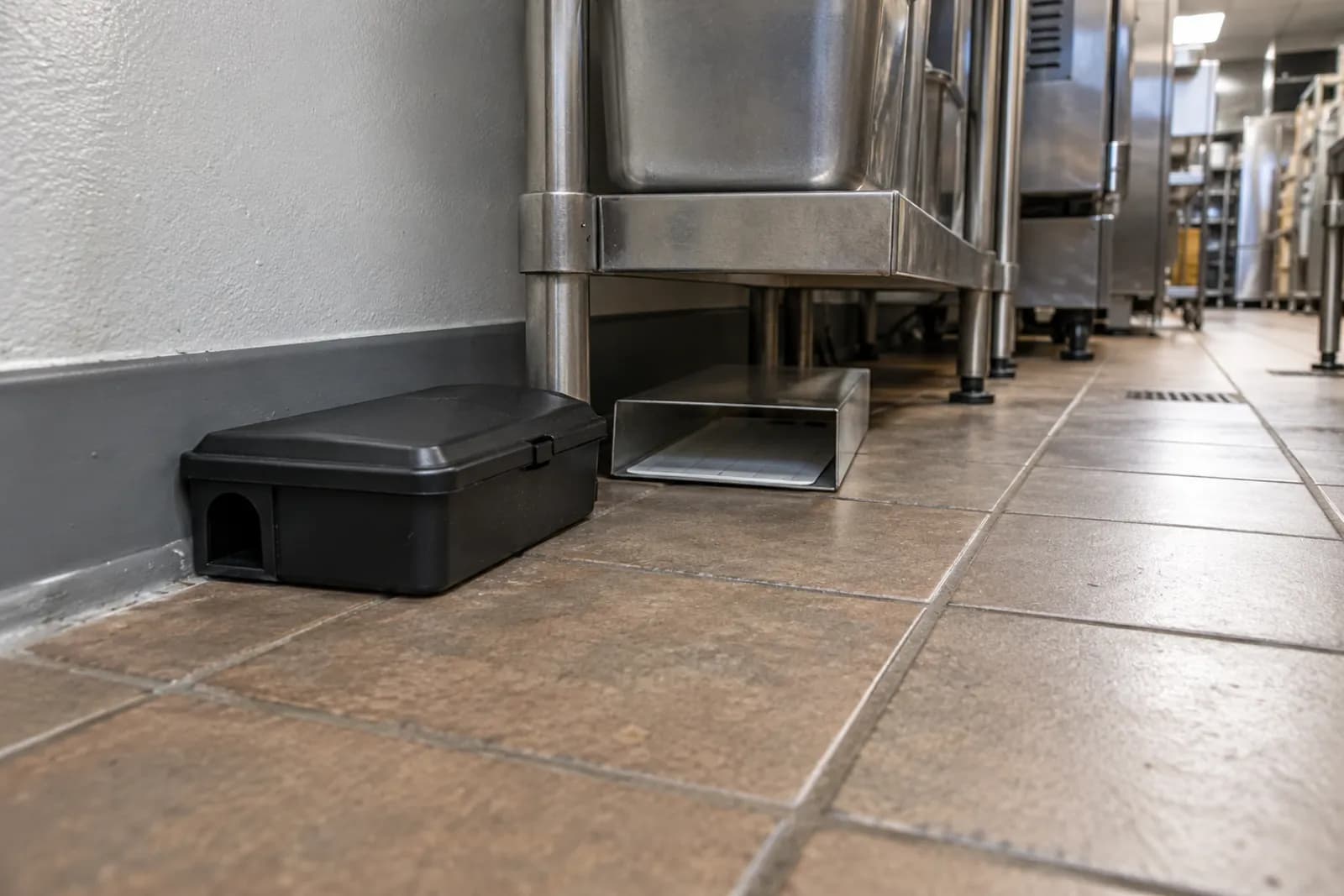
Keeping pests out, signs of an infestation, and working with a licensed operator.
18 questions in the pool, free
Timed food handler mocks and the plan
None of the Food Handler mocks are free. All 8 are on the Food Handler Plan.
You sit one fixed paper of 40 questions against a 60-minute clock, and no question repeats between papers. 75% matches the online assessment.
- Food Handler mock exam 140 questions, on the plan
- Food Handler mock exam 240 questions, on the plan
- Food Handler mock exam 340 questions, on the plan
- Food Handler mock exam 440 questions, on the plan
- Food Handler mock exam 540 questions, on the plan
- Food Handler mock exam 640 questions, on the plan
- Food Handler mock exam 740 questions, on the plan
- Food Handler mock exam 840 questions, on the plan
Food Handler Plan
8 timed 40-question mock exams. $2.99 a month. Cancel in one click. Includes a printable PDF pack.
Plans are not on sale yet.
compare the three monthly plansFood handler study guide
You can use the free quizzes as a study guide. Here is a simple order.
- Take the 10-question quiz at the top of this page to see where you stand.
- Work through the five areas below, one quiz at a time.
- Read the reason for every answer you miss, then check its source.
- Retake any topic where you score under 75%.
A high practice score does not promise a pass on the real assessment. You can also browse all our ServSafe practice quizzes by topic.
ServSafe's product page lists these five areas. It gives no percentage for each one. The match to our quizzes is our own.
- Basic food safety
- Our quizzes: foodborne illness.
- Personal hygiene
- Our quizzes: personal hygiene.
- Cross-contamination and allergens
- Our quizzes: contamination and cross-contact, food allergens.
- Time and temperature
- Our quizzes: purchasing and receiving, food storage, food preparation, cooking temperatures, hot and cold holding, cooling and reheating.
- Cleaning and sanitation
- Our quizzes: cleaning and sanitizing, facilities and equipment, pest control.
Food handler test FAQ
How long is the ServSafe Food Handler test?
It has 40 multiple choice questions and no time limit. ServSafe says that on average people finish within 90 minutes. See ServSafe's certificate page.
How many times can I retake it?
ServSafe's pages do not agree. The certificate page and the product page say three attempts are included, and after the third you buy a new course. An older course page says you can try until you pass or the course expires. Check the terms of the course you buy.
Do you issue food handler cards?
No. We only offer practice. You get a certificate or a card from ServSafe, your state or your local agency.
How long is the certificate valid?
ServSafe says three years, and state or employer rules can vary. Read more on how long a ServSafe Food Handler certificate lasts.
Are these real test questions?
No. We wrote them ourselves. You can see where each answer comes from. ServSafe's product pagenames the 2022 FDA Food Code as the course's basis. The source under each of our answers names the edition we used.
Can I see more answers?
Yes. We explain 10 more of our own questions on the Food Handler practice test answers page. Every quiz also shows its answers at the end.
What languages are available?
ServSafe's FAQ lists English, Spanish, Chinese, Vietnamese and Korean for the assessment. Some state or county versions may only come in English and Spanish. Our quizzes are in English.