ServSafe Food Handler: Cleaning and sanitizing Questions
Cleaning versus sanitizing, sanitizer strength, dishwashing and three-compartment sinks.
53 questions in this topic. The quiz draws 20 at a time. Free, with no sign-up.
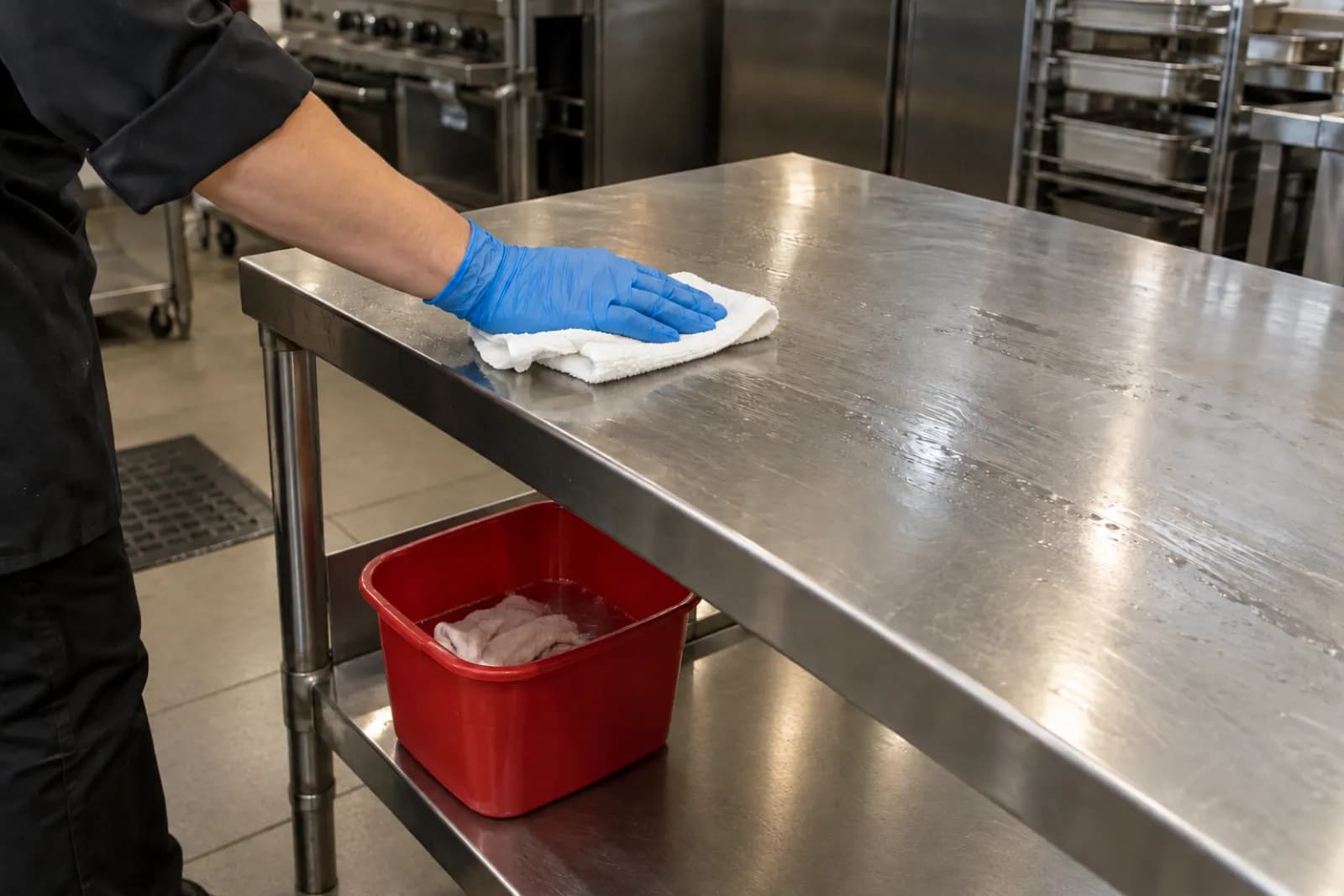
Cleaning and sanitizing practice quiz
- 20 questions · 30 minutes · pass mark 75%
- Answers and explanations are shown at the end, with every question to review.
Local requirements and delivery can differ, so check what your state or county asks for.
Key numbers
- Manual wash water: at least 110°F, or the temperature on the cleaner's label
- Hot water sanitizing by hand: 171°F or above for at least 30 seconds
- Food-contact surfaces used with TCS food: clean at least every 4 hours
- After sanitizing: air-dry, and do not dry with a cloth
Source: FDA Food Code 2022, 4-501.19, 4-501.111, 4-602.11, 4-703.11, 4-901.11
10 sample cleaning and sanitizing questions and answers
10 of our 53 questions, with the answer and why.
1. What basic condition must food-contact equipment surfaces and utensils meet after cleaning?
Answer: Clean to sight and touch
- A) Shiny on the outside while the food-contact side is dirty
- B) Wet with detergent even if soil remains
- C) Clean to sight and touch (correct answer)
- D) Free of odor even if food residue remains
Why: Food-contact surfaces and utensils must be clean to sight and touch. A lack of odor alone does not show that residue has been removed.
Source: FDA Food Code 2026, 4-601.11(A)
2. For utensils continuously used with TCS food at an ordinary room-temperature prep station, with no special exception, what cleaning interval is required?
Answer: At least every 4 hours
- A) Only once per 8-hour shift
- B) Only when visible food changes color
- C) Every 24 hours regardless of use
- D) At least every 4 hours (correct answer)
Why: The ordinary interval for TCS-contact utensils is at least every four hours. Longer intervals belong only to specified exceptions not present here.
Source: FDA Food Code 2026, 4-602.11(C)
3. A reusable cloth used to wipe counters is wet between tasks. Where should it be held between uses?
Answer: In chemical sanitizer solution at the required concentration
- A) In chemical sanitizer solution at the required concentration (correct answer)
- B) Folded wet on the prep counter
- C) In plain standing water at room temperature
- D) On the handle of a waste bin
Why: Wet counter-wiping cloths are held between uses in the specified sanitizer solution. Plain water does not provide that required storage treatment.
Source: FDA Food Code 2026, 3-304.14(B)(1)
4. An employee uses disposable sanitizer wipes on a food-contact surface. What controls their use, including any required contact conditions?
Answer: The EPA-approved manufacturer's label instructions
- A) Only whether the surface looks shiny afterward
- B) The EPA-approved manufacturer's label instructions (correct answer)
- C) A rule that one quick pass always sanitizes every surface
- D) The same contact time assumed for every sanitizer product
Why: Disposable sanitizer wipes must follow the EPA-approved label instructions. A shiny surface alone does not establish the required use conditions.
Source: FDA Food Code 2026, 3-304.14(F)
5. Which dishmachine loading practice does NOT meet the stated spray-and-drain requirements?
Answer: Nest bowls tightly so spray cannot reach the inner surfaces
- A) Position items so spray reaches them unobstructed
- B) Arrange the rack so items can drain
- C) Leave space that permits exposure during each spray cycle
- D) Nest bowls tightly so spray cannot reach the inner surfaces (correct answer)
Why: Loading must expose items to unobstructed spray and allow drainage. Tightly nesting bowls blocks the required cleaning action.
Source: FDA Food Code 2026, 4-603.13
6. A worker plans to mix a food-establishment chemical at a dilution different from its label because the job is difficult. What should guide use instead?
Answer: The manufacturer's labeled use directions and applicable rules
- A) The manufacturer's labeled use directions and applicable rules (correct answer)
- B) The strongest mixture the container can hold
- C) The dilution chosen only by its smell
- D) A coworker's unmeasured estimate from a different product
Why: Toxic materials must be used according to their labeled directions and applicable requirements. A difficult job does not authorize an arbitrary stronger dilution.
Source: FDA Food Code 2026, 7-202.12(A)(2)
7. At the start of manual warewashing, the three sink compartments have not yet been cleaned for use. What is the first equipment-preparation step?
Answer: Clean the warewashing sink before use
- A) Fill over the residue because detergent will eventually remove it
- B) Clean the warewashing sink before use (correct answer)
- C) Start washing dishes and clean the basins only at closing
- D) Put sanitizer into every dirty basin instead of cleaning them
Why: Warewashing sinks must be cleaned before they are used. The before-use cleaning requirement comes before relying on the filled wash solution.
Source: FDA Food Code 2022, 4-501.14
8. A queue of dirty dishes builds up, and an operator suggests shortening the automatic wash cycle to move racks faster. What should govern cycle timing?
Answer: Keep the timing within the manufacturer's specifications
- A) Shorten the cycle whenever dishes look clean before it ends
- B) Halve the cycle time if a stronger detergent is used
- C) Use the shortest cycle the controls will physically permit
- D) Keep the timing within the manufacturer's specifications (correct answer)
Why: Automatic cycle times and conveyor speeds must be maintained according to the manufacturer's specifications. Appearance does not authorize changing the specified cycle timing.
Source: FDA Food Code 2022, 4-501.15(B)
9. A worker proposes brushing a surface dry to remove moist cooked-rice residue. Why is that proposal outside the model-code dry-cleaning allowance?
Answer: Dry cleaning is limited to dry food residues that are not TCS food
- A) Brushing is never listed as a dry-cleaning method
- B) Dry cleaning is limited to dry food residues that are not TCS food (correct answer)
- C) Dry cleaning is permitted for any residue once the food has cooled
- D) A clean brush makes the residue type irrelevant
Why: The allowance does not cover moist cooked-rice residue from a TCS food. The rule does list brushing but limits the kinds of residue it may contact.
Source: FDA Food Code 2022, 4-603.11(A)
10. A server uses a cloth only to wipe food spills from the outside of carry-out containers as meals are served. How must that service cloth be maintained?
Answer: Keep it dry
- A) Store it wet in the counter-cloth sanitizer bucket between service wipes
- B) Use it wet because every wiping cloth must be held wet
- C) Keep it dry (correct answer)
- D) Add more water whenever the cloth begins to dry
Why: The service-spill cloth provision requires the cloth to be maintained dry. The wet counter-cloth storage method does not replace the separate requirement to maintain a tableware service-spill cloth dry.
Source: FDA Food Code 2022, 3-304.14(A)
Keep practicing
This is our largest Food Handler topic. For a different subject, see our other ServSafe Food Handler practice questions.
Want a full 40-question paper? It is on the Food Handler Plan, $2.99 a month. compare the three monthly plans.
Studying for the other exam? Try the Manager cleaning and sanitizing quiz.
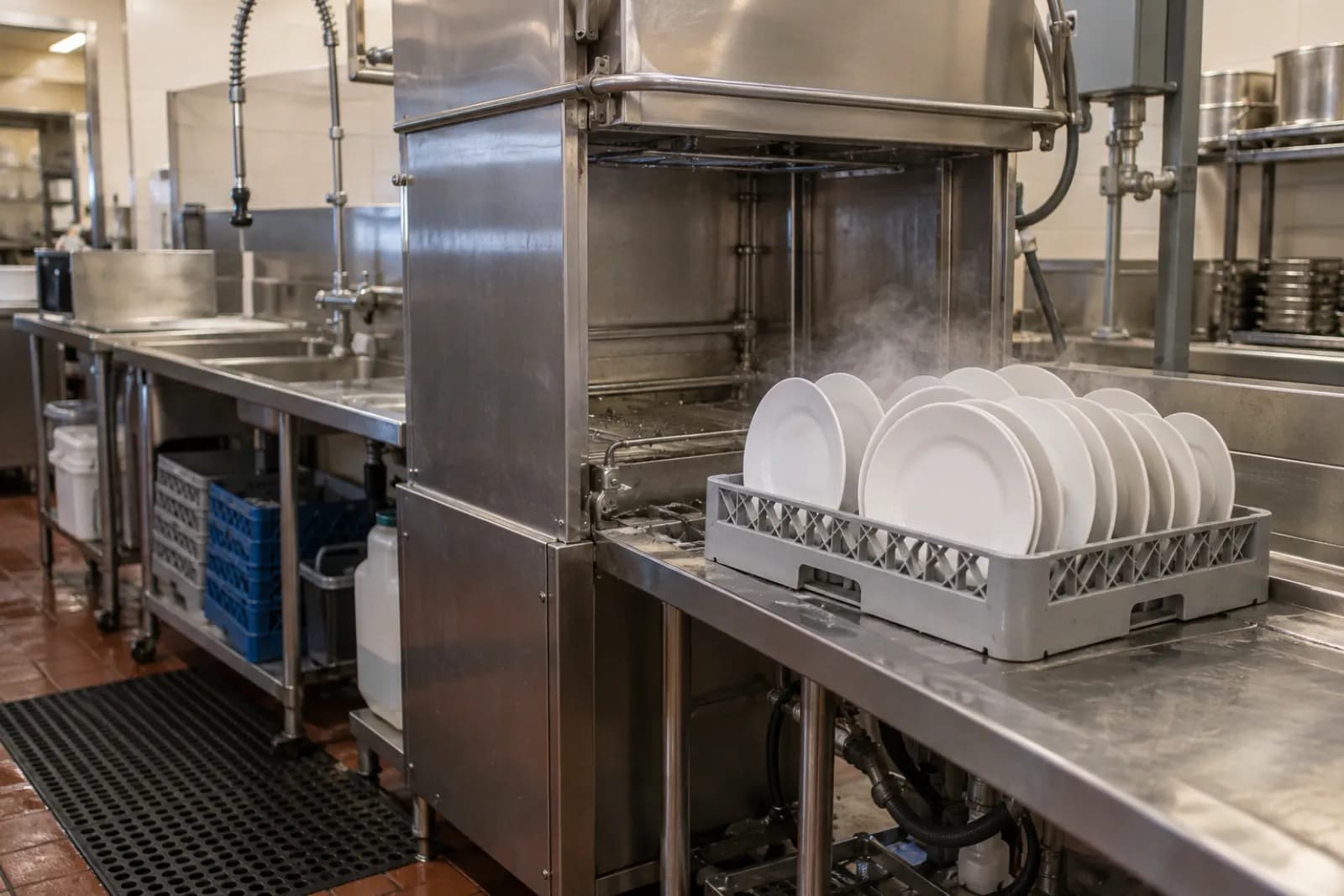
Handwashing sinks, plumbing, backflow, ventilation, lighting and approved equipment.
19 questions in the pool, free
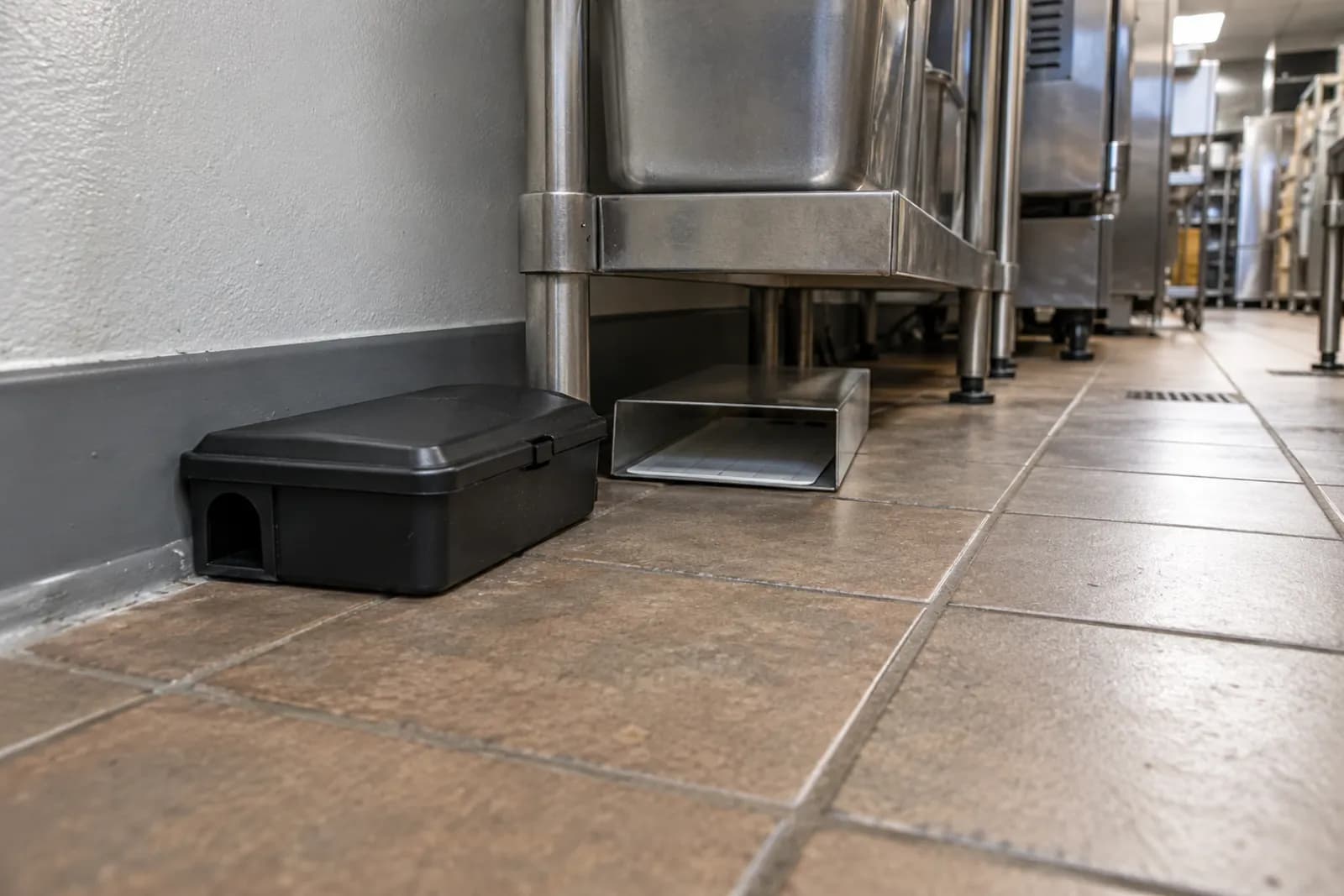
Keeping pests out, signs of an infestation, and working with a licensed operator.
18 questions in the pool, free
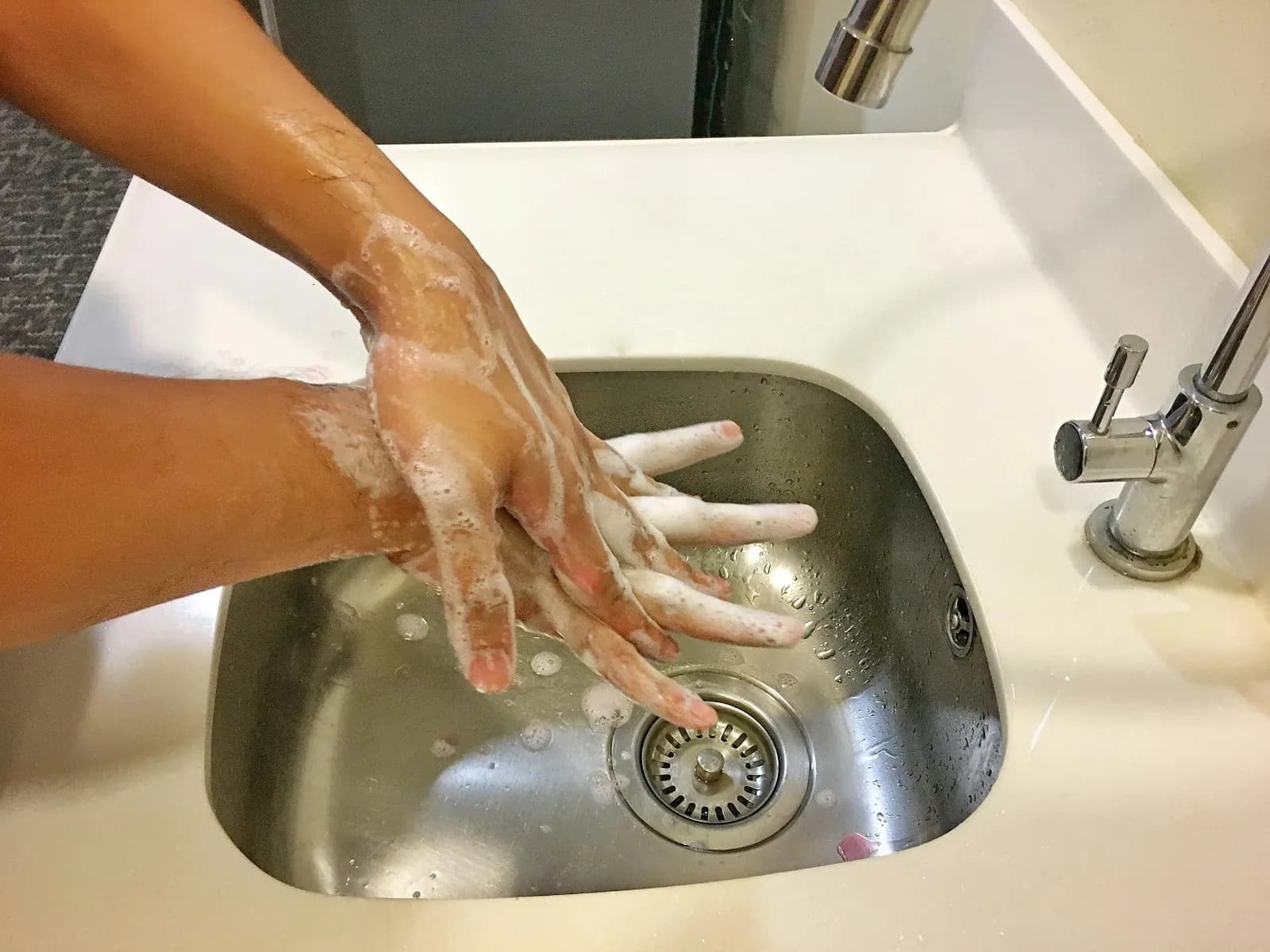
Handwashing, gloves, hair restraints, jewelry and when sick staff must stay away from food.
49 questions in the pool, free