ServSafe Food Handler: Pest control Questions
Keeping pests out is part of a food handler's daily work, even when a licensed operator handles treatment. This quiz covers what staff can see and do.
18 questions in this topic. The quiz draws 18 at a time. Free, with no sign-up.
Pest control practice quiz
- 18 questions · 30 minutes · pass mark 75%
- Answers and explanations are shown at the end, with every question to review.
Local requirements and delivery can differ, so check what your state or county asks for.
What a food handler must do
- Keep gaps closed, windows tight and doors solid and self-closing.
- Check food shipments and the building for signs of pests.
- Remove dead or trapped pests often enough that they do not build up.
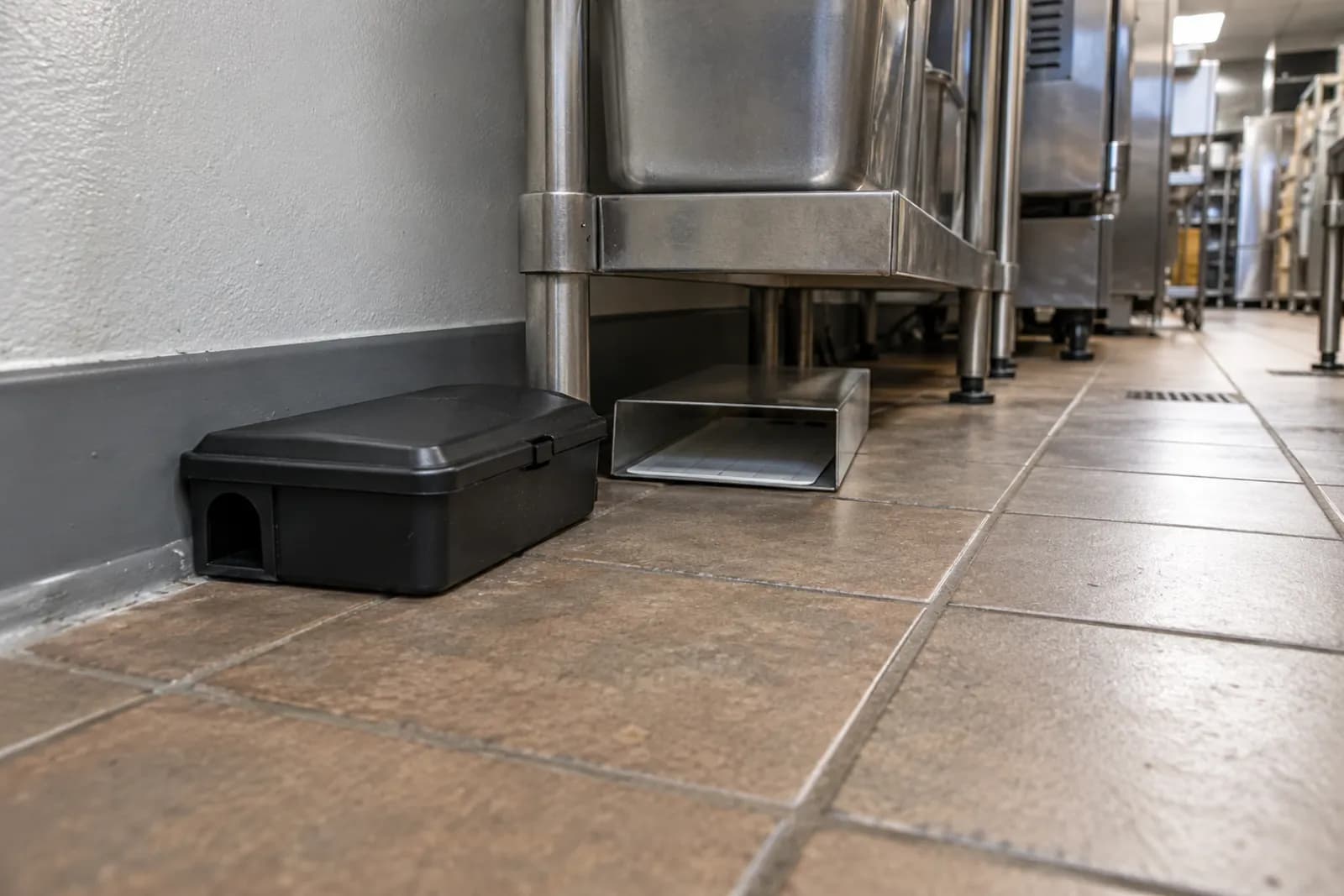
- Leave rodent bait in its covered, tamper-resistant bait station.
Source: FDA Food Code 2022, 6-202.15, 6-501.111, 6-501.112, 7-206.12
5 sample pest control questions and answers
5 of our 18 questions, with the answer and why.
1. Small insects are noticed on an incoming shipment carton. Which receiving practice is part of the model code's pest-control program?
Answer: Routinely inspect incoming food and supplies for pests
- A) Move unopened cartons directly to food shelves without looking
- B) Inspect only after the carton has been emptied into a food bin
- C) Routinely inspect incoming food and supplies for pests (correct answer)
- D) Inspect only cartons that will be opened in the dining room
Why: Routine inspection of incoming shipments is a required pest-control measure. Waiting until contents are transferred can allow pests into storage and preparation areas.
Source: FDA Food Code 2026, 6-501.111(A)
2. A worker finds dead insects accumulating in a pest-control device. What maintenance action is needed?
Answer: Remove them often enough to prevent accumulation, decomposition or pest attraction
- A) Move the accumulating insects to an open food-storage shelf
- B) Remove them often enough to prevent accumulation, decomposition or pest attraction (correct answer)
- C) Leave every dead insect until the device is completely buried
- D) Cover the device with a towel and never inspect it
Why: Dead or trapped pests must be removed at a frequency that prevents accumulation and related problems. Waiting until a device is buried does not meet that condition.
Source: FDA Food Code 2026, 6-501.112
3. During a dry-store inspection, a worker finds small pellets identified as rodent excreta beside flour sacks. What do these pellets indicate?
Answer: Evidence of rodent activity that should be reported
- A) Proof that the sacks were sanitized during delivery
- B) Normal flour dust that can be ignored once the floor is swept
- C) A reliable sign that only flying insects have been present
- D) Evidence of rodent activity that should be reported (correct answer)
Why: The FDA inspection guidance lists excreta pellets among signs of rodent contamination. Rodent excreta are contamination evidence rather than evidence of sanitizing.
Source: FDA Investigations Operations Manual 2026, Exhibit4-22, Examination and Documentation of Rodent Contamination
4. Flies are active outside, and a delivery worker leaves an ordinary exterior kitchen door propped open with no screen, air curtain or other effective barrier. What correction addresses the entry risk?
Answer: Close the door or restore an effective protected opening
- A) Close the door or restore an effective protected opening (correct answer)
- B) Keep the opening unprotected and rely only on an indoor trap
- C) Wait until flies are found on food before restoring the barrier
- D) Mop the entrance floor while leaving the opening unprotected
Why: Exterior openings must be protected against pest entry, including effective protection when kept open in these conditions. An indoor trap does not provide the required protection at the unprotected opening.
Source: FDA Food Code 2022, 6-202.15(A)(3)
5. Which applicator arrangement falls outside the model-code routes for applying a restricted-use pesticide?
Answer: An uncertified worker applies it alone without a certified applicator's direct supervision
- A) An employee with the required applicator certification applies it
- B) An uncertified worker applies it alone without a certified applicator's direct supervision (correct answer)
- C) An uncertified person applies it under the direct supervision of a certified applicator
- D) An outside applicator with the required certification performs the application
Why: A restricted-use pesticide requires a certified applicator or a person under a certified applicator's direct supervision. Employment by the establishment does not disqualify an appropriately certified applicator.
Source: FDA Food Code 2022, 7-202.12(C)
Keep practicing
Pest control closes out the topic list. Review any weak area with more food handler test questions.
Want a full 40-question paper? It is on the Food Handler Plan, $2.99 a month. compare the three monthly plans.
Studying for the other exam? Try the Manager pest control quiz.
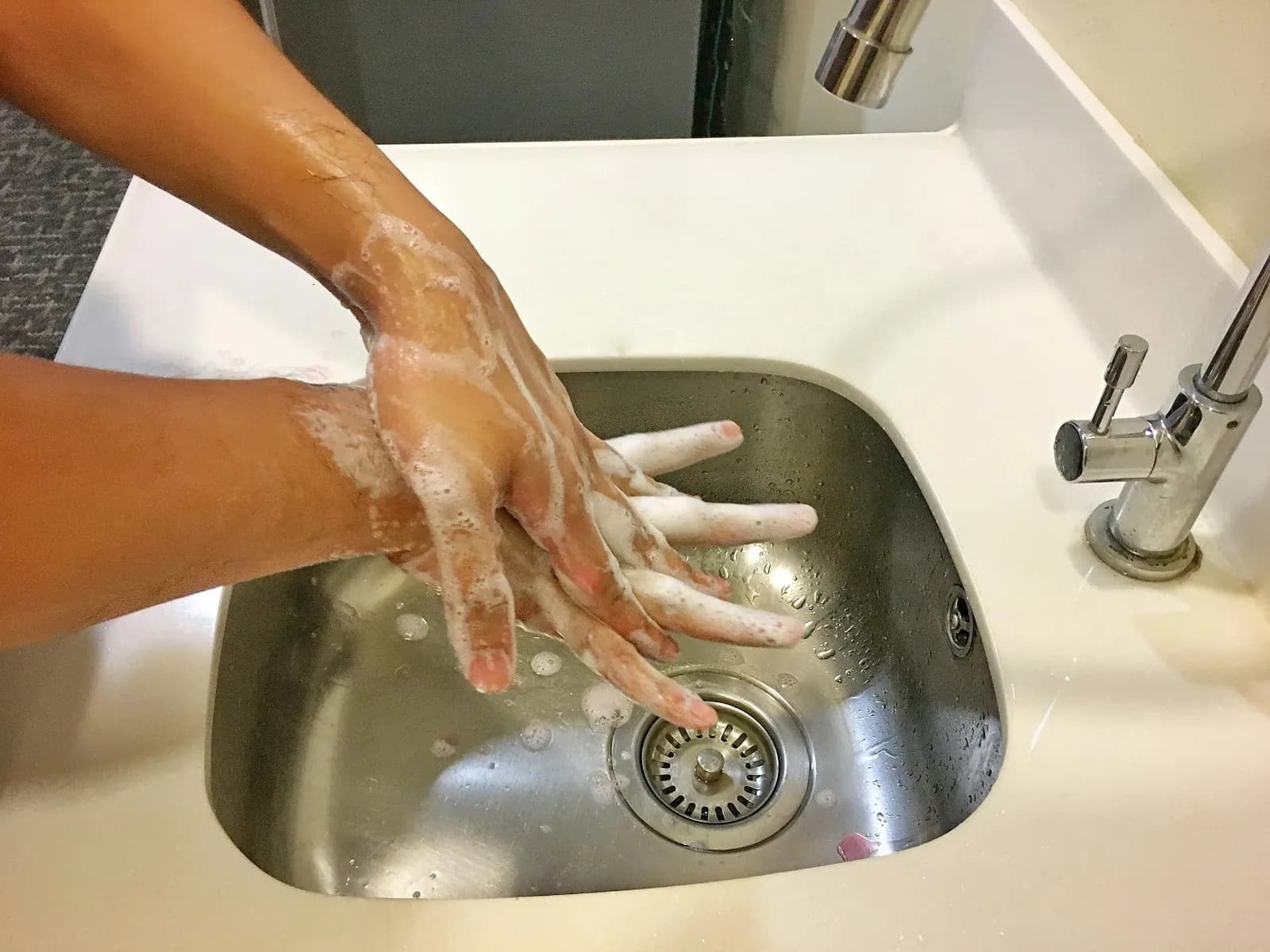
Handwashing, gloves, hair restraints, jewelry and when sick staff must stay away from food.
49 questions in the pool, free
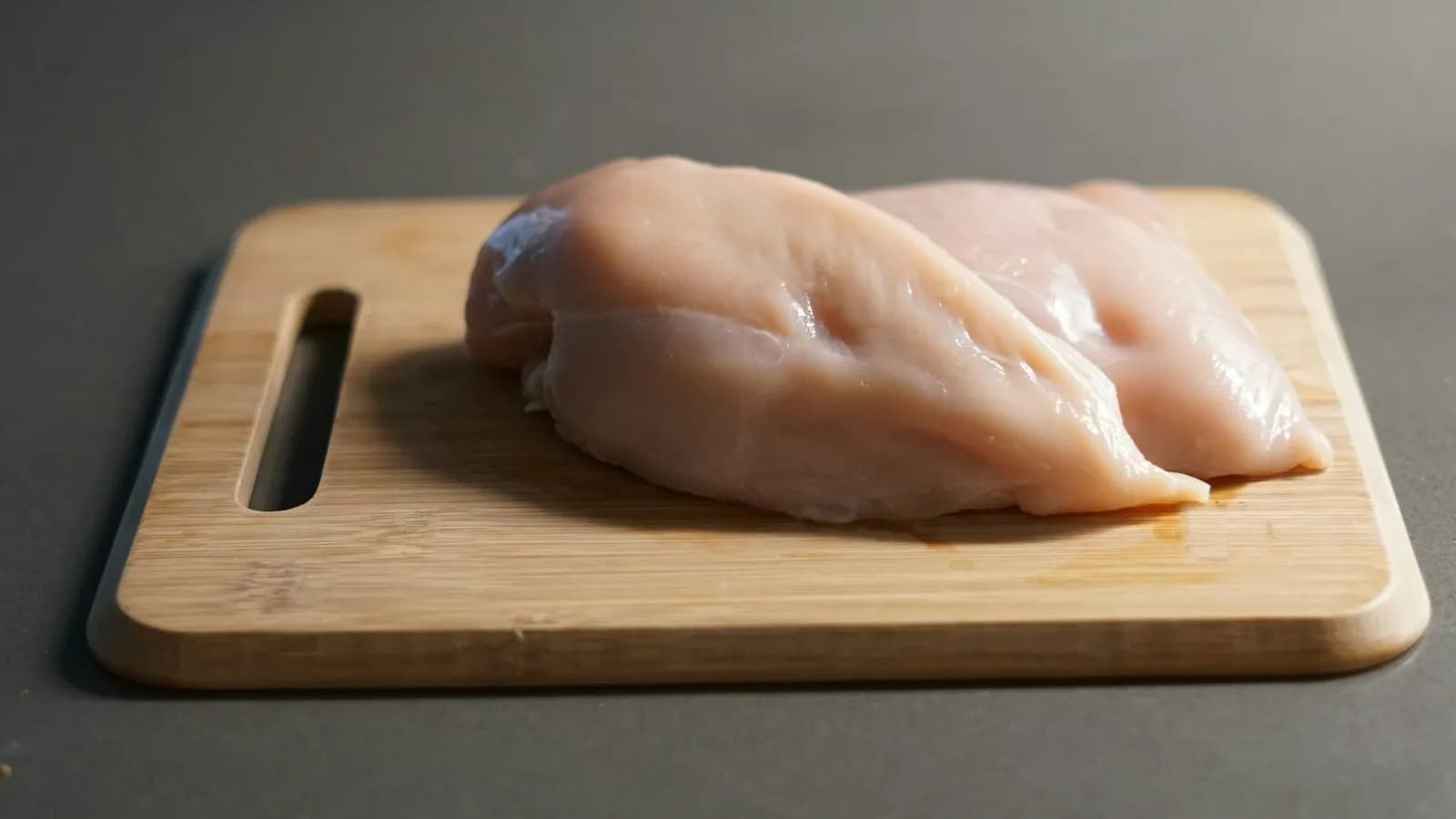
The germs behind foodborne illness, their symptoms, the foods they travel in and who is most at risk.
43 questions in the pool, free
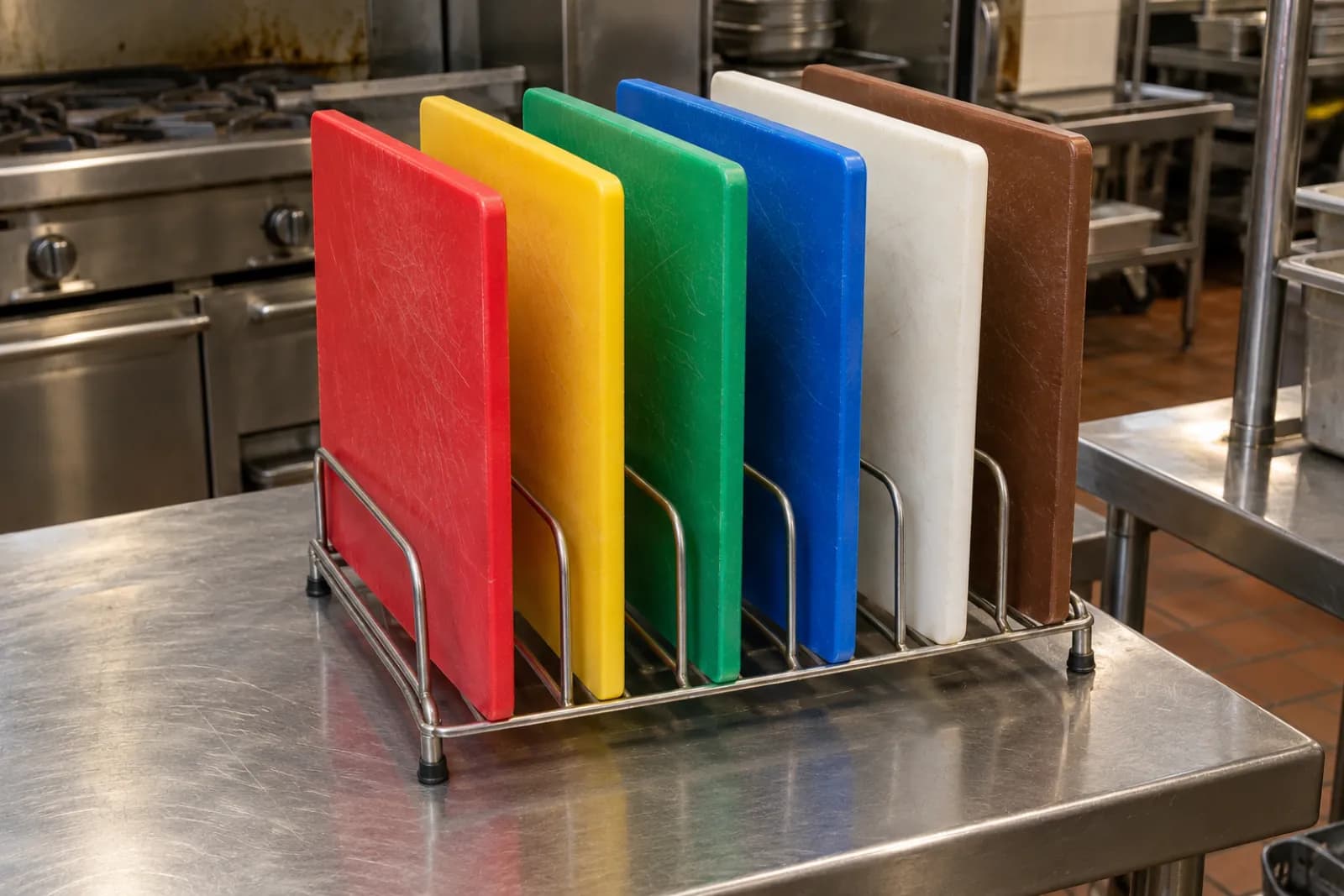
Biological, chemical and physical hazards, and how to keep raw foods and allergens apart from ready-to-eat food.
50 questions in the pool, free