ServSafe Manager: Pest control Questions
Keeping pests out, signs of an infestation, and working with a licensed operator.
27 questions in this topic. The quiz draws 20 at a time. Free, with no sign-up.
Pest control practice quiz
- 20 questions · 30 minutes · pass mark 70%
- Answers and explanations are shown at the end, with every question to review.
Key numbers
- Openings kept open for ventilation: 16 mesh to 1 inch screens, air curtains or another effective means
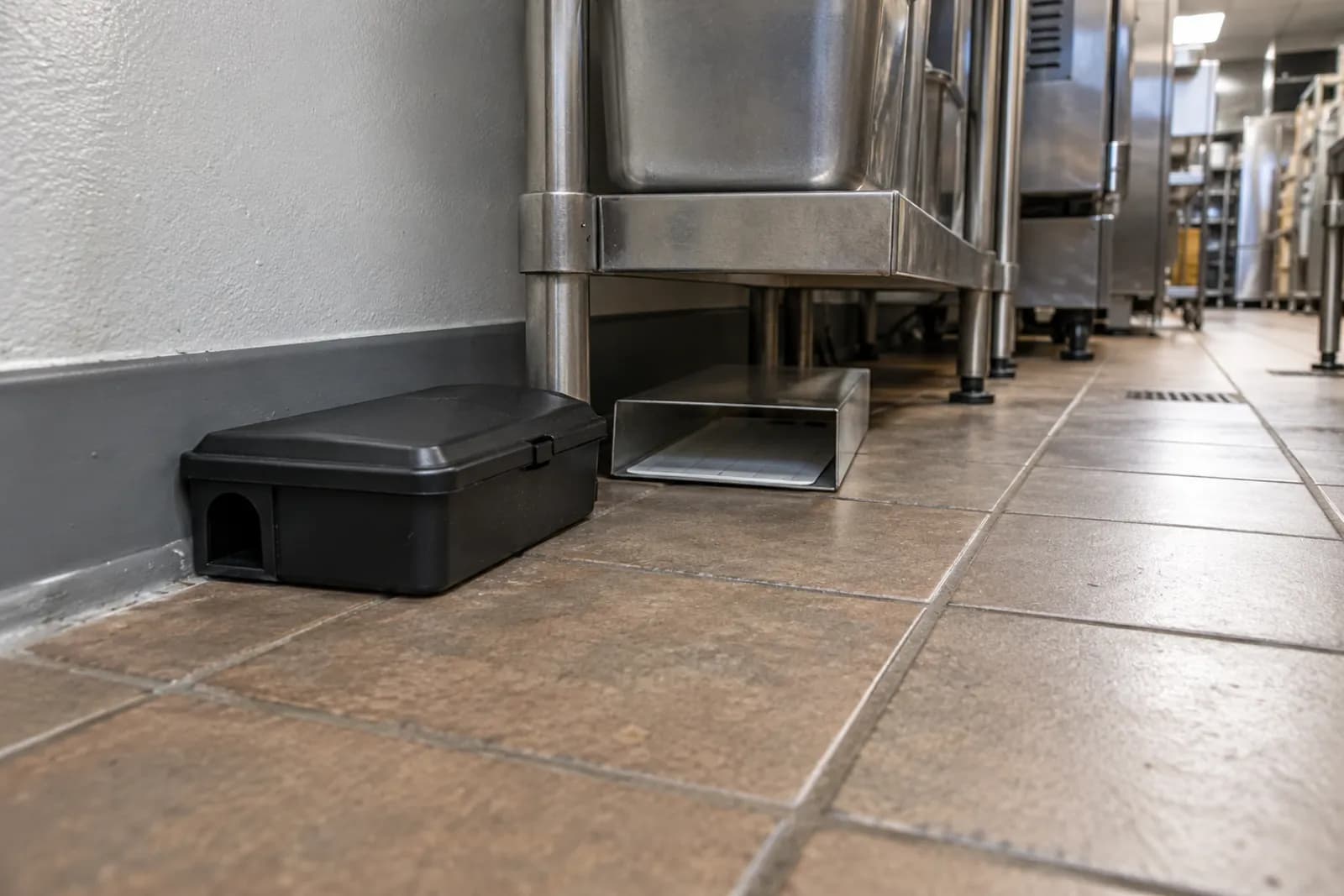
- Rodent bait: in a covered, tamper-resistant bait station
- Restricted use pesticides: a certified applicator, or someone under direct supervision
- Insect zappers: never over a food prep area
- Inspect food shipments and the building routinely for pests
Source: FDA Food Code 2022, 6-202.13, 6-202.15, 6-501.111, 7-202.12, 7-206.12
6 sample pest control questions and answers
6 of our 27 questions, with the answer and why.
1. Before accepting a delivery, a receiver notices gnawed outer cartons in a dry-goods case. Which routine pest-control step should guide the immediate assessment?
Answer: Inspect the incoming food and supply shipment for pest evidence
- A) Move the cases into the storeroom before checking them
- B) Rely only on the supplier's next scheduled warehouse inspection
- C) Inspect only the refrigerated items because dry goods do not support pests
- D) Inspect the incoming food and supply shipment for pest evidence (correct answer)
Why: Routine inspection of incoming shipments is an identified pest-control measure. Moving them inside first can introduce pest evidence or pests before the receiving check.
Source: FDA Food Code 2026, 6-501.111
2. A pest professional proposes rodent bait for an approved use at the establishment. Which containment does the FDA model code require?
Answer: A covered, tamper-resistant bait station
- A) An open tray placed behind a cabinet
- B) A cardboard carton taped shut with an entrance hole
- C) A loosely lidded food container marked for pests
- D) A covered, tamper-resistant bait station (correct answer)
Why: The stated rodent-bait requirement specifies both a cover and tamper resistance. A concealed open tray does not provide the required covered tamper-resistant containment.
Source: FDA Food Code 2026, 7-206.12
3. An operator uses a nontoxic powder to monitor a suspected pest route near stored utensils. Which limitation still applies?
Answer: Keep the powder from contaminating utensils and the other listed protected items
- A) Keep the powder from contaminating utensils and the other listed protected items (correct answer)
- B) Treat the word nontoxic as permission to dust clean utensils
- C) Allow powder on wrapped straws because they are single-use
- D) Allow powder to collect on clean linen because it can be washed later
Why: Nontoxic tracking powder still must not contaminate food-service items. The nontoxic exception does not permit contaminating utensils.
Source: FDA Food Code 2026, 7-206.13
4. A kitchen keeps an outside window open for ventilation where flying insects are present. If screening is the chosen protective method, which specification matches the listed model-code option?
Answer: 16-mesh screening per inch
- A) 16-mesh screening per inch (correct answer)
- B) 8-mesh screening per inch
- C) 12-mesh screening per inch
- D) 4-mesh screening per inch
Why: The listed screening method is 16 mesh per inch. Eight mesh per inch does not match the specified insect-exclusion screen option.
Source: FDA Food Code 2026, 6-202.15
5. An outdoor refuse container has a tight lid, but its drain opening is left unplugged after washing. Which correction addresses the separate drain requirement?
Answer: Put the drain plug in place
- A) Leave it unplugged whenever the lid is tight
- B) Plug it only after pests are seen entering
- C) Cover the opening with loose paper instead of replacing the plug
- D) Put the drain plug in place (correct answer)
Why: The drain plug must be in place independently of the lid. A tight lid does not correct an open drain opening.
Source: FDA Food Code 2022, 5-501.114
6. A sack of flour in dry storage has a gnawed hole, and rodent droppings are on the sack and mixed into the flour. What should happen to the flour next?
Answer: Discard it as contaminated food
- A) Sift out the droppings and use it in baked goods
- B) Discard it as contaminated food (correct answer)
- C) Tape the hole closed and use that flour first
- D) Move it to a higher shelf until the pests are controlled
Why: Food contaminated by rodents is adulterated, and the Food Code requires adulterated food to be discarded or reconditioned only by an approved procedure. Sifting it or using it first is not an approved procedure.
Source: FDA Food Code 2022, 3-701.11(A)
Keep practicing
Pest control is a short quiz, so add another topic from our ServSafe Manager exam practice page in the same sitting.
Ready for a full paper? Try the free 90-question ServSafe practice test.
Studying for the other exam? Try the Food Handler pest control quiz.
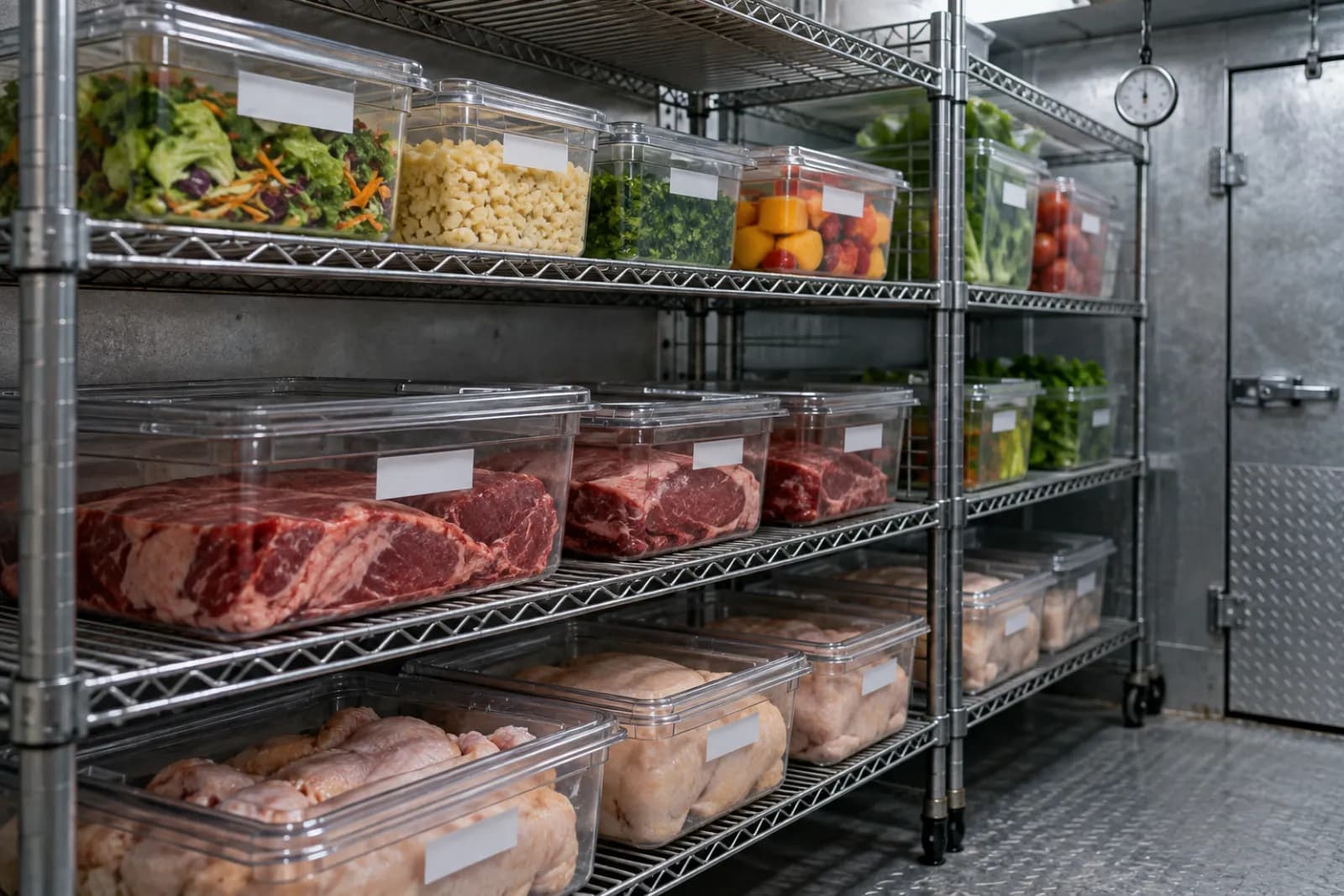
The Food Code, health inspections, priority items, imminent health hazards and reporting duties.
38 questions in the pool, free
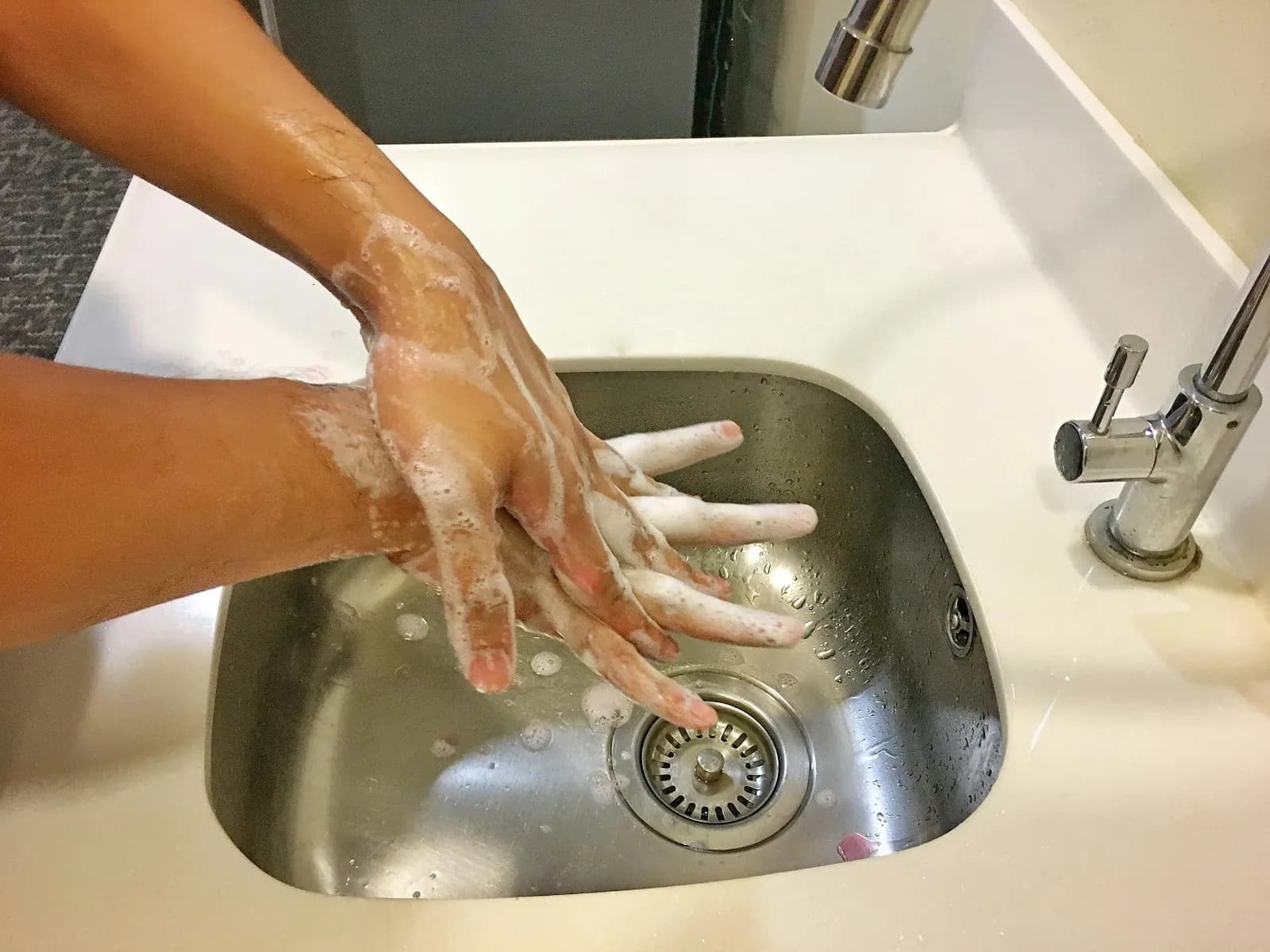
Handwashing, gloves, hair restraints, jewelry and when sick staff must stay away from food.
48 questions in the pool, free
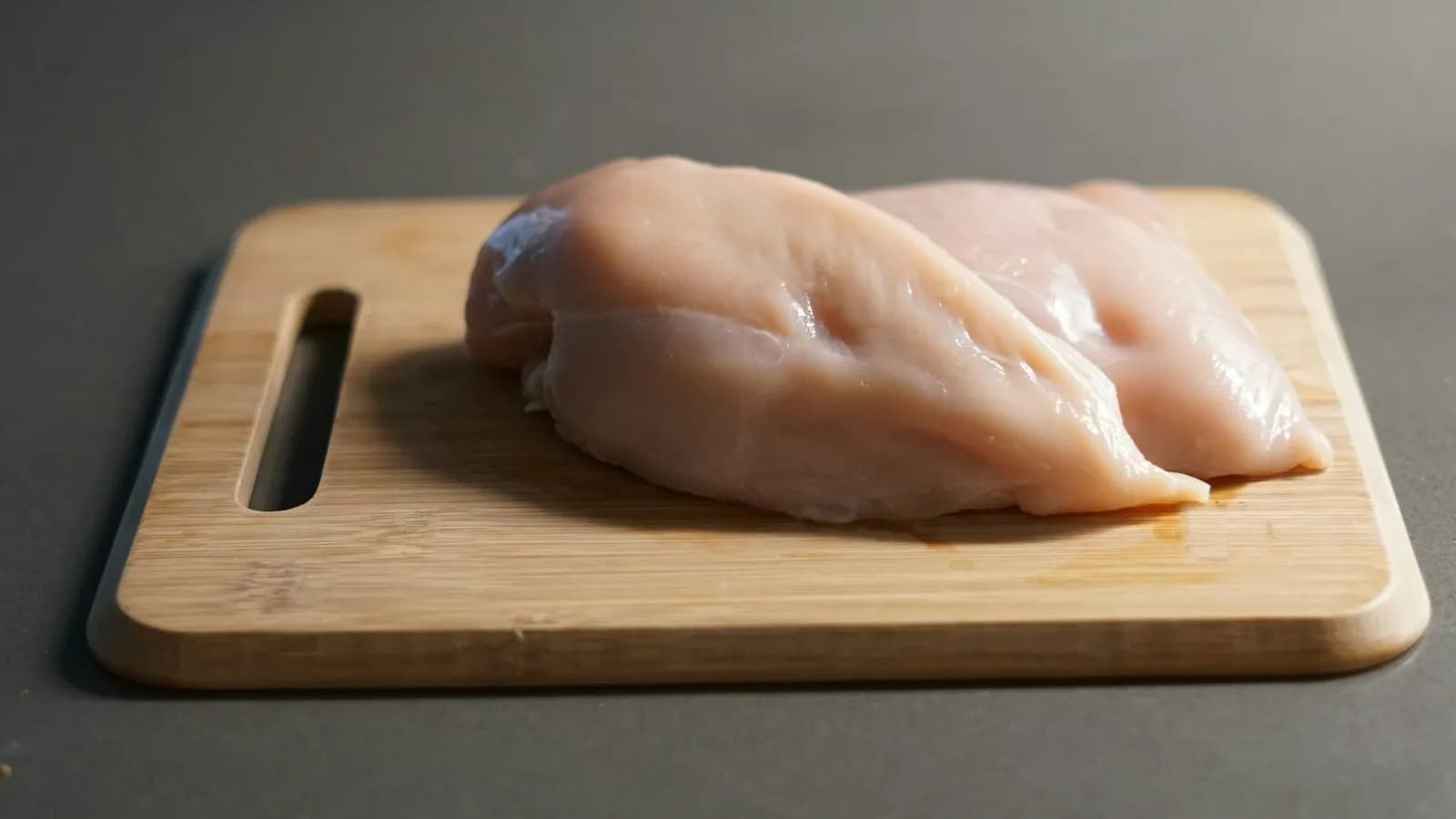
The germs behind foodborne illness, their symptoms, the foods they travel in and who is most at risk.
82 questions in the pool, free