ServSafe Food Handler: Personal hygiene Questions
Handwashing, gloves, hair restraints, jewelry and when sick staff must stay away from food.
49 questions in this topic. The quiz draws 20 at a time. Free, with no sign-up.
Personal hygiene practice quiz
- 20 questions · 30 minutes · pass mark 75%
- Answers and explanations are shown at the end, with every question to review.
Local requirements and delivery can differ, so check what your state or county asks for.
Key numbers
- Handwashing: at least 20 seconds in all
- Scrubbing with soap: at least 10 to 15 seconds
- Jewelry on hands and arms while preparing food: a plain ring only
- Nail polish or fake nails with exposed food: only under intact gloves
Source: FDA Food Code 2022, 2-301.12, 2-302.11, 2-303.11, 6-301.12
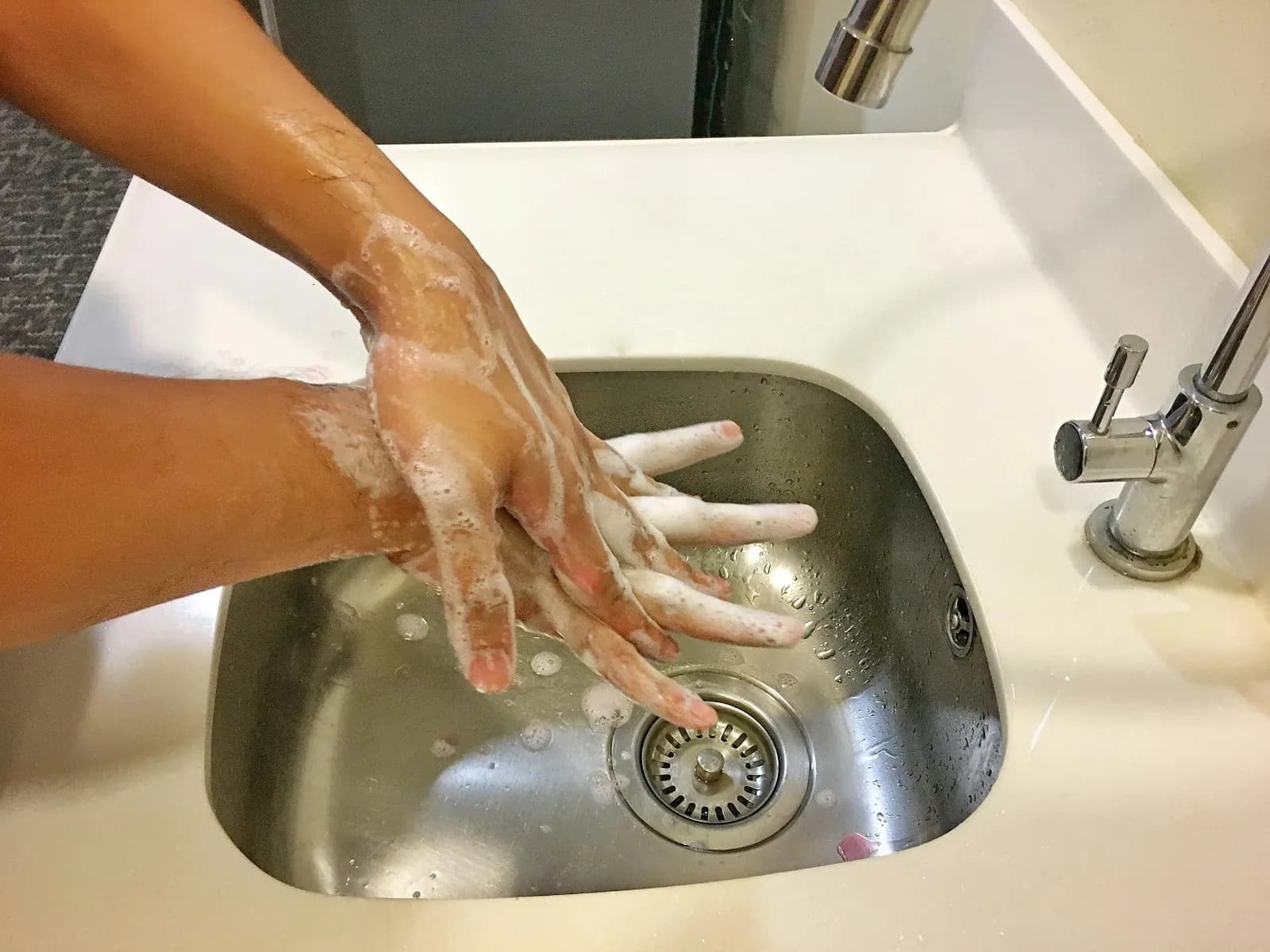
What are the hand washing steps?
Rinse with clean, warm running water. Add soap. Scrub hands and arms for 10 to 15 seconds. Rinse well. Dry with a paper towel or hand dryer. The full wash takes at least 20 seconds.
10 sample personal hygiene questions and answers
10 of our 49 questions, with the answer and why.
1. Flour covers a baker's wrists as well as the palms. Which areas belong in the handwashing procedure?
Answer: Hands and the exposed parts of the arms
- A) Hands and the exposed parts of the arms (correct answer)
- B) Palms only because flour is dry
- C) Fingertips only before gloves are put on
- D) Gloves only if the baker will wear them
Why: Clean the hands and exposed arms, including soiled wrists. Washing only the palms leaves other contaminated skin untreated.
Source: FDA Food Code 2026, 2-301.11
2. A sandwich worker rubs the palms but leaves the spaces between fingers untouched. Which correction addresses the missed part?
Answer: Create friction between fingers and over fingertips
- A) Create friction between fingers and over fingertips (correct answer)
- B) Add gloves without changing the washing motion
- C) Rinse only the backs of the hands
- D) Use more paper towels instead of rubbing
Why: Friction must reach fingertips and the spaces between fingers. Adding gloves does not complete an incomplete wash.
Source: FDA Food Code 2026, 2-301.12(B)(3)(b)
3. A food employee uses the restroom during a break. What is required before resuming kitchen tasks?
Answer: Wash hands after using the toilet room
- A) Wash only if the restroom appears dirty
- B) Wash hands after using the toilet room (correct answer)
- C) Wait until the next scheduled handwashing reminder
- D) Use a fresh apron in place of handwashing
Why: The employee must wash after using the toilet room. Restroom appearance does not change that requirement.
Source: FDA Food Code 2026, 2-301.14(B)
4. At the start of a food task, what must a worker do before putting on the first pair of gloves?
Answer: Wash hands
- A) Put fresh gloves over unwashed hands
- B) Wash only the outside of the gloves
- C) Wash hands (correct answer)
- D) Use hand antiseptic instead of washing
Why: Hands must be washed before gloves are donned to start a food task. Fresh gloves do not remove that handwashing requirement.
Source: FDA Food Code 2026, 2-301.14(H)
5. What fingernail condition helps a food employee clean the hands effectively?
Answer: Trimmed, filed nails with cleanable edges and surfaces
- A) Long nails left in place as long as the palms look clean
- B) Rough nail edges left unfiled if soap is available
- C) Nail edges covered with polish instead of being maintained
- D) Trimmed, filed nails with cleanable edges and surfaces (correct answer)
Why: Fingernails must be trimmed, filed and maintained so they are cleanable and not rough. Rough edges defeat that required condition.
Source: FDA Food Code 2026, 2-302.11(A)
6. A cook wants a drink during service. Which choice follows the closed-container allowance?
Answer: Use a closed beverage container handled to prevent contamination
- A) Use a closed beverage container handled to prevent contamination (correct answer)
- B) Leave an open mug above the exposed salad bowls
- C) Set a glass on a cutting board and touch the rim during prep
- D) Share an uncovered cup with the prep team
Why: The closed-container allowance depends on handling that prevents contamination of hands, the container and protected items. An open mug does not meet the closed-container condition.
Source: FDA Food Code 2026, 2-401.11(B)
7. A disposable glove develops a small puncture while portioning deli meat. What should the worker do with that glove?
Answer: Discard the damaged glove
- A) Rinse it and reserve it for ready-to-eat food
- B) Discard the damaged glove (correct answer)
- C) Tape the hole and continue portioning
- D) Wear it until liquid leaks through
Why: Damaged single-use gloves must be discarded. Taping a puncture does not restore the required glove condition.
Source: FDA Food Code 2026, 3-304.15(C)
8. A worker puts hand antiseptic on hands still coated with dough. What correction should come before a food task resumes?
Answer: Perform the proper soap-and-water cleaning procedure
- A) Dust the hands with flour to absorb moisture
- B) Wear loose gloves over the dough without washing
- C) Perform the proper soap-and-water cleaning procedure (correct answer)
- D) Apply a thicker layer of antiseptic over the dough
Why: Antiseptic is applied only to properly cleaned hands. Adding more product over dough does not meet the cleaning prerequisite.
Source: FDA Food Code 2026, 2-301.16(A)(3)
9. A worker chews gum while portioning exposed ready-to-eat food and says gum is outside the eating restriction. What does the model-code definition establish?
Answer: Chewing gum is included in food, so this activity does not escape the protected-area eating rule
- A) Gum is excluded from food because workers do not swallow it
- B) Chewing gum is included in food, so this activity does not escape the protected-area eating rule (correct answer)
- C) Gum is permitted in every food-preparation area if it contains no sugar
- D) Only gum containing a major allergen counts as food
Why: The definition of food includes chewing gum and the eating rule protects exposed food and clean service items. The definition explicitly includes chewing gum.
Source: FDA Food Code 2022, 1-201.10(B), Food
10. After an employee reports an infected, draining wound on a leg rather than a hand, wrist or exposed arm, which bandage condition is specifically named for that other body area?
Answer: A dry, durable, tight-fitting bandage covering the lesion
- A) A dry, durable, tight-fitting bandage covering the lesion (correct answer)
- B) A damp bandage that remains tightly fitted
- C) A dry dressing that regularly slips away from the wound
- D) A loose cloth laid over the wound under clothing
Why: The other-body-parts condition specifies a dry durable tight-fitting bandage. A damp dressing does not meet the specified dry-bandage condition.
Source: FDA Food Code 2022, 2-201.11(A)(1)(e)(iii)
Keep practicing
Now that you have practiced handwashing and gloves, pick your next set of ServSafe Food Handler practice questions.
Want a full 40-question paper? It is on the Food Handler Plan, $2.99 a month. compare the three monthly plans.
Studying for the other exam? Try the Manager personal hygiene quiz.
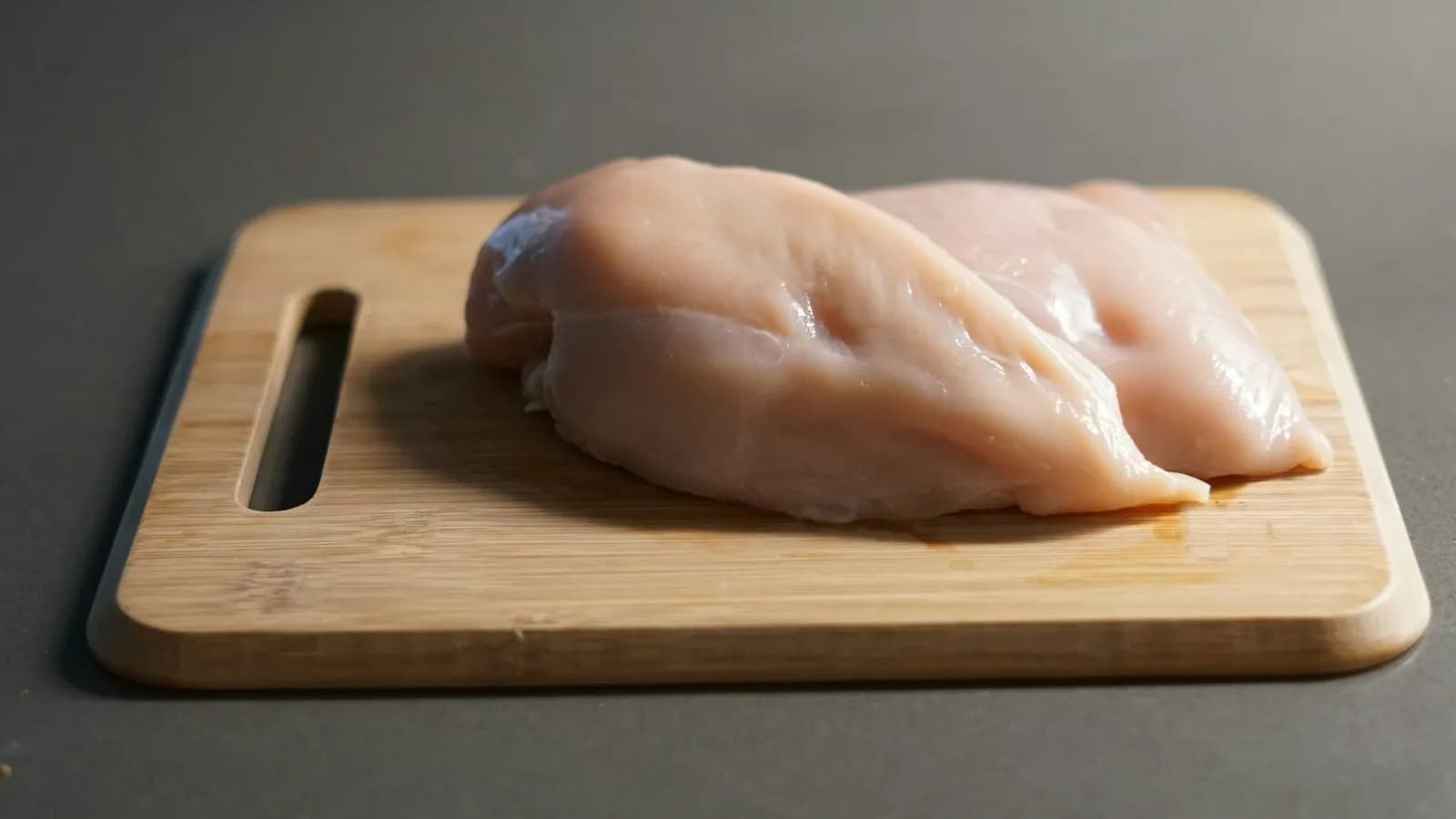
The germs behind foodborne illness, their symptoms, the foods they travel in and who is most at risk.
43 questions in the pool, free
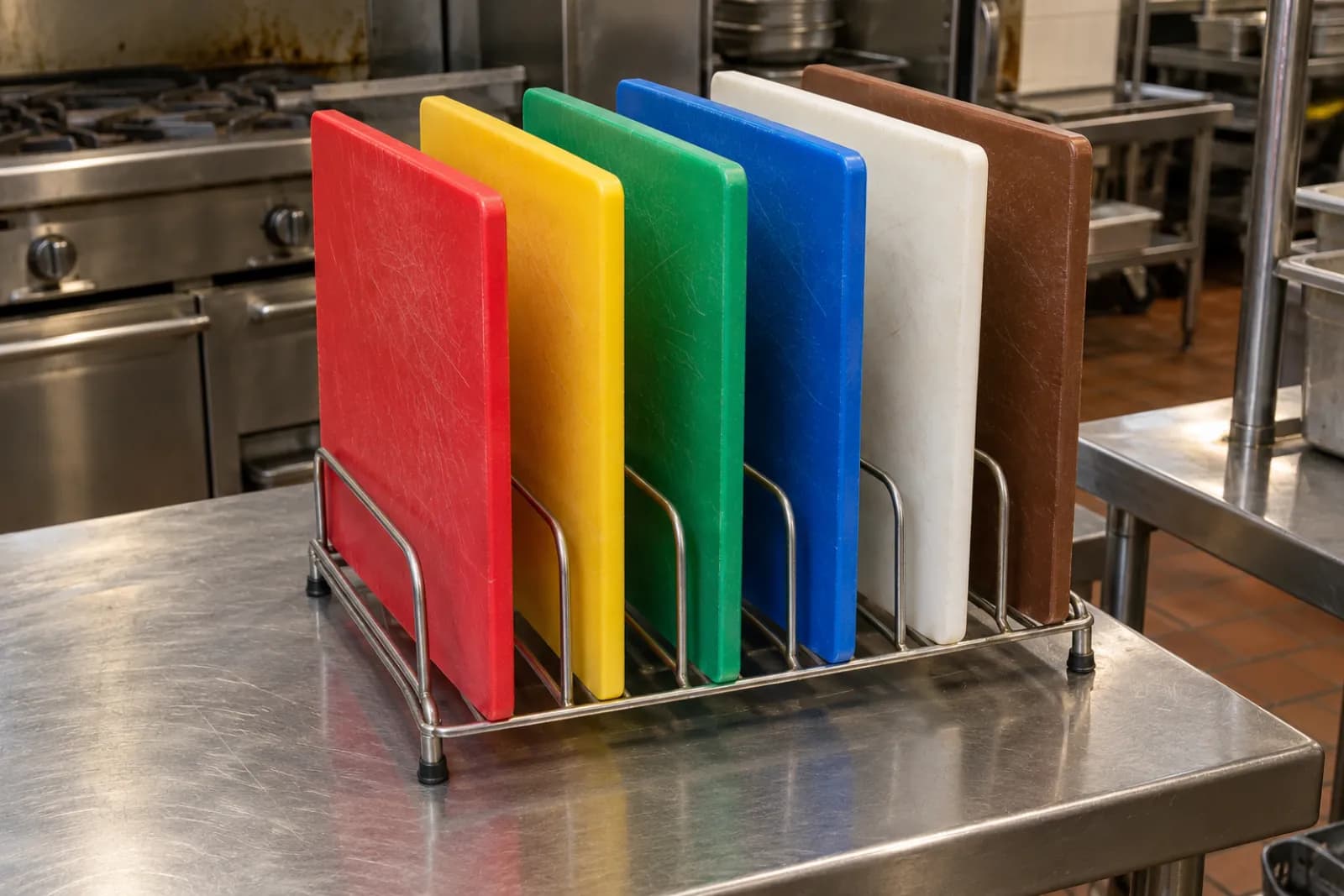
Biological, chemical and physical hazards, and how to keep raw foods and allergens apart from ready-to-eat food.
50 questions in the pool, free
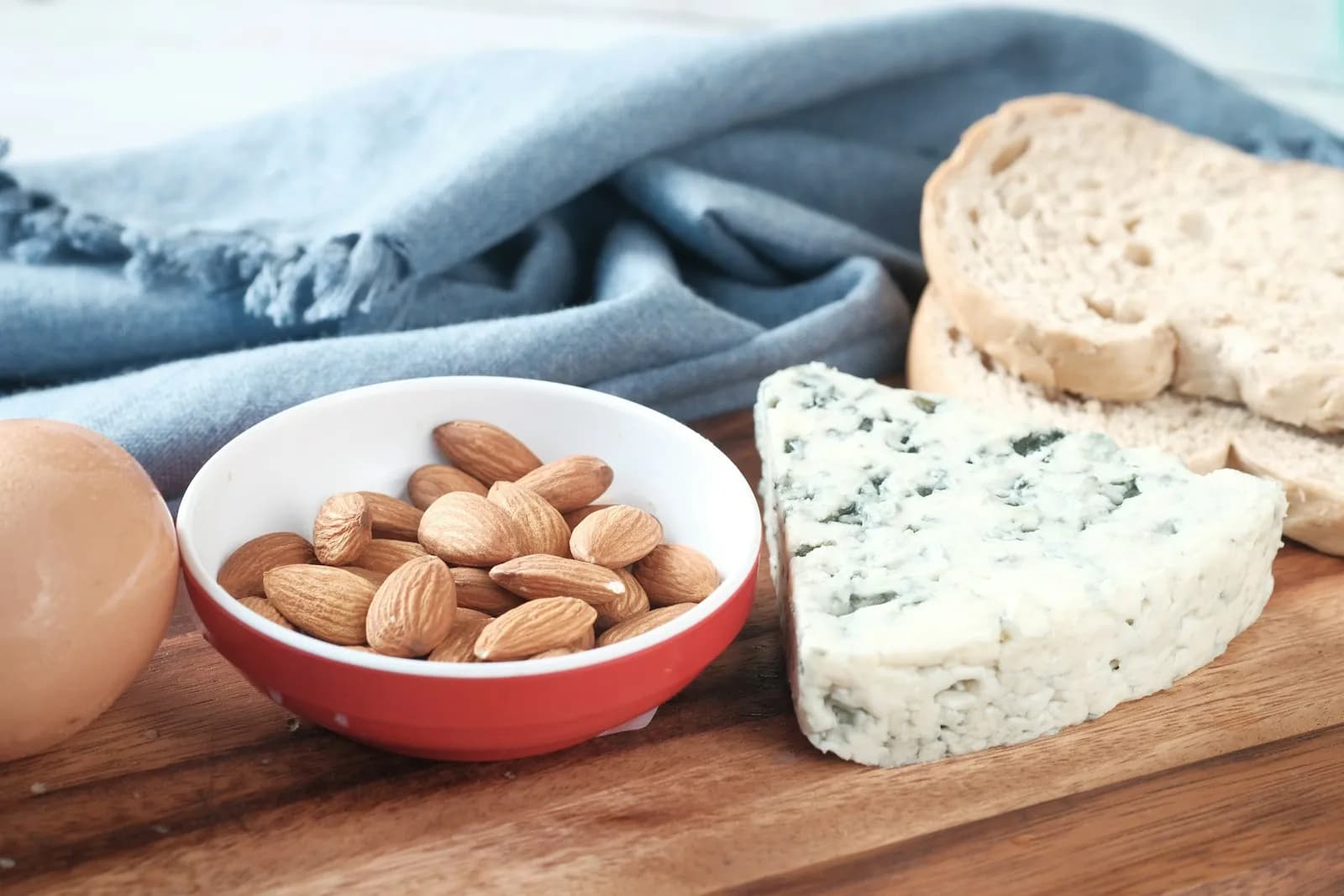
The nine major US allergens, label reading, cross-contact and talking with guests about their allergies.
27 questions in the pool, free