ServSafe Manager: Contamination and cross-contact Questions
Biological, chemical and physical hazards, and how to keep raw foods and allergens apart from ready-to-eat food.
50 questions in this topic. The quiz draws 20 at a time. Free, with no sign-up.
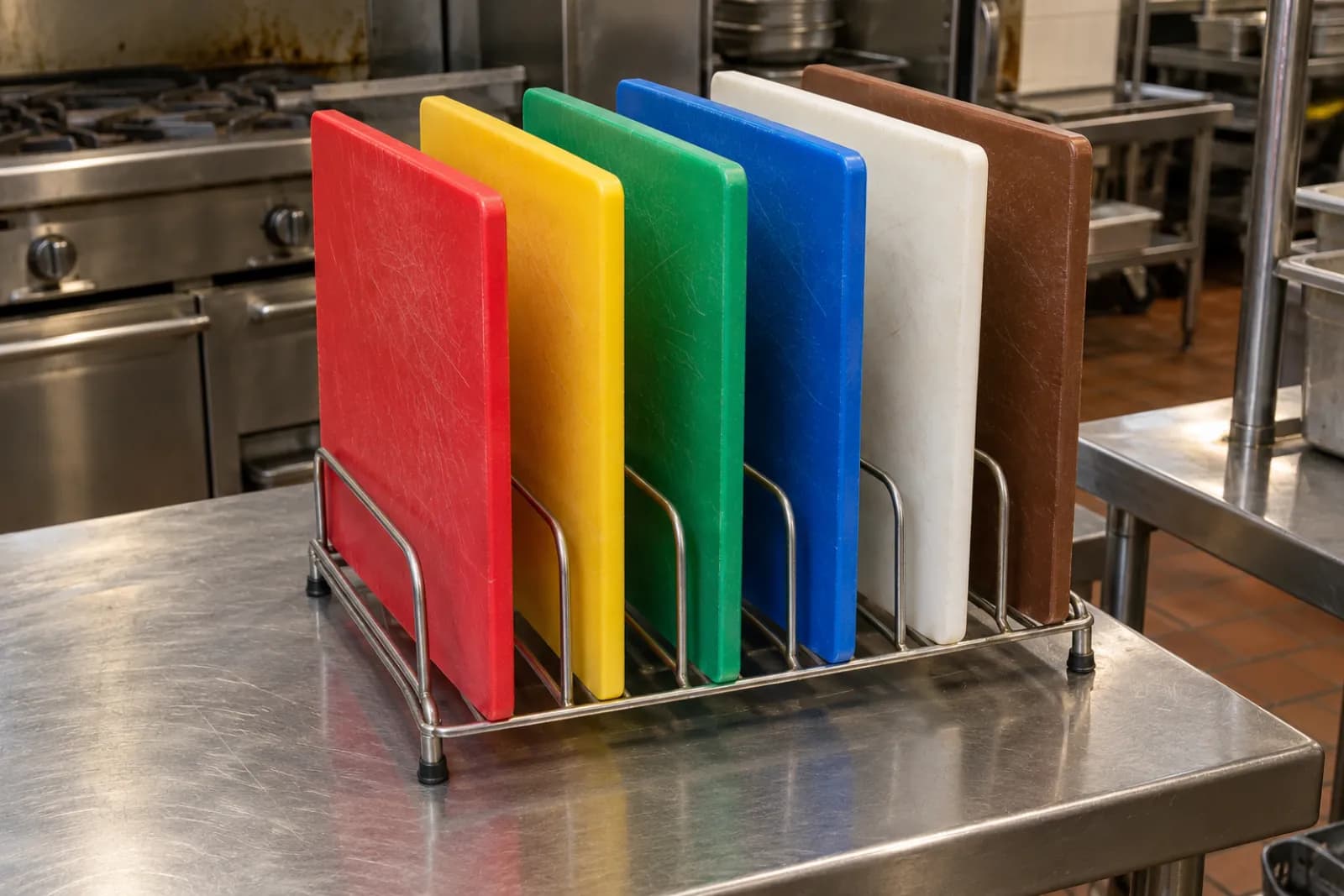
Contamination and cross-contact practice quiz
- 20 questions · 30 minutes · pass mark 70%
- Answers and explanations are shown at the end, with every question to review.
Key numbers
- Keep raw animal food apart from ready-to-eat food in storage, prep, holding and display
- Clean food-contact surfaces each time you change from raw to ready-to-eat food
- Food-contact surfaces used with TCS food: clean at least every 4 hours
- Ready-to-eat food: use utensils or gloves, and no bare hands
- Store chemicals apart from food and not above it
Source: FDA Food Code 2022, 3-302.11, 3-301.11, 4-602.11, 7-201.11
10 sample contamination and cross-contact questions and answers
10 of our 50 questions, with the answer and why.
1. Raw poultry is being prepared beside uncovered cooked rice intended for service. Which separation principle should the manager enforce?
Answer: Protect the ready-to-eat rice from the raw animal food
- A) Separate only after both pans enter the cooler
- B) Protect the ready-to-eat rice from the raw animal food (correct answer)
- C) Rely on the rice having been cooked earlier
- D) Place both foods in a larger shared tray
Why: Raw animal food must be separated from cooked ready-to-eat food during preparation. The separation requirement also applies during preparation.
Source: FDA Food Code 2026, 3-302.11
2. A cook tastes a sauce, returns the same unprocessed spoon to the batch, then tastes again. Which limitation is violated?
Answer: Do not use that utensil for another taste without proper processing
- A) Use it repeatedly if the same cook holds it
- B) Rinse it briefly in the food being cooked
- C) Do not use that utensil for another taste without proper processing (correct answer)
- D) Use it until the recipe changes
Why: The tasting rule prohibits using a utensil more than once to taste service food. The same worker can still transfer mouth contamination.
Source: FDA Food Code 2026, 3-301.12
3. Ice has been used around the outside of beverage cans in a display. What restriction applies to that ice afterward?
Answer: Do not use it in drinks or as food
- A) Use it in drinks if the cans looked clean
- B) Mix it with fresh drink ice
- C) Save it for blending into customer smoothies
- D) Do not use it in drinks or as food (correct answer)
Why: Exterior-coolant ice may not later be used as food. Appearance does not remove the exterior-coolant restriction.
Source: FDA Food Code 2026, 3-303.11
4. What must ready-to-eat self-service food have to protect it during guest dispensing?
Answer: Suitable utensils or an effective protective dispensing method
- A) Suitable utensils or an effective protective dispensing method (correct answer)
- B) Only an ingredient card
- C) Only clean dining chairs nearby
- D) Only a restaurant opening-time sign
Why: The self-service rule requires effective protected dispensing. Ingredient information does not provide a dispensing barrier.
Source: FDA Food Code 2026, 3-306.13
5. A buyer wants to use hand-painted decorative mugs for beverages. What must be verified beyond their appearance?
Answer: That their food-contact lead levels meet the applicable utensil-category limits
- A) That a clear surface glaze looks intact, without checking lead suitability
- B) That the mugs were sold in a gift shop rather than an equipment store
- C) That their food-contact lead levels meet the applicable utensil-category limits (correct answer)
- D) That the mugs will be used only for hot beverages
Why: Decorative food-contact ceramics must be lead-free or meet the applicable lead limits. An intact appearance alone does not establish the applicable lead limits.
Source: FDA Food Code 2022, 4-101.13
6. A contractor routes a liquid-waste drain line through a restaurant's ice storage bin. What change is needed?
Answer: Reroute the liquid-waste line outside the ice machine and bin
- A) Leave it if the waste pipe looks clean on the outside
- B) Permit it if ice is made on site rather than delivered
- C) Reroute the liquid-waste line outside the ice machine and bin (correct answer)
- D) Keep the route after insulating the pipe and passing a leak test
Why: Liquid-waste drain lines may not pass through either ice equipment location. Exterior appearance does not remove the routing prohibition.
Source: FDA Food Code 2022, 4-204.17
7. Besides the required protected container, what placement condition applies to the specified refrigerated medicines, including those stored at a day-care facility?
Answer: They must be inaccessible to children
- A) They may be reachable if the medicine container has a readable label
- B) They must be inaccessible to children (correct answer)
- C) They may be reachable if stored away from desserts
- D) They may be placed on any low shelf if the cap is normally closed
Why: The refrigerated-medicine provision expressly requires inaccessibility to children. A label does not satisfy the child-access restriction.
Source: FDA Food Code 2022, 7-207.12
8. A customer says a returned multiuse food container is already clean. What staff verification remains necessary before ordinary refilling?
Answer: A food employee visually inspects it for the required condition
- A) No inspection if the customer is a regular
- B) A food employee visually inspects it for the required condition (correct answer)
- C) Only verifying that the container is empty
- D) Only checking that the exterior has no visible dirt
Why: The update requires employee visual inspection rather than customer assurance alone. Customer familiarity does not remove the inspection condition.
Source: Supplement to the 2022 FDA Food Code, 3-304.17
9. A diner asks for more coffee in the same reusable mug. The server can pour without the pitcher touching the mug's lip-contact area. Which next step fits the specific drink-refill exception?
Answer: The server may refill that consumer's mug while preventing that contact
- A) Require a replacement mug solely because the consumer has already used it
- B) Use the drink-refill exception to refill the consumer's soiled soup bowl as well
- C) The server may refill that consumer's mug while preventing that contact (correct answer)
- D) Touch the pitcher to the mug's rim to steady the pour
Why: The server may use the drink-refill exception for this consumer's mug while preventing lip-area contact. The same exception does not authorize serving another food portion in a soiled soup bowl.
Source: FDA Food Code 2022, 3-304.16
10. A storage plan for separate menu items puts unwashed vegetables where they can contact raw animal food. The manager says separation can wait because the vegetables will be washed later. What correction follows the food-separation rule?
Answer: Separate the raw animal food from the vegetables before washing
- A) Keep them together until the produce-washing step begins
- B) Separate the raw animal food from the vegetables before washing (correct answer)
- C) Separate them only after the vegetables become ready-to-eat portions
- D) Keep shared storage whenever both foods meet their refrigeration limits
Why: Raw animal food must be separated from fruits and vegetables before they are washed. Planning a later wash does not authorize raw-animal-food contact during storage.
Source: FDA Food Code 2022, 3-302.11(A)(1)
Keep practicing
For your next set of ServSafe Manager test questions, try the topics on hygiene and cleaning.
Ready for a full paper? Try the free 90-question ServSafe practice test.
Studying for the other exam? Try the Food Handler contamination and cross-contact quiz.
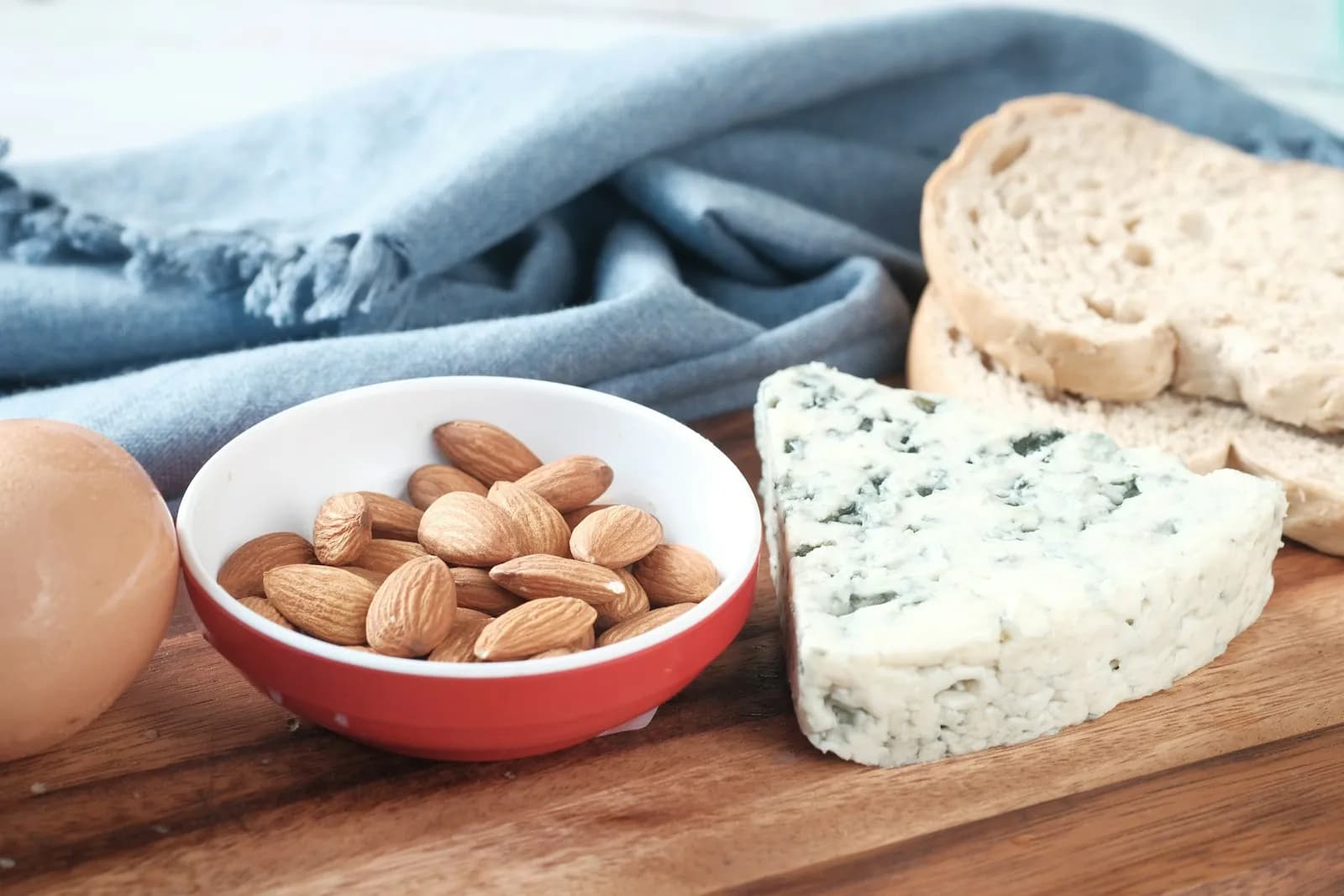
The nine major US allergens, label reading, cross-contact and talking with guests about their allergies.
29 questions in the pool, free
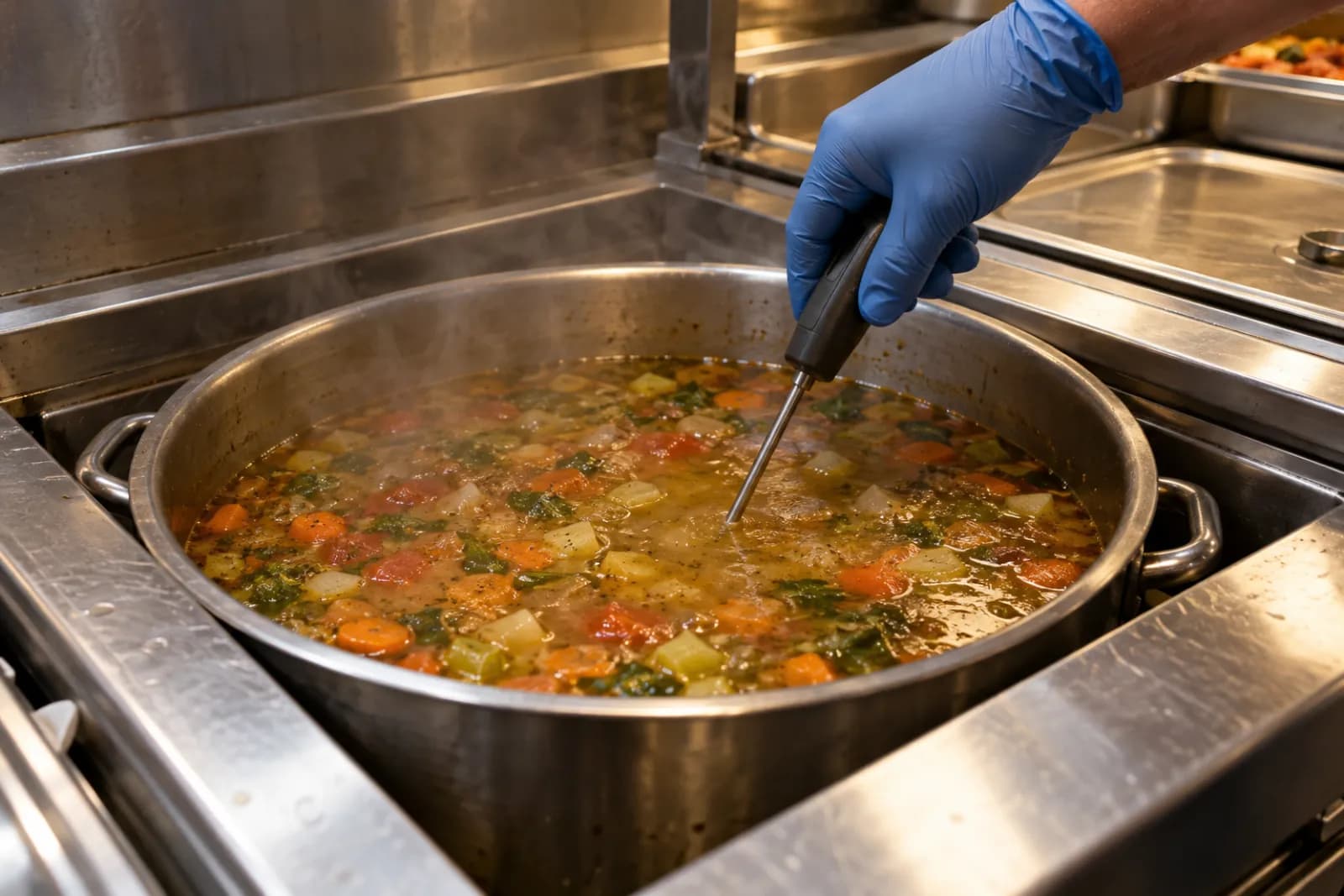
Active managerial control, the seven HACCP principles, critical limits and corrective actions.
67 questions in the pool, free
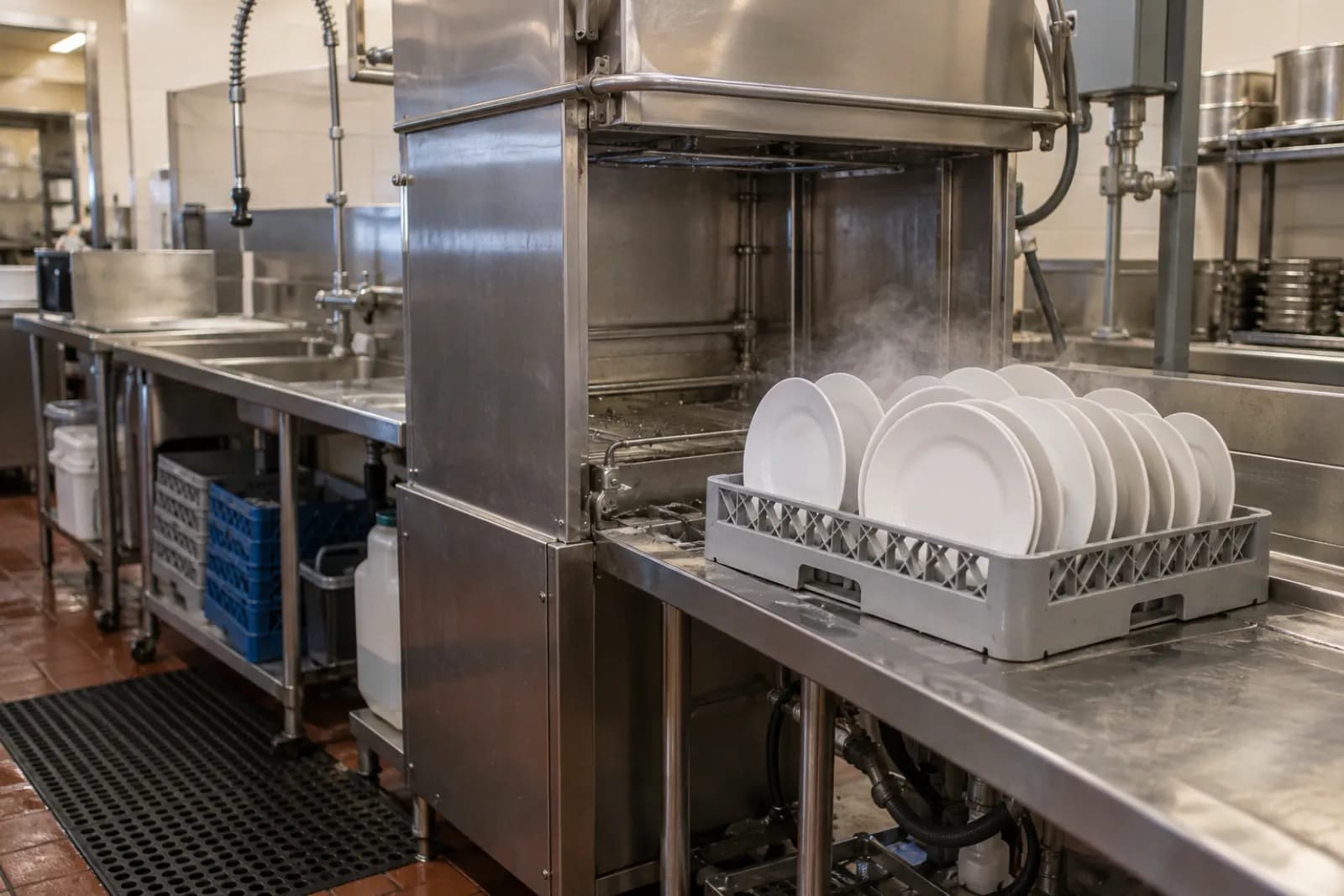
Cleaning versus sanitizing, sanitizer strength, dishwashing and three-compartment sinks.
90 questions in the pool, free