ServSafe Manager: Facilities and equipment Questions
Handwashing sinks, plumbing, backflow, ventilation, lighting and approved equipment.
68 questions in this topic. The quiz draws 20 at a time. Free, with no sign-up.
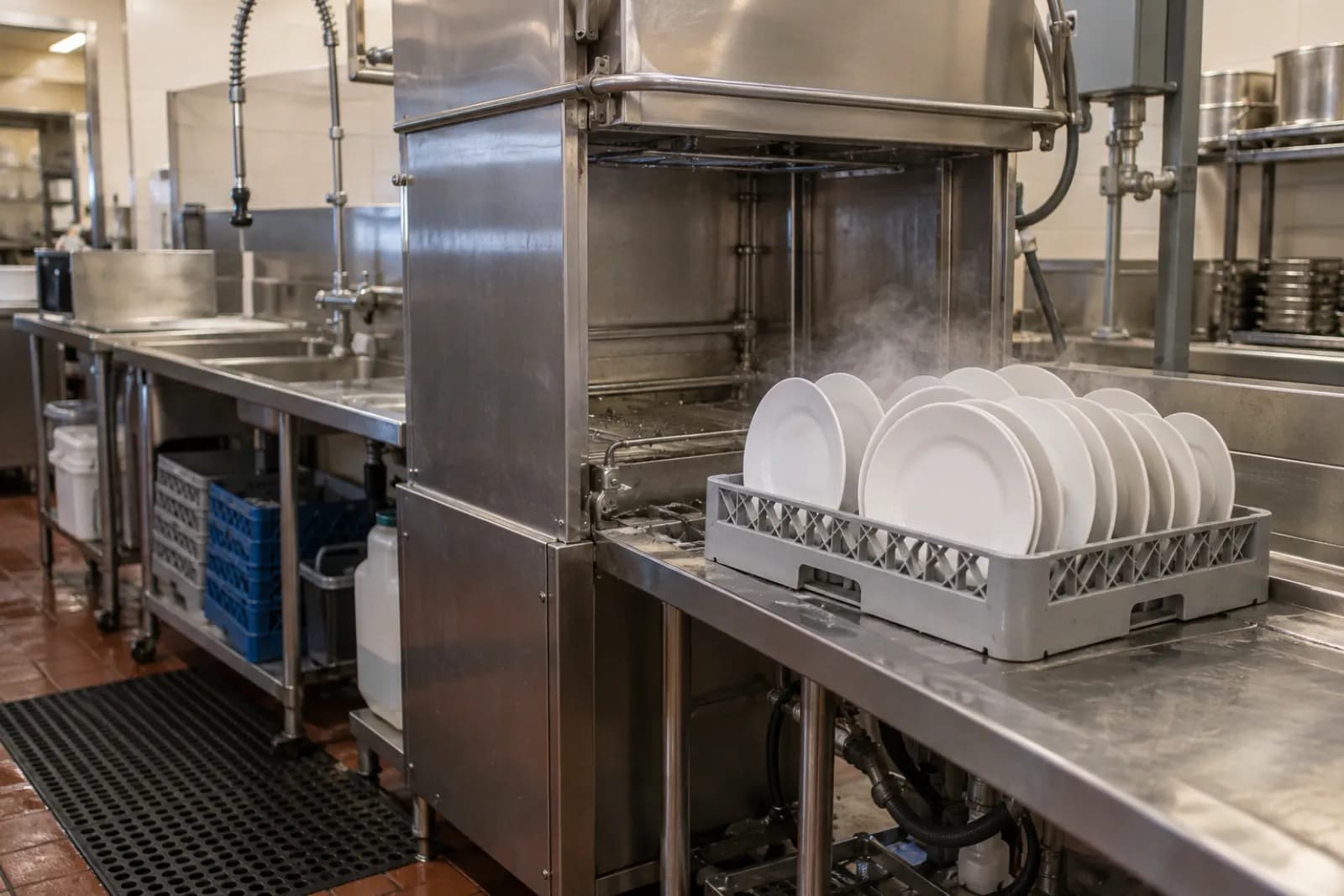
Facilities and equipment practice quiz
- 20 questions · 30 minutes · pass mark 70%
- Answers and explanations are shown at the end, with every question to review.
Key numbers
- Air gap: at least twice the inlet diameter, and never less than 1 inch
- Handwashing sink water: at least 85°F
- Self-closing faucet: runs at least 15 seconds
- Light: 50 foot-candles where food is prepared, 20 at handwashing and warewashing areas, 10 in walk-ins and dry storage
Source: FDA Food Code 2022, 5-202.12, 5-202.13, 5-205.12, 6-303.11
What is a cross connection?
A cross connection is a pipe or conduit that links the drinking water system to a nondrinking water system or to water of unknown quality. The Food Code does not allow one.
10 sample facilities and equipment questions and answers
10 of our 68 questions, with the answer and why.
1. An installer checks the mixed-water supply to a handwashing sink against the FDA model code. What minimum delivery temperature must the fixture be able to provide?
Answer: 85°F (29.4°C)
- A) 70°F (21°C)
- B) 75°F (24°C)
- C) 85°F (29.4°C) (correct answer)
- D) 80°F (27°C)
Why: The model-code fixture requirement is at least 85°F (29.4°C). 70°F (21°C) is below the minimum mixed-water supply temperature.
Source: FDA Food Code 2026, 5-202.12
2. A manager replaces disposable hand towels with a continuous towel system. Which operating condition makes that listed drying method acceptable?
Answer: Each user receives a clean towel section
- A) Each user receives a clean towel section (correct answer)
- B) Each user rewets the same exposed towel section
- C) The entire cloth is changed only when visibly stained
- D) Employees share one stationary cloth beside the sink
Why: The permitted continuous system must supply a clean towel to its user. Rewetting a shared section does not supply a clean towel.
Source: FDA Food Code 2026, 6-301.12
3. Which proposed carpet location is NOT permitted by the model-code moisture-area restrictions?
Answer: Inside the walk-in refrigerator
- A) A dry administrative office outside food operations
- B) A dry lobby away from food preparation and moisture
- C) A dry dining area with properly secured carpet
- D) Inside the walk-in refrigerator (correct answer)
Why: Carpet floor covering is prohibited inside walk-in refrigerators. The dry administrative-office choice does not describe one of the listed prohibited locations.
Source: FDA Food Code 2026, 6-201.14
4. A remodel moves the prep line and warewashing area far from the existing handwashing sink. What should the layout review prioritize?
Answer: Convenient handwashing access for the relocated work areas
- A) Keeping every sink near the front entrance regardless of work locations
- B) Providing antiseptic dispensers instead of convenient handwashing access
- C) Convenient handwashing access for the relocated work areas (correct answer)
- D) Locating the handwashing sink only where plumbing is cheapest
Why: Sink placement must allow convenient employee use in these operational areas. An entrance location alone does not establish convenient access in the work areas.
Source: FDA Food Code 2026, 5-204.11
5. A manager compares two new food-contact finishes. One readily pits under normal use. Which criterion should guide the selection before purchase?
Answer: Choose a finish resistant to pitting and the other listed forms of deterioration
- A) Select the easily pitted finish if staff will polish it daily
- B) Choose solely by how shiny the finish looks on delivery
- C) Accept either finish if only cooked food touches it
- D) Choose a finish resistant to pitting and the other listed forms of deterioration (correct answer)
Why: Normal-use resistance to pitting and related damage is required. Daily polishing does not establish resistance to deterioration.
Source: FDA Food Code 2022, 4-101.11
6. An equipment buyer finds an open seam along a reusable food-contact bowl. What should the buyer conclude?
Answer: The contact surface does not meet the requirement to be free of open seams
- A) The seam is acceptable if the bowl will hold dry ingredients only
- B) A longer sanitizer soak automatically makes the open seam acceptable
- C) The seam is acceptable if it is on the inside bottom rather than the rim
- D) The contact surface does not meet the requirement to be free of open seams (correct answer)
Why: Open seams are among the listed unacceptable food-contact surface imperfections. Dry-food use does not remove the stated contact-surface condition.
Source: FDA Food Code 2022, 4-202.11
7. A permanently installed cooler sensor is positioned beside the cold-air outlet. Which location should instead guide the refrigeration sensor's reading?
Answer: The warmest part of the mechanically refrigerated unit
- A) The coldest outlet point so the display shows the lowest possible value
- B) Any convenient point on the outside door
- C) Only the thermostat dial without an appropriate sensor location
- D) The warmest part of the mechanically refrigerated unit (correct answer)
Why: The code locates the refrigeration reading at the warmest part rather than the cold-air outlet. The coldest point does not meet the stated sensor-location principle.
Source: FDA Food Code 2022, 4-204.112
8. A thick-stem thermometer cannot accurately measure the center of a thin fish fillet. Which equipment choice addresses that specific problem?
Answer: A suitable small-diameter probe designed for thin foods
- A) A larger thick stem selected only because it is more durable
- B) A suitable small-diameter probe designed for thin foods (correct answer)
- C) Only an infrared surface reader for determining the fillet's interior temperature
- D) The same unsuitable stem with the sensing area left partly in the air
Why: The provision specifically requires a probe suited to measuring thin food masses. A larger sensing area does not solve measurement of a thin food mass.
Source: FDA Food Code 2022, 4-302.12
9. An approved temporary-water plan will use a nearby supply connection. Which source condition must be established before using the listed piping or hose option?
Answer: Connection to an adjacent approved water source, with the other water requirements met
- A) Connection to any nearby tap based only on distance
- B) Connection to an unlabeled irrigation line because the pressure is strong
- C) Connection to a temporary line without checking its source
- D) Connection to an adjacent approved water source, with the other water requirements met (correct answer)
Why: The listed connection option requires an approved source rather than merely a nearby one. Proximity does not establish approved drinking-water status.
Source: FDA Food Code 2022, 5-104.12
10. A temporary restaurant operation plans to collect and move sewage. What disposal-system requirement remains applicable?
Answer: Use an approved sanitary sewage system or other lawful compliant system
- A) Drain it onto the surrounding ground whenever the tank becomes full
- B) Use any available container solely because it does not leak today
- C) Use an approved sanitary sewage system or other lawful compliant system (correct answer)
- D) Send it through an unapproved hose to an unspecified drain
Why: The sewage-conveyance provision requires an approved or otherwise compliant system for disposal. Uncontrolled ground disposal does not establish an approved system.
Source: FDA Food Code 2022, 5-402.13
Keep practicing
Sinks, plumbing and lighting get their own quiz here. For everything else, use our ServSafe Manager exam practice page.
Ready for a full paper? Try the free 90-question ServSafe practice test.
Studying for the other exam? Try the Food Handler facilities and equipment quiz.
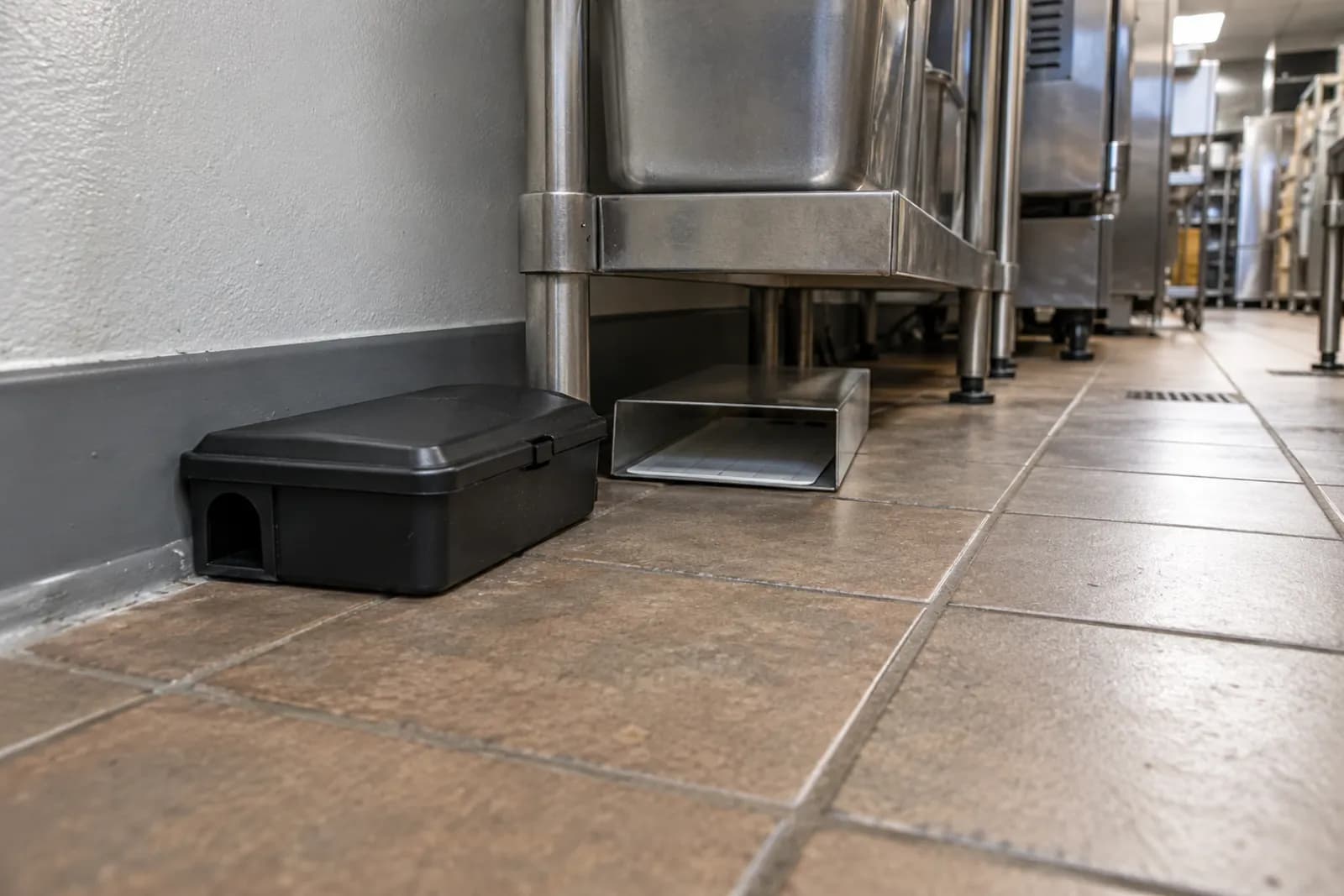
Keeping pests out, signs of an infestation, and working with a licensed operator.
27 questions in the pool, free
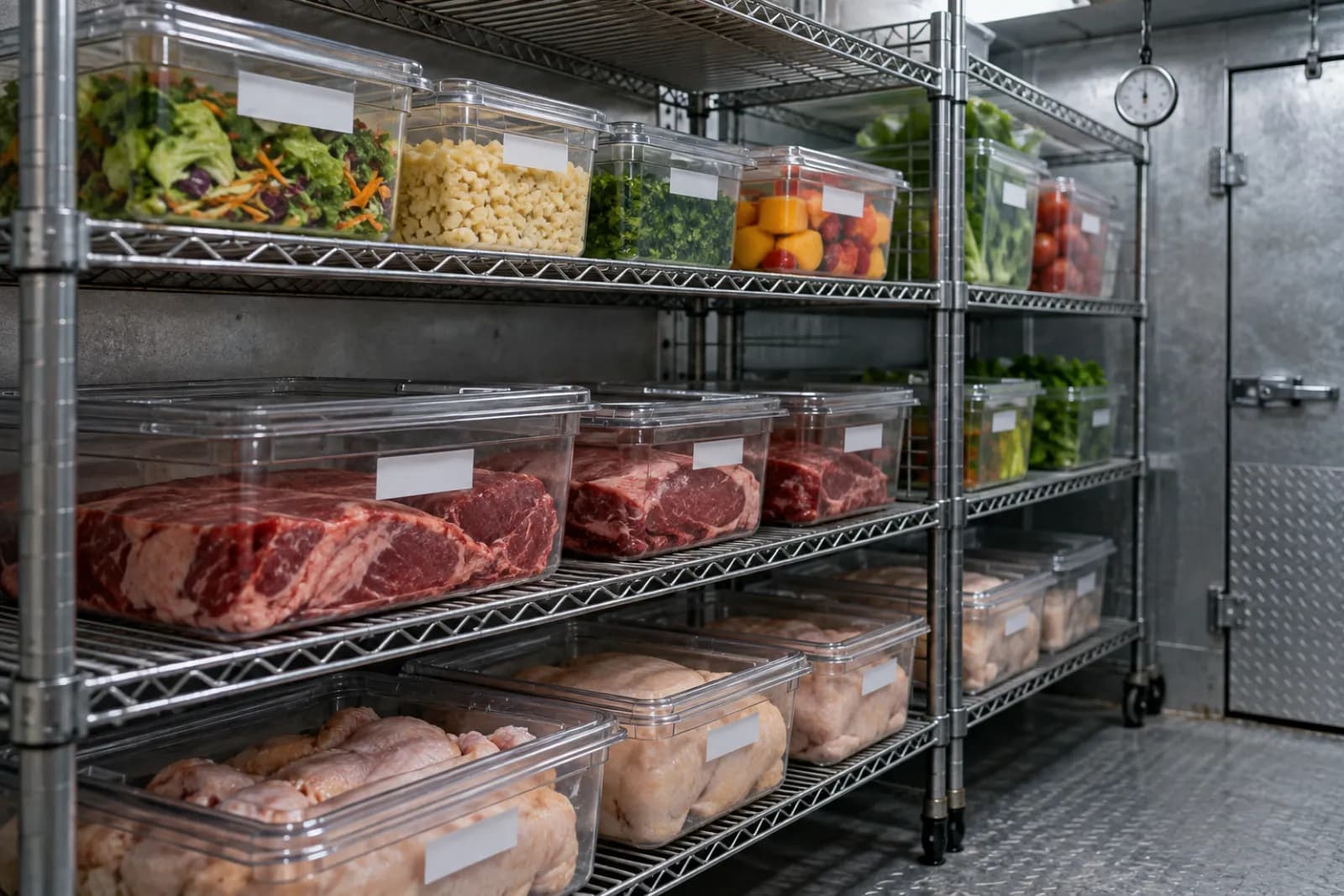
The Food Code, health inspections, priority items, imminent health hazards and reporting duties.
38 questions in the pool, free
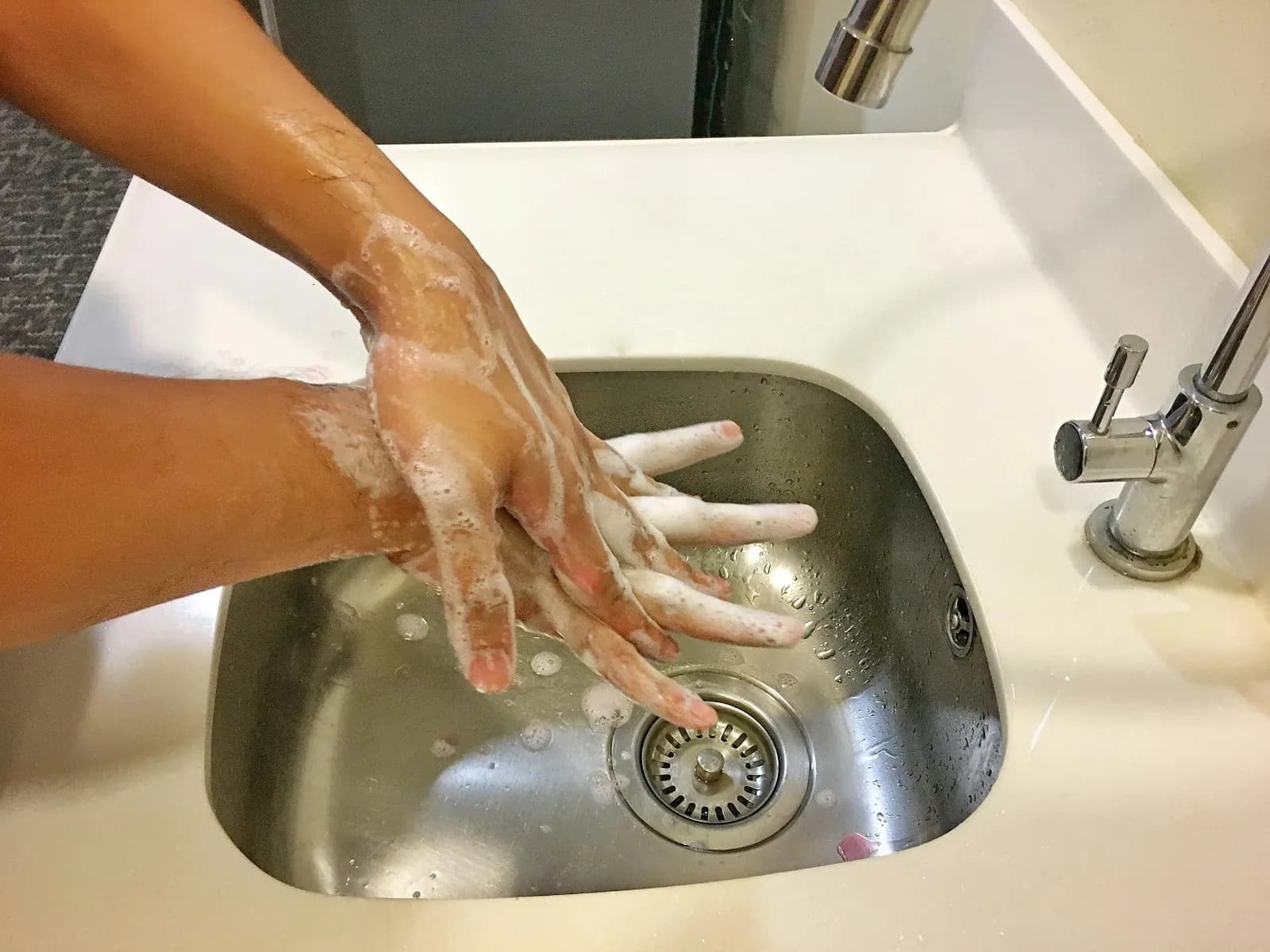
Handwashing, gloves, hair restraints, jewelry and when sick staff must stay away from food.
48 questions in the pool, free