ServSafe Manager: Purchasing and receiving Questions
Approved suppliers, checking deliveries, and when to reject a shipment.
42 questions in this topic. The quiz draws 20 at a time. Free, with no sign-up.
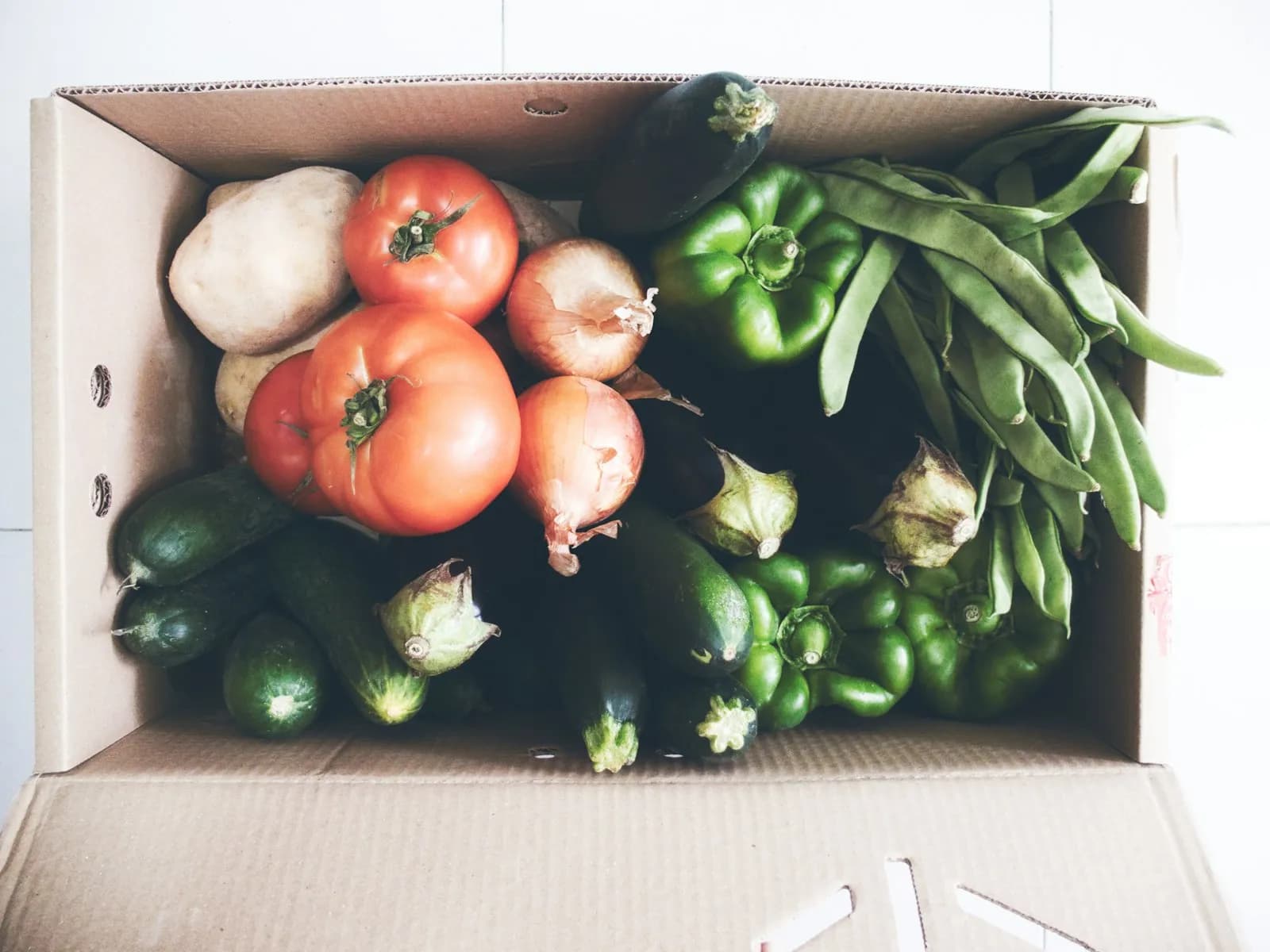
Purchasing and receiving practice quiz
- 20 questions · 30 minutes · pass mark 70%
- Answers and explanations are shown at the end, with every question to review.
Key numbers
- Cold TCS food at delivery: 41°F or below, unless another law sets a different temperature
- Hot TCS food at delivery: 135°F or above
- Raw eggs: received in refrigerated equipment at 45°F or below
- Food labeled frozen and shipped frozen: must arrive frozen
- Shellfish tags: keep for 90 calendar days
Source: FDA Food Code 2022, 3-202.11, 3-203.12
10 sample purchasing and receiving questions and answers
10 of our 42 questions, with the answer and why.
1. A buyer has a source approval checklist for a new food supplier. Which entry addresses the model code's general legal-sourcing condition?
Answer: The source must comply with food law
- A) The source must comply with food law (correct answer)
- B) The source only needs to be known personally by the chef
- C) The source only needs to deliver food below41°F (5°C)
- D) The source may be unknown if cooking follows
Why: The model code requires food from sources that comply with law. Personal familiarity does not establish compliance with applicable food-source law.
Source: FDA Food Code 2026, 3-201.11
2. An employee offers recreationally harvested clams for a dinner special. Which receiving decision fits the model code?
Answer: Do not receive them for sale or service
- A) Do not receive them for sale or service (correct answer)
- B) Accept after a visual smell check
- C) Accept if the employee also supplies ice
- D) Accept if the menu calls them local
Why: Recreationally caught molluscan shellfish are specifically prohibited for this use. Smell does not resolve the prohibited recreational source.
Source: FDA Food Code 2026, 3-201.14
3. Which wildlife category is prohibited for receipt for restaurant sale under the game-animal provision?
Answer: Species listed as endangered or threatened under the cited federal rule
- A) Species listed as endangered or threatened under the cited federal rule (correct answer)
- B) All commercially raised inspected game without exception
- C) All game inspected under a permitted voluntary program
- D) All lawful game solely because it is not beef
Why: The code expressly excludes this wildlife category. The code allows specified inspected commercial game.
Source: FDA Food Code 2026, 3-201.17
4. An approved supplier delivers cooked TCS food intended to arrive hot. Which receiving minimum applies?
Answer: 135°F (57°C)
- A) 135°F (57°C) (correct answer)
- B) 125°F (52°C)
- C) 110°F (43°C)
- D) Any temperature if the insulated box is closed
Why: Hot-received cooked TCS food must meet this minimum. 125°F is below the hot-receiving minimum.
Source: FDA Food Code 2026, 3-202.11
5. A bakery orders liquid egg product rather than shell eggs. Which processing condition is required for the egg product?
Answer: Pasteurized
- A) Pasteurized (correct answer)
- B) Merely chilled without pasteurization
- C) Only filtered to remove visible shell particles
- D) Only frozen before delivery
Why: The model code requires egg products to be obtained pasteurized. Chilling does not replace the egg-product pasteurization requirement.
Source: FDA Food Code 2026, 3-202.14
6. At receipt, staff find dead shellstock with badly broken shells. What disposition does the code specify?
Answer: Discard those shellstock
- A) Rinse and mix them with live shellstock
- B) Discard those shellstock (correct answer)
- C) Keep them because later cooking is planned
- D) Keep only the meat after removing the broken shells
Why: The provision explicitly requires discard of this condition. Rinsing does not correct the specified discard condition.
Source: FDA Food Code 2026, 3-202.17
7. Recalled jars are held for distributor credit. Where should the manager keep them while awaiting pickup?
Answer: In a designated segregated holding area separated from usable food and protected items
- A) Mixed into normal stock with a verbal reminder to the morning shift
- B) Above clean utensils as long as the jars are unopened
- C) In a designated segregated holding area separated from usable food and protected items (correct answer)
- D) Back in their normal picking location until the credit is approved
Why: Products held for return or credit must be segregated from usable food and the other listed items. A verbal reminder does not provide the required segregation.
Source: FDA Food Code 2022, 6-404.11
8. A restaurant will serve raw fish that requires parasite destruction, but the supplier performs the freezing. Before relying on that supplier treatment instead of in-house freezing logs, what should the manager obtain?
Answer: A written supplier agreement or statement specifying compliant freezing time and temperature
- A) Only a receipt stating that the fish was cold at delivery
- B) Only a verbal assurance that the product is intended for raw service
- C) Only the date the restaurant plans to serve the fish
- D) A written supplier agreement or statement specifying compliant freezing time and temperature (correct answer)
Why: A written supplier agreement or statement specifying the required freezing treatment may substitute for in-house freezing records. A cold delivery reading does not establish that the parasite-destruction treatment occurred.
Source: FDA Food Code 2022, 3-402.12
9. A fluid-milk delivery is documented as pasteurized, but the buyer has not established the required milk-source qualification. What additional sourcing criterion does the model code name?
Answer: The source complies with Grade A standards as specified in law
- A) The source complies with Grade A standards as specified in law (correct answer)
- B) A pasteurized label automatically cancels the Grade A source condition
- C) An intact shipping carton replaces evidence about the milk source
- D) Normal appearance and odor replace the legal source qualification
Why: Fluid milk must come from a source complying with Grade A standards as specified in law. Documenting pasteurization alone does not establish that separate sourcing condition.
Source: FDA Food Code 2022, 3-201.13
10. When a delivery truck is opened, cases of raw chicken are stacked on open boxes of lettuce, and chicken juice has dripped onto the lettuce. What should the receiver do with the lettuce?
Answer: Reject the lettuce that the raw chicken juice contaminated
- A) Accept it, because the lettuce will be washed before use
- B) Reject the lettuce that the raw chicken juice contaminated (correct answer)
- C) Accept it if the chicken passes its temperature check
- D) Accept it and store it below the chicken in the walk-in
Why: Raw animal food must be separated from fruits and vegetables, and FDA receiving guidance includes examining the truck and products for cross-contamination. Produce dripped on by raw chicken should not be accepted, regardless of a later wash or the chicken temperature.
Source: FDA Food Code 2022, Annex 5, Assessing Safe Sources and Receiving Temperatures
Keep practicing
After receiving come storage and prep. Find them on the ServSafe Manager practice exam page.
Ready for a full paper? Try the free 90-question ServSafe practice test.
Studying for the other exam? Try the Food Handler purchasing and receiving quiz.
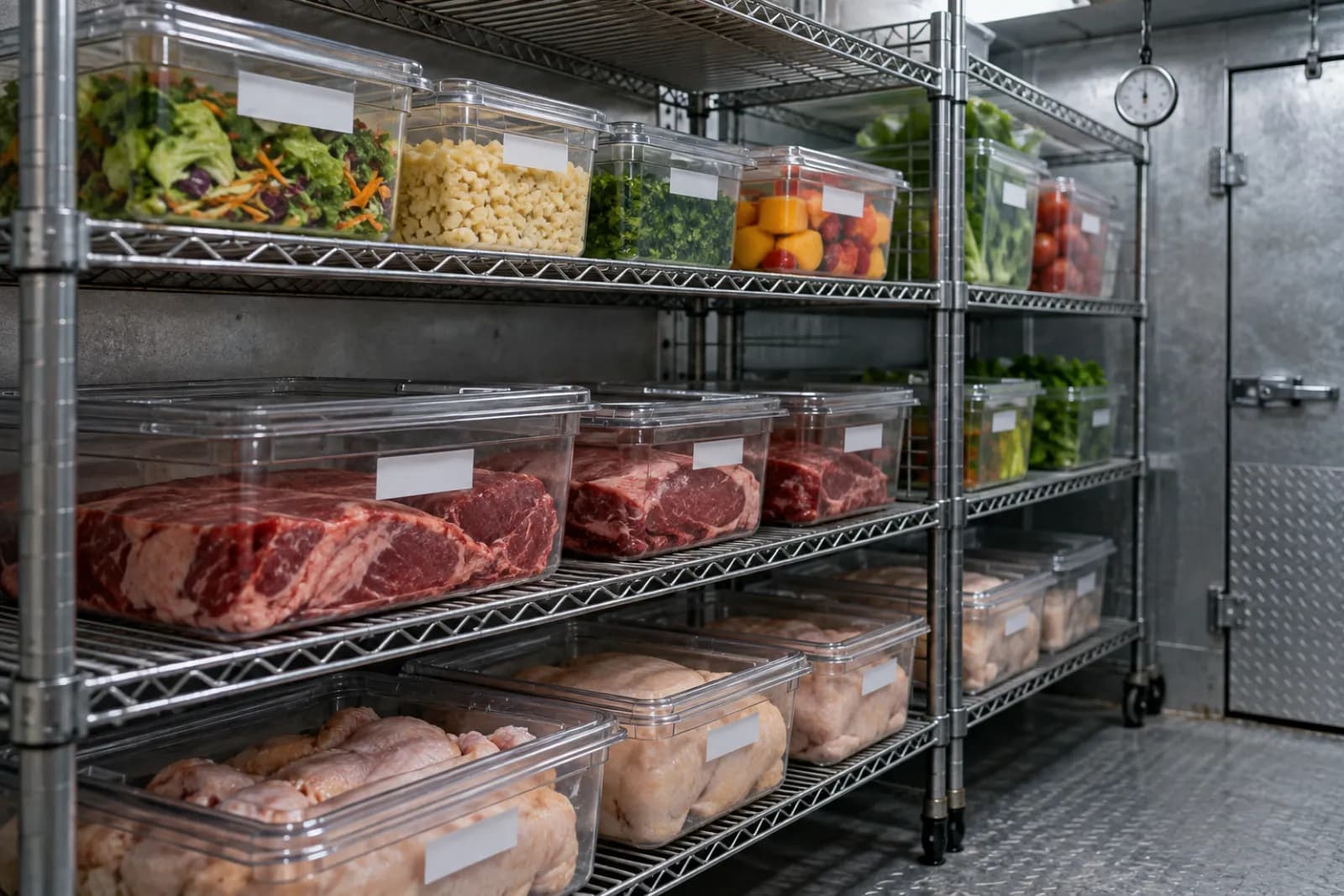
Shelf order, labels, date marking, first in first out and refrigerator and freezer temperatures.
41 questions in the pool, free
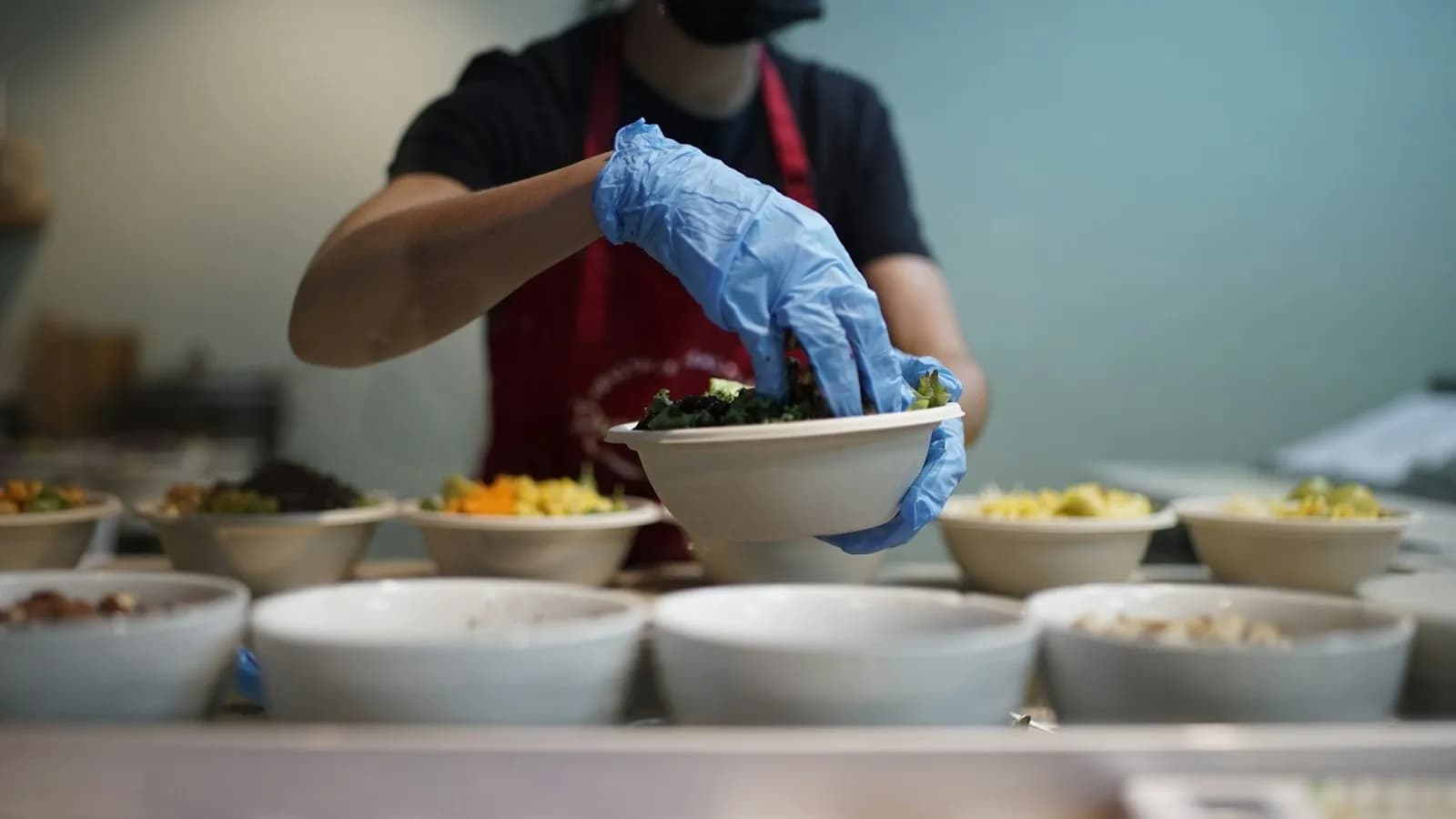
Thawing, washing produce, handling raw food and the steps that need a variance.
44 questions in the pool, free
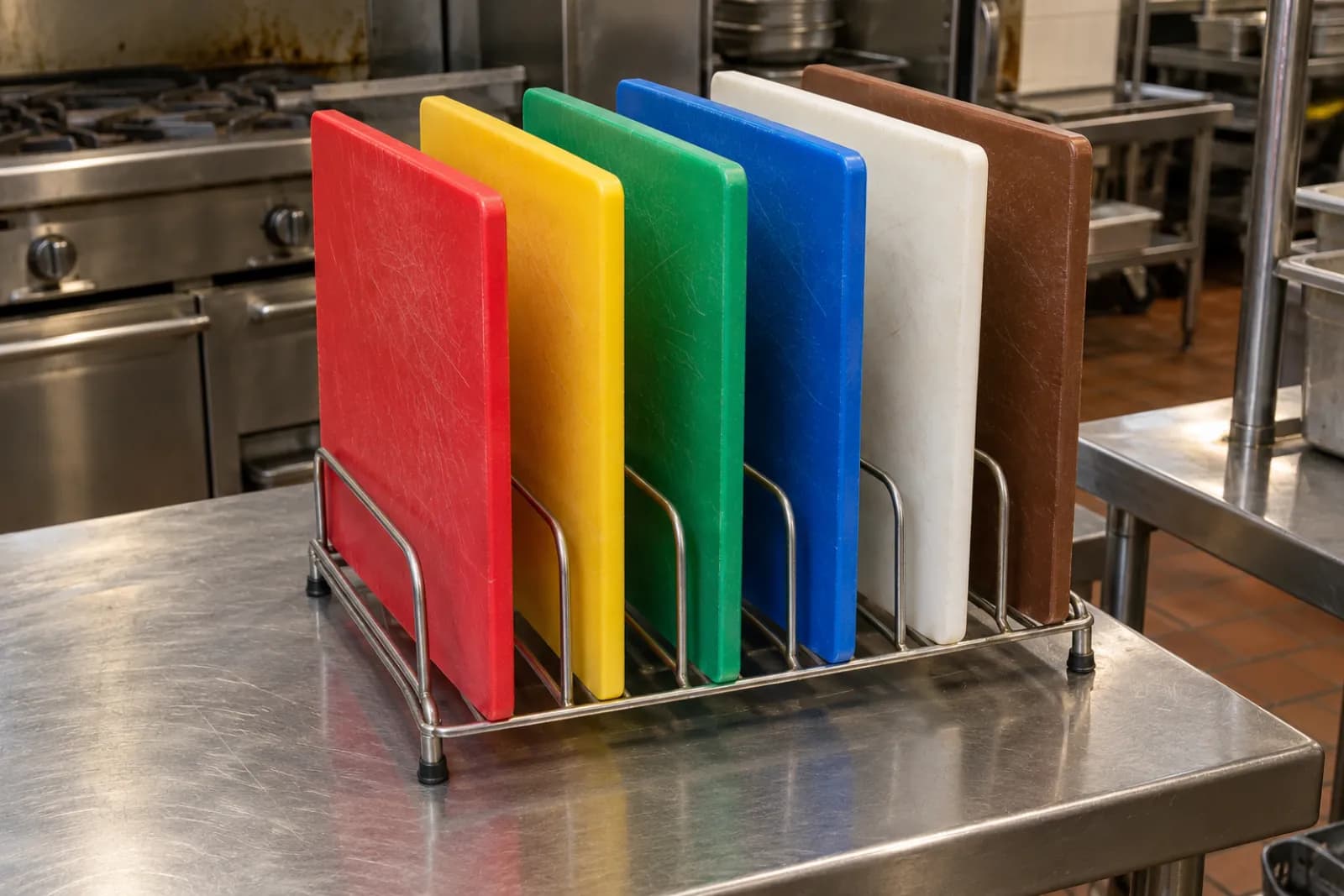
Biological, chemical and physical hazards, and how to keep raw foods and allergens apart from ready-to-eat food.
50 questions in the pool, free