ServSafe Manager: Food storage Questions
Shelf order, labels, date marking, first in first out and refrigerator and freezer temperatures.
41 questions in this topic. The quiz draws 20 at a time. Free, with no sign-up.
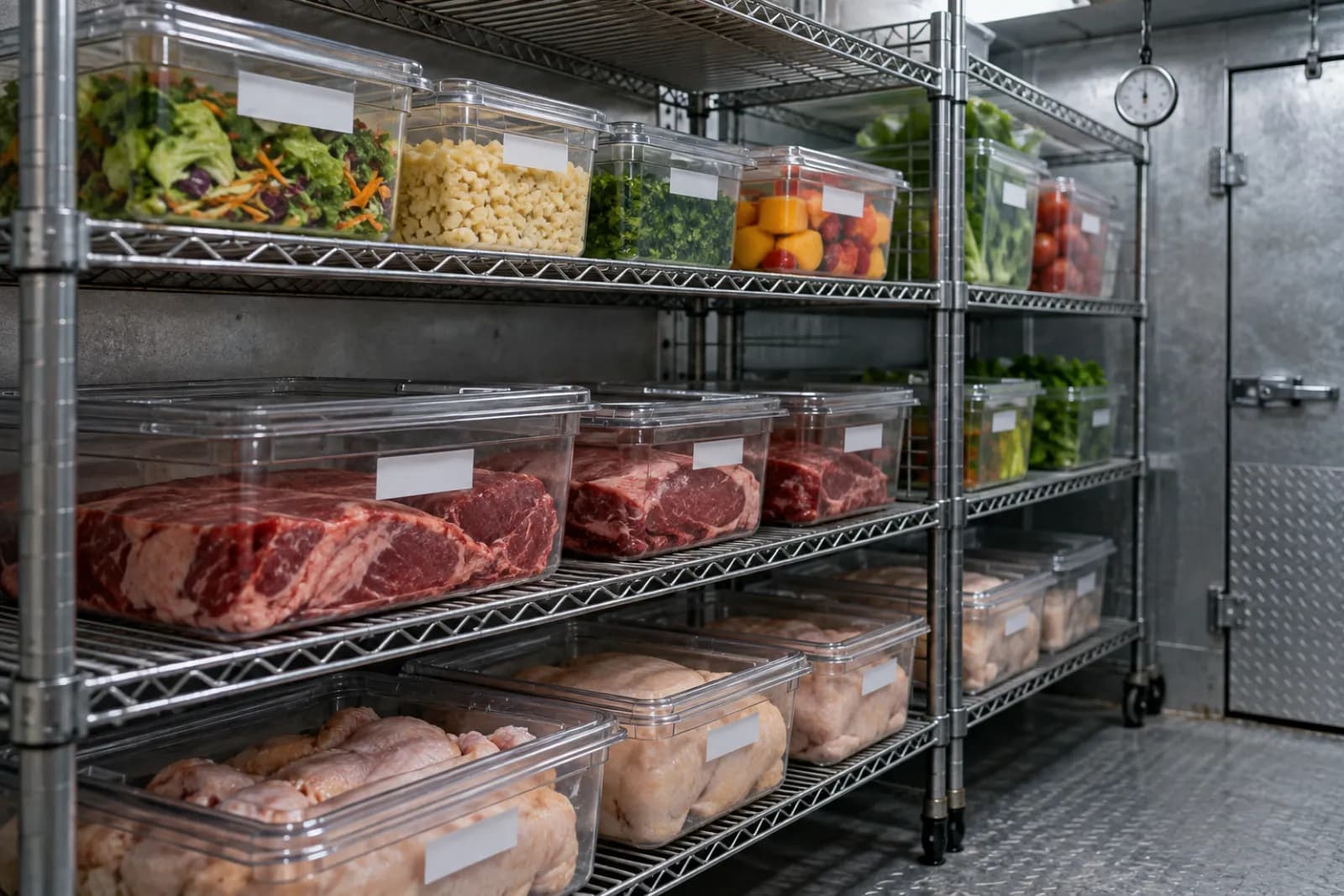
Food storage practice quiz
- 20 questions · 30 minutes · pass mark 70%
- Answers and explanations are shown at the end, with every question to review.
Key numbers
- Food storage height: at least 6 inches above the floor
- Date mark ready-to-eat TCS food held longer than 24 hours
- Date-marked food at 41°F or below: 7 days at most, and the day you make it is Day 1
- Working containers: label with the common name of the food
Source: FDA Food Code 2022, 3-305.11, 3-501.17, 3-302.12, Annex 4
What does FIFO mean for food?
FIFO means first in, first out: food that comes in first gets used first. The Food Code lists FIFO as a prerequisite program and says it protects food quality, so it is usually not a critical control point.
10 sample food storage questions and answers
10 of our 41 questions, with the answer and why.
1. For ordinary food storage without a listed exception, what minimum floor clearance is required?
Answer: 6 inches
- A) 1 inch
- B) 6 inches (correct answer)
- C) 2 inches
- D) No clearance if the carton is dry
Why: The general storage provision requires at least six inches above the floor. One inch is below the general clearance.
Source: FDA Food Code 2026, 3-305.11
2. A storage rack is directly under an unshielded sewer line. Which change addresses the specific storage prohibition?
Answer: Relocate the food or provide the required effective drip shielding
- A) Keep the location if every outer carton has a lid
- B) Relocate the food or provide the required effective drip shielding (correct answer)
- C) Add more food cartons above the original cartons as the only barrier
- D) Use the location only during quiet hours
Why: The code prohibits food beneath sewer lines lacking protective shielding. Carton lids do not replace the required shielding against sewer-line drips.
Source: FDA Food Code 2026, 3-305.12
3. A package of refrigerated ready-to-eat TCS deli meat is opened Monday and held beyond 24 hours. Under the applicable date-marking rule, which day is Day 1?
Answer: Monday
- A) Tuesday
- B) Monday (correct answer)
- C) The day the first sandwich is sold
- D) The next delivery day
Why: Opening day is Day 1 for this commercially packaged product. Starting Tuesday would add an extra day.
Source: FDA Food Code 2026, 3-501.17
4. A prepared refrigerated ready-to-eat TCS item requires a date mark but has none. What disposition is specified for that condition?
Answer: Discard the food
- A) Estimate a new seven-day period from today
- B) Discard the food (correct answer)
- C) Mix it into a newly dated batch
- D) Keep it if the odour is acceptable
Why: The disposition provision requires discard of required-date food lacking a date or day. An estimate does not restore the missing required history.
Source: FDA Food Code 2026, 3-501.18
5. A shellfish container becomes empty during dinner service. What batch record should staff make next?
Answer: Record the last sale or service date on the tag, label or invoice
- A) Record only the date the empty box is recycled
- B) Record the last sale or service date on the tag, label or invoice (correct answer)
- C) Replace the old harvest date with today's date
- D) Discard all identifying paperwork immediately
Why: That date establishes the required retention reference point. Recycling time is not necessarily the last sale or service date.
Source: FDA Food Code 2026, 3-203.12
6. An inspected processing plant makes and packages cultured yogurt. Which statement correctly applies the listed opened-commercial-product date-marking exception?
Answer: Qualifying cultured yogurt is within that specific exception
- A) Every restaurant-made yogurt-based mixed dish automatically has the same exception
- B) The exception proves refrigeration is unnecessary
- C) The exception allows concealment of a safety-based manufacturer date
- D) Qualifying cultured yogurt is within that specific exception (correct answer)
Why: The provision lists cultured dairy products such as yogurt among qualifying commercial-product exceptions. The stated exception does not automatically cover every dish made with yogurt.
Source: FDA Food Code 2022, 3-501.17
7. Assuming all other required controls are met, a cook wants to hold raw carrot sticks and tofu in water or ice. How does the direct-immersion rule apply to those unpackaged foods?
Answer: They are within the expressly listed immersion exception
- A) They are within the expressly listed immersion exception (correct answer)
- B) They must be treated as prohibited solely because they are unpackaged
- C) Only whole uncut vegetables can qualify for immersion
- D) The exception permits every cooked food to be immersed in the same way
Why: Cut raw vegetables such as carrot sticks and tofu are expressly listed immersion exceptions. The exception is broader than whole produce but does not include every cooked food.
Source: FDA Food Code 2022, 3-303.12
8. A cook-chill product properly used the 34°F (1°C) route and has only five days left before its 30-day packaging limit. It is now moved to 41°F (5°C) holding under the permitted transfer branch. Which remaining period governs?
Answer: No more than the five remaining days, because both the transfer limit and packaging ceiling still apply
- A) A new full seven days even though that would exceed 30 days from packaging
- B) A new 30-day period because the product was previously held at 34°F (1°C)
- C) No more than the five remaining days, because both the transfer limit and packaging ceiling still apply (correct answer)
- D) Unlimited 41°F (5°C) storage while the original electronic record is retained
Why: The transferred product must satisfy both the seven-day limit at 41°F (5°C) and the 30-day packaging ceiling. With only five days left on the packaging clock, a new full seven days would exceed the allowed period.
Source: FDA Food Code 2022, 3-502.12
9. A freezer uses the exception allowing frozen, commercially processed, packaged raw animal food above the same specified category of ready-to-eat food. Staff remove the raw food from its packaging and leave it uncovered in a tray above frozen cooked food. Which assessment is correct?
Answer: The narrow packaged-food exception no longer establishes permission for that raw-food arrangement
- A) The exception remains established solely because both foods are still frozen
- B) The exception remains established solely because the ready-to-eat food is still packaged
- C) The narrow packaged-food exception no longer establishes permission for that raw-food arrangement (correct answer)
- D) The exception permits the same arrangement after thawing if the freezer shelf is clean
Why: The raw food has lost the packaged condition needed for this narrow storage exception. Frozen status or protection of only the ready-to-eat product does not establish all of the exception's conditions.
Source: FDA Food Code 2022, 3-302.11(A)(1)(d)
10. A sushi bar stores tuna it will serve raw on a shelf directly below raw ground beef. A cook says this is fine because both are raw animal foods. What is the problem?
Answer: Fish served raw is ready-to-eat food and must be protected from the raw beef
- A) Fish served raw is ready-to-eat food and must be protected from the raw beef (correct answer)
- B) There is no problem, because raw foods may be stored together
- C) The tuna must be cooked before it is stored near beef
- D) Only the beef's use-by date needs checking
Why: The code treats raw animal food served raw, such as fish for sushi, as ready-to-eat food. It must be separated from other raw animal foods such as ground beef.
Source: FDA Food Code 2022, 3-302.11(A)(1)(a)
Keep practicing
Need more than shelves and date marks? Our ServSafe Manager test questions cover all 15 topics.
Ready for a full paper? Try the free 90-question ServSafe practice test.
Studying for the other exam? Try the Food Handler food storage quiz.
Thawing, washing produce, handling raw food and the steps that need a variance.
44 questions in the pool, free
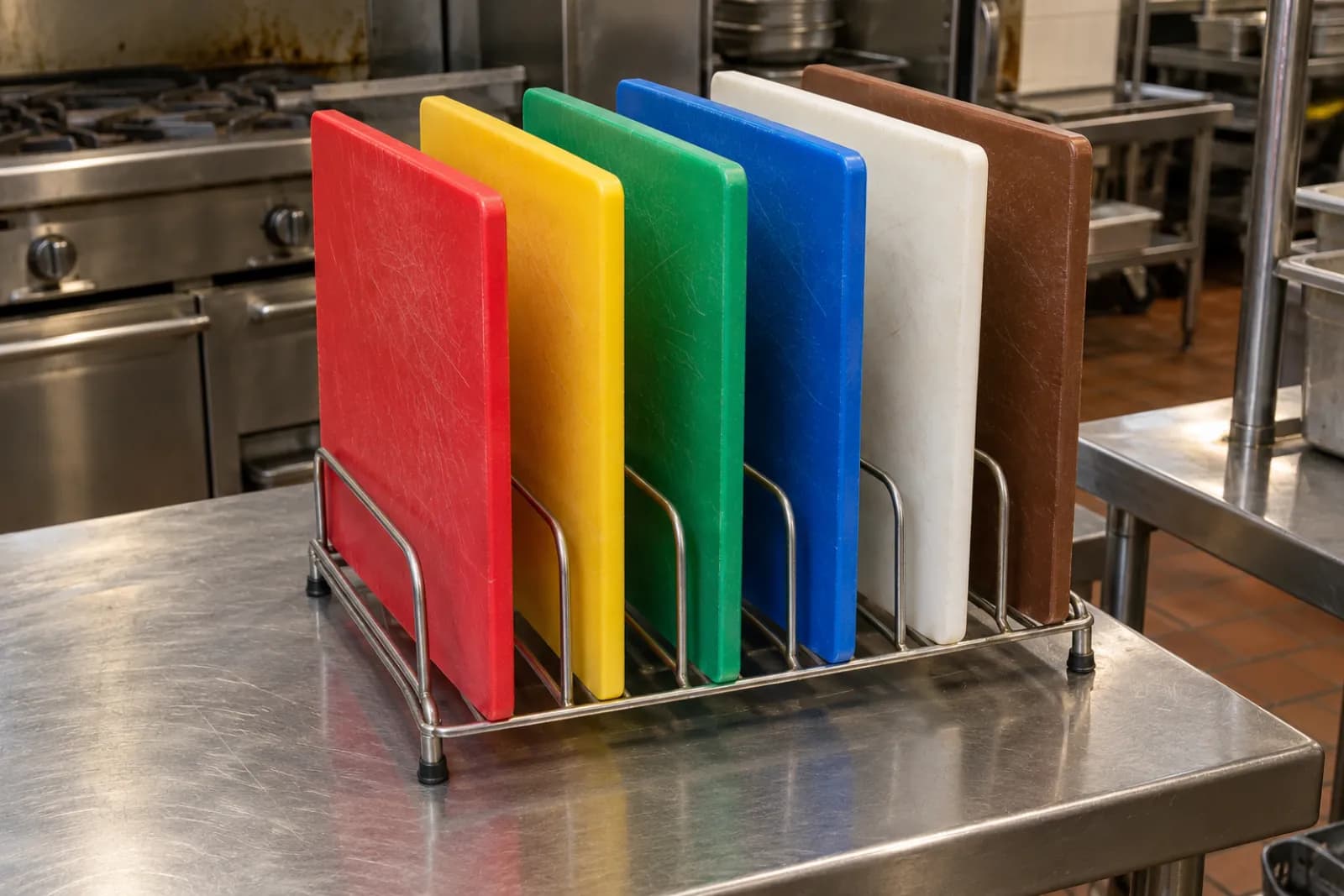
Biological, chemical and physical hazards, and how to keep raw foods and allergens apart from ready-to-eat food.
50 questions in the pool, free
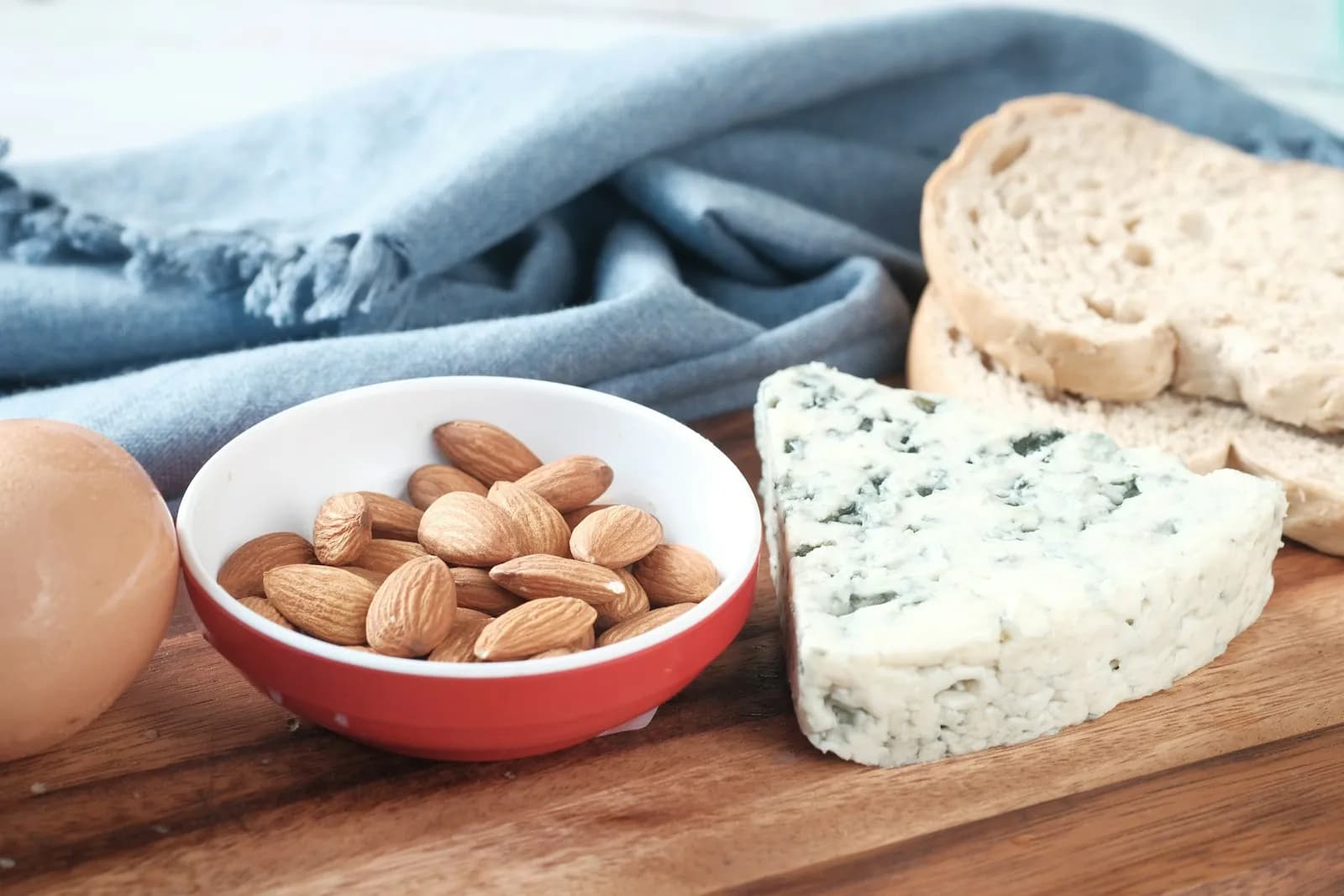
The nine major US allergens, label reading, cross-contact and talking with guests about their allergies.
29 questions in the pool, free